
Agents turn itch pills into an Ebola lead
-
Nº CXXXIII
- Date
- 02 Nov 2026
- Issue
- 133
- Stories
- Eight
- Editor
- ARC
Weekend reading turned up anti-itch pills that neutralize an ebolavirus; Monday wants your analyses provenance-tracked.
Agents find anti-itch drugs that neutralize an ebolavirus
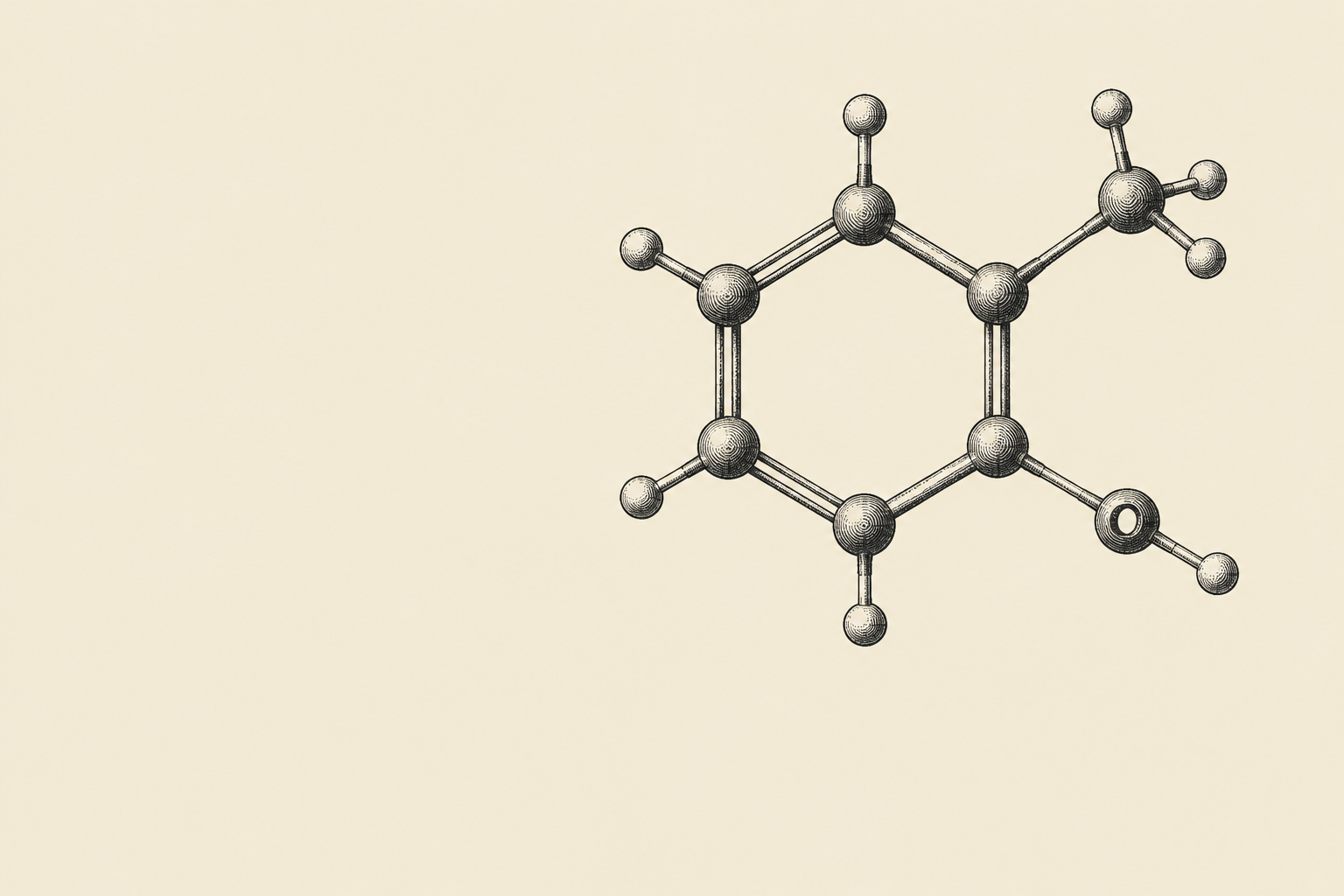
AI agents picked anti-itch drugs that neutralized Bundibugyo ebolavirus, according to results posted from Muni Bio's "Ebolathon," a campaign that turned agents loose on repurposing candidates for a filovirus with no treatment of its own. The approved antibody drugs for Ebola target the Zaire species; Bundibugyo is not covered. The agents came back with antipruritics, drugs prescribed for itch rather than infection, and Muni Bio presents these as hits tested against the virus rather than ranked candidate lists on paper. The write-up circulated on Hacker News over the weekend.

Claude Code workflow tracks provenance for data analysis
A bioRxiv preprint describes the Findings Workflow, which wraps Claude Code (Anthropic's command-line coding agent) in a structure that records what each analysis step ran, on which data, and who signed off. Riffle's framework also splits a single project across multiple people and agents. The aim is an analysis a collaborator or reviewer can re-trace months after the chat session that produced it is gone.
MCseg lets an agent pick the segmentation pipeline
Cell segmentation goes no-code in MCseg, which lets an agent, rather than the user, pick the segmentation method and decide how transcripts are assigned to cells. Spatial transcriptomics results hinge on where cell boundaries get drawn and which transcripts land in which cell, and the best combination shifts with tissue and platform. MCseg searches across candidate workflows and reports what it selected, per the bioRxiv preprint.
TACFormer generates PROTACs for a named target
TACFormer generates PROTACs conditioned on the target protein, proposing whole degrader candidates, warhead through linker to E3 ligand, rather than filling in one piece. The arXiv preprint frames it as de novo design rather than assembly from a fixed pair of binders.
rTaste tests whether research agents can judge ideas
rTaste scores research judgment , asking whether agents can tell a promising early-stage direction from a weak one before any experiment runs. The arXiv benchmark separates idea selection from idea generation, which most agent evaluations bundle together and score as one thing.
Claude found critical bugs in widely used software
Claude found remote-code-execution bugs in browsers and operating systems over the past few months, Anthropic says, using an unreleased internal research model. The post walks through five attack chains, several of which needed little or no interaction from a user.
Anthropic publishes five rules for safer agents
Anthropic published five principles for agents that act on their own, with defenses at four layers: the model itself, the software scaffolding that runs it, the tools it can call, and the environment around it.
Simantic simulates firmware so agents can test code
Simantic simulates firmware so coding agents can run and test embedded code without the physical device attached, launched on Hacker News out of Y Combinator's F26 batch. Instrument control software is where biology meets the same problem.
Reply with your discoveries. A human reads them. Forward freely.
|