
An AI company does its own structural biology
-
Nº CXXXVI
- Date
- 05 Nov 2026
- Issue
- 136
- Stories
- Five
- Editor
- ARC
One AI company publishes a structure while two new benchmarks ask whether agents can do science at all.
Anthropic reports first 3D structure of prokaryotic vault
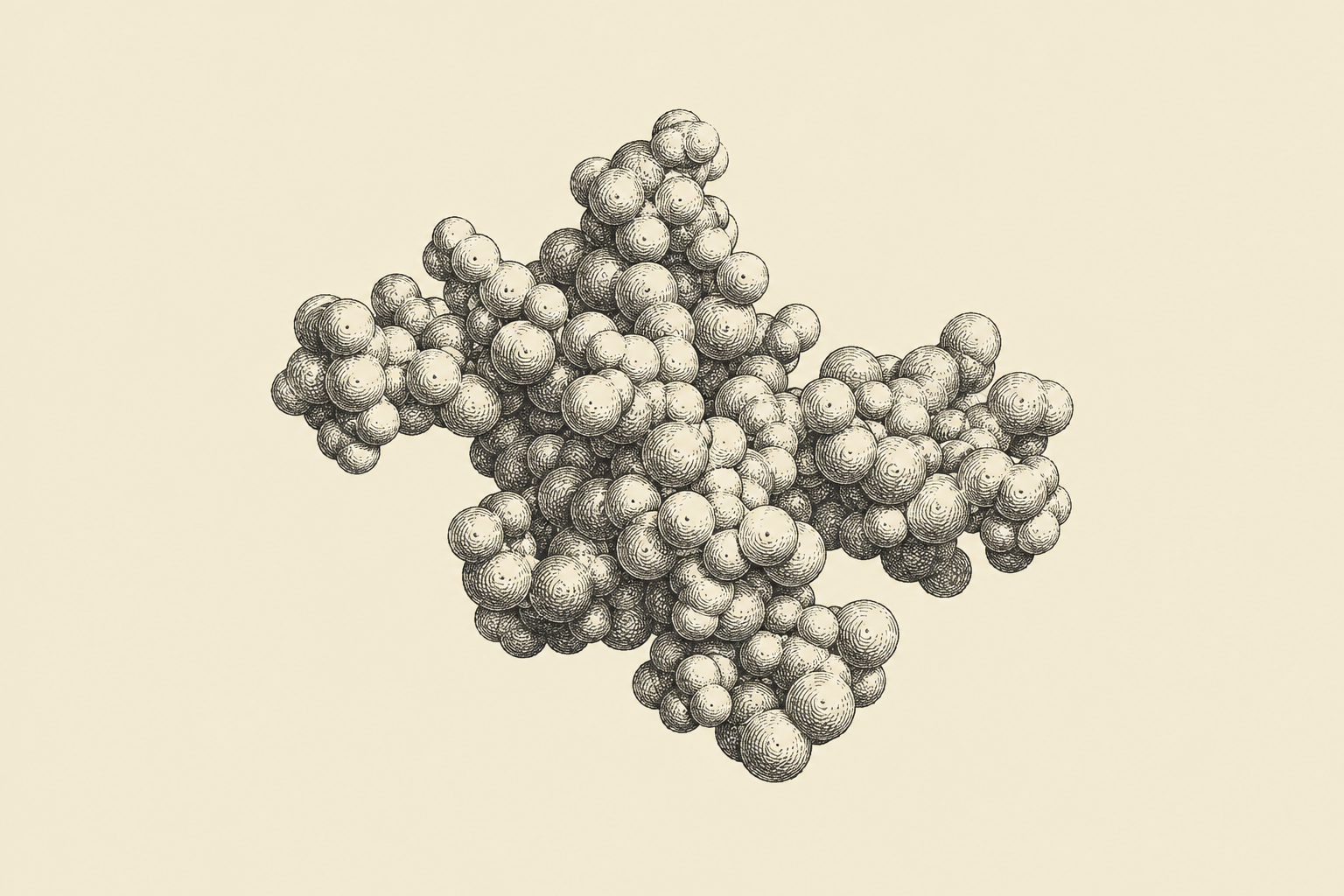
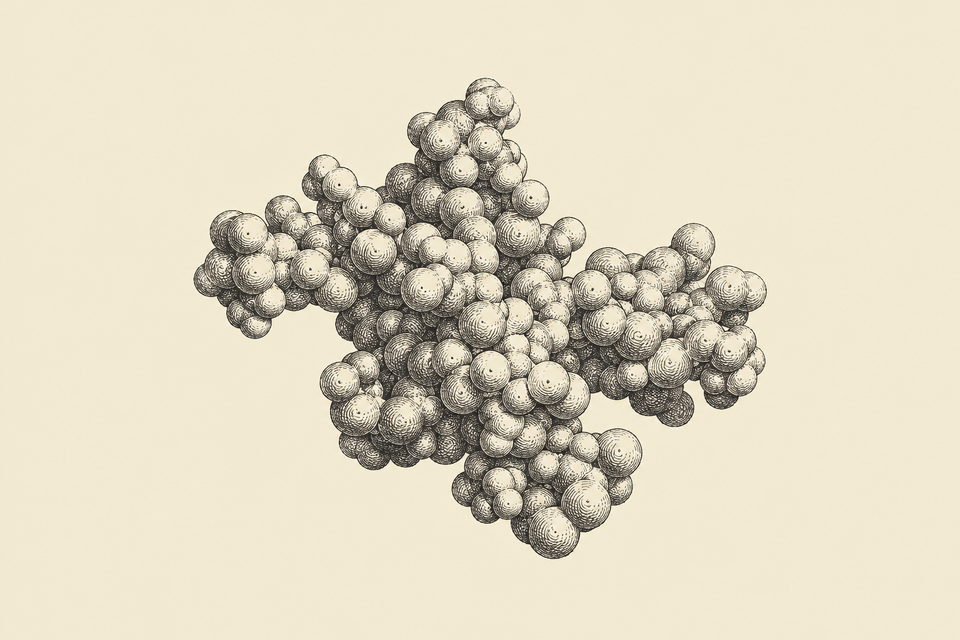
Anthropic's biology research lab reported what it describes as the first 3D structure of a vault particle found in prokaryotic cells. Anthropic, which builds the Claude family of AI models, presents the result as another finding from that in-house lab. The post's title, "Investigating vault particles with Claude," puts the company's own model at the center of the work. If the structure holds, researchers studying prokaryotic vaults now have a first 3D model to test ideas about function against. In the full post, look for how the work was split between Claude and the lab's human researchers.

BEAKER tests the AI that runs robotic chemistry labs
Self-driving chemistry labs get a benchmark of their own in BEAKER, described in a new arXiv paper. A benchmark is a shared test for comparing AI models. Self-driving labs pair robotic hardware with software that plans and runs experiments with little human input. BEAKER scores what its authors call the embodied brain, meaning the AI model that decides what the robot does rather than the robot itself. Domain experts curated the test, so rival models for lab automation can be scored against one expert-built standard.
PaleoRigor keeps an evidence trail for ancient microbiomes
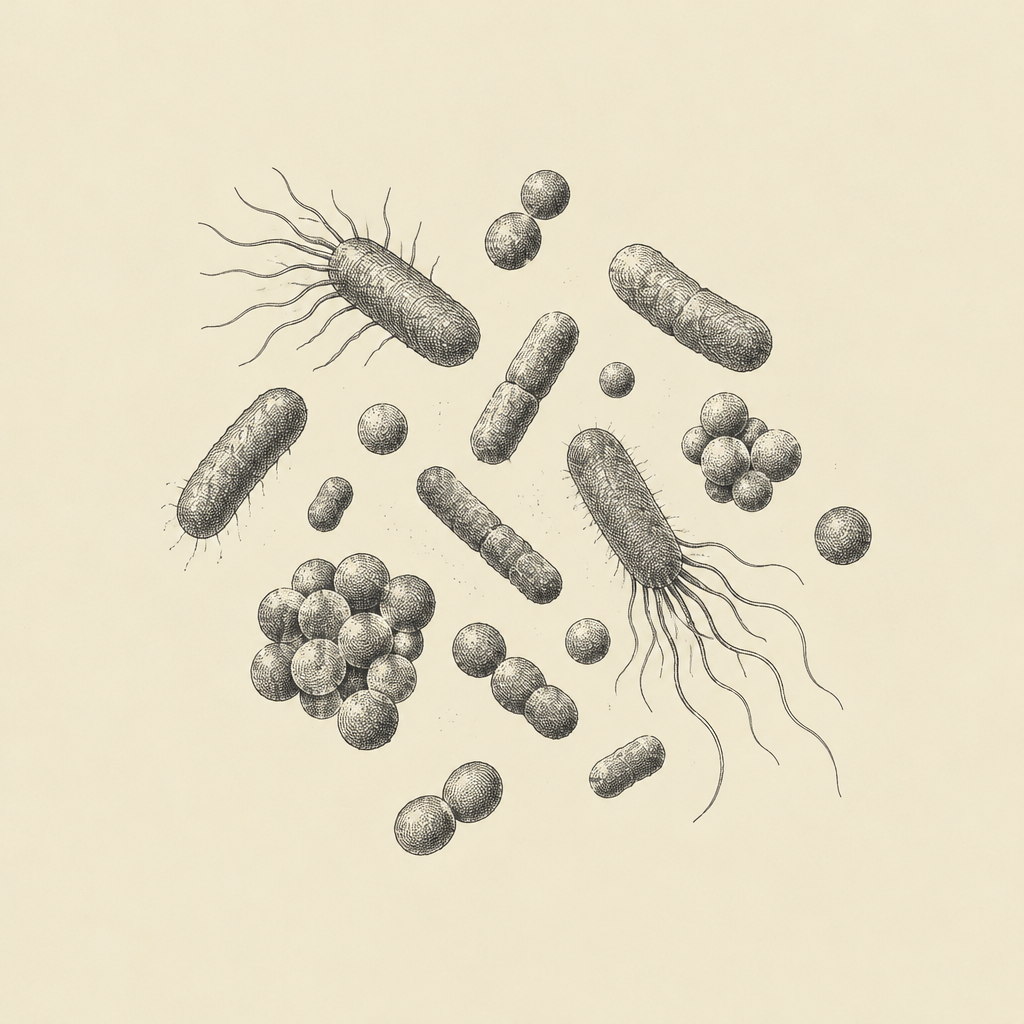
A research agent for ancient microbiomes records its work as a reproducible evidence trail, according to a new bioRxiv preprint. PaleoRigor is an agent (software that carries out multi-step work on its own) built to process paleomicrobiome data. Its authors call it bounded, meaning it operates within defined limits. The trail is the point. Processing ancient microbial DNA involves many judgment calls, and a record another group can rerun makes an agent's choices checkable instead of taken on trust.
XAMPGen pipeline finds new antimicrobial peptides
XAMPGen proposes new antimicrobial peptides using a computational pipeline designed to be interpretable, so researchers can see why a candidate was suggested. The bioRxiv preprint aims to discover novel AMPs.
FrontierPhysics tests AI agents on full physics research
Physics gets its own agent test in FrontierPhysics, an arXiv benchmark that evaluates AI agents on physics research from start to finish. Like the chemistry-lab benchmark above, it grades agents on doing science, here in a different field.
Reply with your discoveries. A human reads them. Forward freely.
|