6 min read

Autonomous agents come for target-to-lead
Autonomous agents come for target-to-lead
Nº 01 · The Lede X Computational biology

BIOS ships hour-long target-to-lead

BIOS ships hour-long target-to-lead
Fig. IX · Filed 02 Jul 2026.

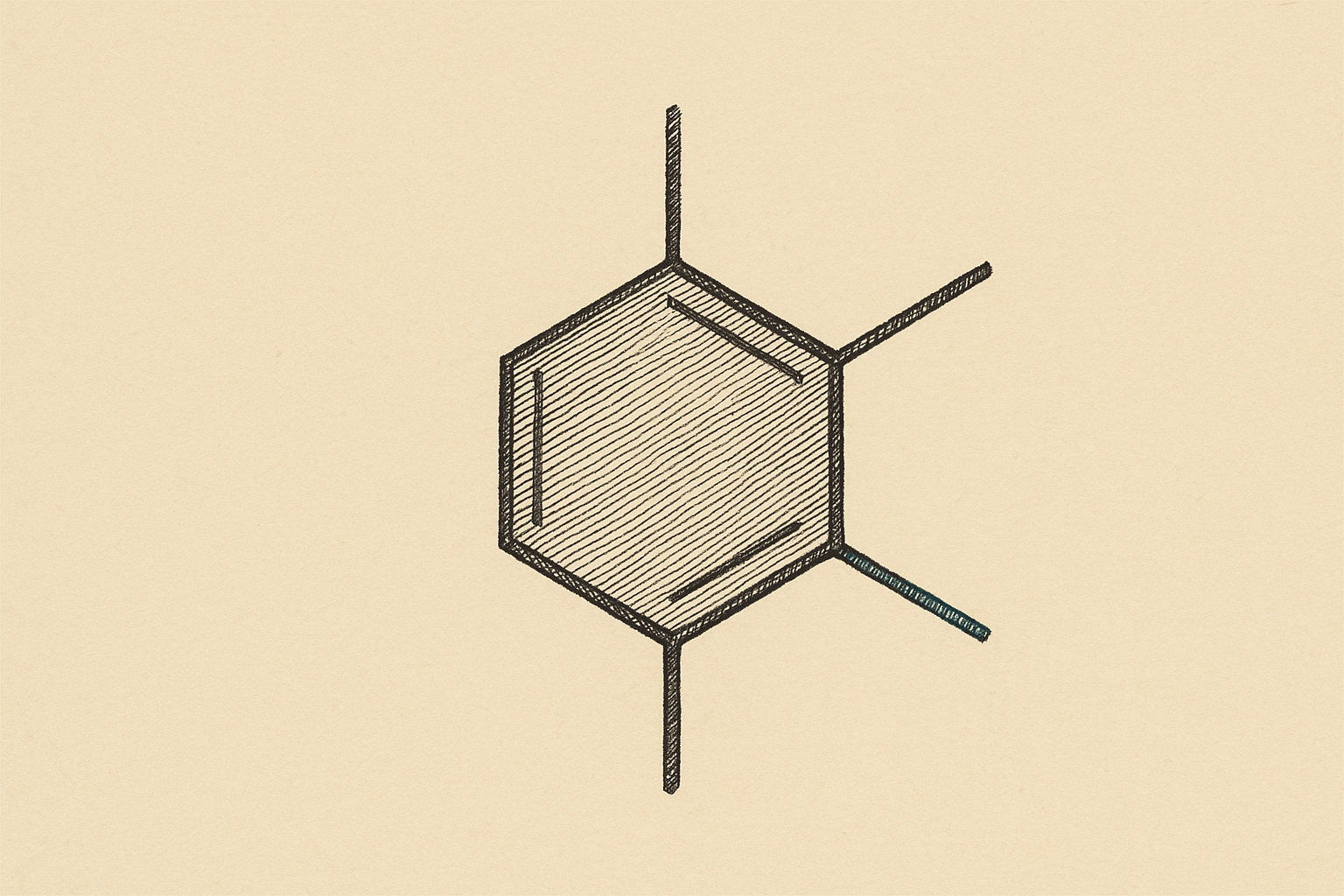
BIOS compressed target-to-lead into a single pipeline running in under an hour, taking a protein target and returning ranked therapeutic candidates without human handoff. The agent chains structure prediction, binder generation, and ranking inside one loop — the kind of end-to-end run that used to span weeks and three separate teams. Bio Protocol's writeup positions it as a working demonstration, not a demo reel. Collapses the timeline that has defined early-stage discovery, and moves the frontier from "agents can do steps" to "agents can do the whole loop."
Read the source

Tahoe unveils Tara research agent
Fig. IIX · Filed 02 Jul 2026.
Nº 02 X Agents · Infrastructure

Tahoe unveils Tara research agent

Tahoe AI introduced Tara, an autonomous research agent that takes a biological question and runs end-to-end experiment design, execution, and analysis. The launch lands the same week as BIOS above, with a similar autonomy claim but a broader scope beyond therapeutics. Two independent target-to-experiment agents shipping in 48 hours moves the category from "one-off demo" to "emerging product class."

Read more
OpenAI drops GeneBench-Pro
Fig. IIIOpenAI · Filed 02 Jul 2026.
Nº 03 OpenAI Field report

OpenAI drops GeneBench-Pro

OpenAI released GeneBench-Pro, a benchmark scoring AI models on genomics and biology tasks built from real-world datasets rather than toy problems. Arrives exactly when autonomous discovery agents need a reference scoreboard — anchors the new floor for biology-applicable AI claims, and forces vendors like the two agent shops above to publish numbers rather than narratives.

Read more
Also Filed · Five Briefs from the queue
Nº 04 bioRxiv Field report

ESM guides low-data peptide design

ESM embeddings guide peptide engineering in low-resource settings where training data is scarce, per a new bioRxiv preprint. The approach pulls signal from protein-language-model features when experimental datasets are too small for supervised design — expands the range of therapeutic modalities where generative design is viable, not just antibodies and small molecules.

Read
Nº 05 bioRxiv Field report

Tabular models rival perturbation predictors

Tabular foundation models match specialized cellular perturbation predictors across biological scales, a bioRxiv result suggests. Questions the assumption that virtual-cell prediction needs bespoke architectures — commodity tabular models trained broadly may be a competitive baseline the field has been ignoring.

Read
Nº 06 arXiv Agents · Infrastructure

Meta-reflection loop for discovery agents

Iterative meta-reflection lets agents critique and revise their own scientific reasoning across runs, per a new arXiv paper. Adds a self-correction layer to the autonomous-discovery stack — narrows the reliability gap that has kept most agent demos from surviving multi-step biology tasks.

Read
Nº 07 arXiv Field report

SynLaD conditions molecules on pharmacophores

SynLaD generates synthesizable molecules conditioned on 3D pharmacophore profiles via latent diffusion. Tightens the loop between structure-based design intent and synthesizable output — one of the recurring failure modes in generative chemistry.

Read
Nº 08 OpenAI Field report

GeneBench-Pro case studies

OpenAI's GeneBench-Pro case studies walk through how frontier models perform on the new genomics tasks, giving vendors and reviewers concrete examples of where current models still miss.

Read

Reply with your discoveries. A human reads them. Forward freely.

Agentic Discovery  ·  Nº 48  ·  02 Jul 2026

Editor's Note

Two autonomous discovery agents landed within 48 hours of each other, and OpenAI dropped a benchmark to score them by.


Nº 01 · The Lede  —  X  —  Computational biology

BIOS ships hour-long target-to-lead

BIOS ships hour-long target-to-lead

Fig. I  X · Filed 02 Jul 2026.

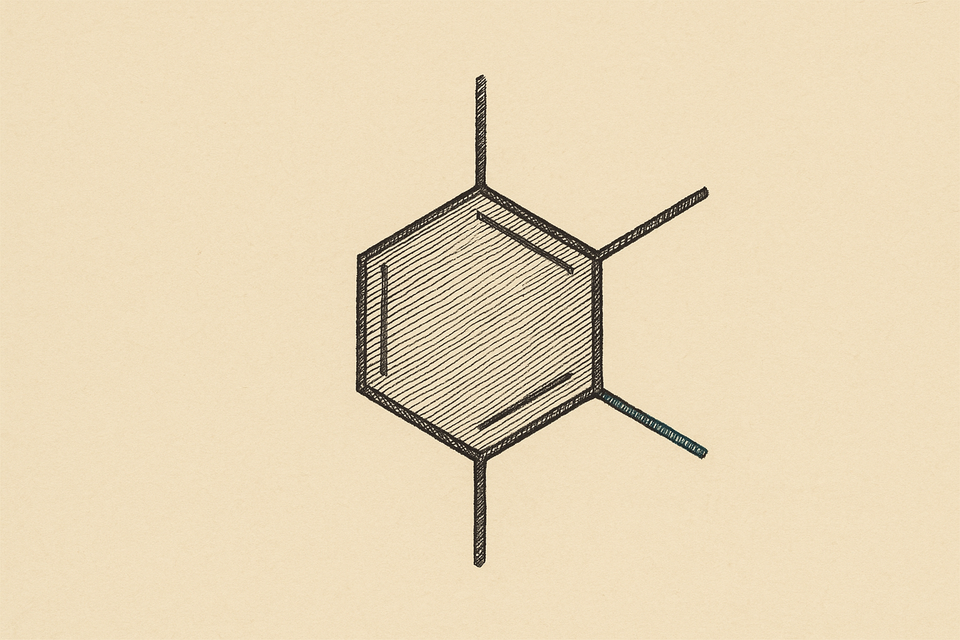
BIOS compressed target-to-lead into a single pipeline running in under an hour, taking a protein target and returning ranked therapeutic candidates without human handoff. The agent chains structure prediction, binder generation, and ranking inside one loop — the kind of end-to-end run that used to span weeks and three separate teams. Bio Protocol's writeup positions it as a working demonstration, not a demo reel. Collapses the timeline that has defined early-stage discovery, and moves the frontier from "agents can do steps" to "agents can do the whole loop."

Read the source →

Why it matters

First public hour-scale target-to-lead run resets what "fast" means in preclinical discovery — every agent platform now has to answer whether it can close the loop in one session, not whether it can automate a step.


Nº 02  —  X  —  Agents · Infrastructure

Tahoe unveils Tara research agent

Fig. II  X · Filed 02 Jul 2026.

Tahoe unveils Tara research agent

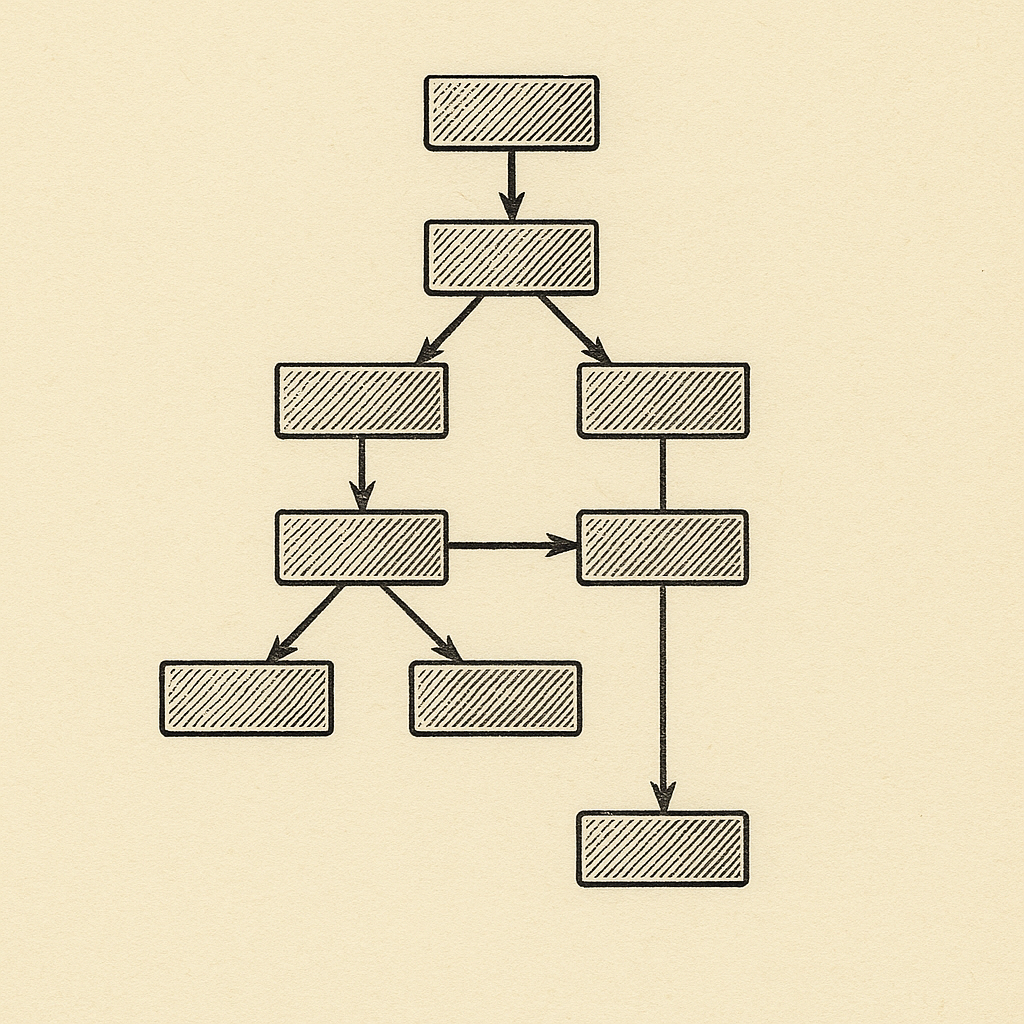
Tahoe AI introduced Tara, an autonomous research agent that takes a biological question and runs end-to-end experiment design, execution, and analysis. The launch lands the same week as BIOS above, with a similar autonomy claim but a broader scope beyond therapeutics. Two independent target-to-experiment agents shipping in 48 hours moves the category from "one-off demo" to "emerging product class."

Read more →


Nº 03  —  OpenAI  —  Field report

OpenAI drops GeneBench-Pro

Fig. III  OpenAI · Filed 02 Jul 2026.

OpenAI drops GeneBench-Pro

OpenAI released GeneBench-Pro, a benchmark scoring AI models on genomics and biology tasks built from real-world datasets rather than toy problems. Arrives exactly when autonomous discovery agents need a reference scoreboard — anchors the new floor for biology-applicable AI claims, and forces vendors like the two agent shops above to publish numbers rather than narratives.

Read more →


Also Filed  ·  Five Briefs from the queue

Nº 04  —  bioRxiv  —  Field report

ESM guides low-data peptide design

ESM embeddings guide peptide engineering in low-resource settings where training data is scarce, per a new bioRxiv preprint. The approach pulls signal from protein-language-model features when experimental datasets are too small for supervised design — expands the range of therapeutic modalities where generative design is viable, not just antibodies and small molecules.

Read →

Nº 05  —  bioRxiv  —  Field report

Tabular models rival perturbation predictors

Tabular foundation models match specialized cellular perturbation predictors across biological scales, a bioRxiv result suggests. Questions the assumption that virtual-cell prediction needs bespoke architectures — commodity tabular models trained broadly may be a competitive baseline the field has been ignoring.

Read →

Nº 06  —  arXiv  —  Agents · Infrastructure

Meta-reflection loop for discovery agents

Iterative meta-reflection lets agents critique and revise their own scientific reasoning across runs, per a new arXiv paper. Adds a self-correction layer to the autonomous-discovery stack — narrows the reliability gap that has kept most agent demos from surviving multi-step biology tasks.

Read →

Nº 07  —  arXiv  —  Field report

SynLaD conditions molecules on pharmacophores

SynLaD generates synthesizable molecules conditioned on 3D pharmacophore profiles via latent diffusion. Tightens the loop between structure-based design intent and synthesizable output — one of the recurring failure modes in generative chemistry.

Read →

Nº 08  —  OpenAI  —  Field report

GeneBench-Pro case studies

OpenAI's GeneBench-Pro case studies walk through how frontier models perform on the new genomics tasks, giving vendors and reviewers concrete examples of where current models still miss.

Read →


· · ·

Reply with your discoveries. A human reads them. Forward freely.