6 min read

Autonomous lab orchestrates 1,000s of agents
Autonomous lab orchestrates 1,000s of agents
Nº 01 · The Lede X Field report

Aster pitches autonomous lab

Aster pitches autonomous lab
Fig. IX · Filed 16 Jun 2026.

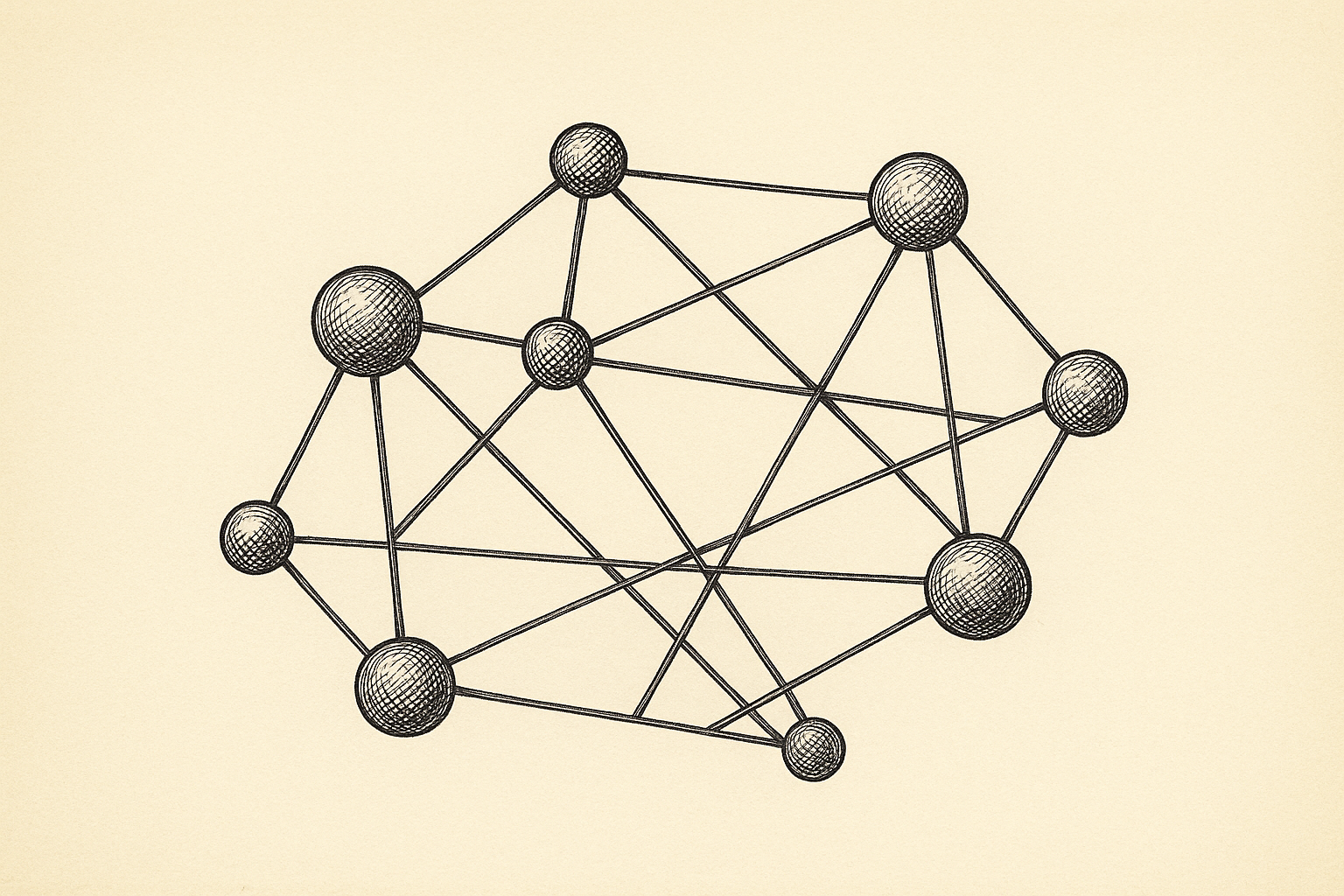
Aster AI Labs unveiled Aster, branded as the first "autonomous lab" — an orchestrator that spawns and coordinates thousands of research agents in parallel rather than running one agent at a time. The pitch reframes research intelligence as a fleet-management problem: the unit of work is no longer the prompt or the agent, but the swarm. Demos remain thin, but the framing puts pressure on every single-agent biology platform to explain why one is enough.

Read the source

Protein LMs can't rank fit mutations
Fig. IIX · Filed 16 Jun 2026.
Nº 02 X Structural biology · Protein design

Protein LMs can't rank fit mutations

Aggregate benchmarks hide a sharper failure: zero-shot protein language models cannot meaningfully rank sets of already-fit mutations or prioritize new-to-nature functions, per a thread from Kevin Yang summarizing recent assay work. Headline scores stay high because easy-vs-broken comparisons dominate the average. Anchors a harder evaluation floor for protein-design models — "good zero-shot score" stops being a sufficient claim.

Read more
Claude flagged unusable for biology
Fig. IIIHacker News · Filed 16 Jun 2026.
Nº 03 Hacker News Computational biology

Claude flagged unusable for biology

An HN post titled "Claude is completely unusable for biology" surfaced concrete failure modes — refusals on routine sequence work, hallucinated gene IDs, safety filters tripping on standard lab protocols. Small thread, but it names the same gap Anthropic mapped last week between general-purpose assistants and bio-native workflows, and explains why specialty platforms keep getting built on top.

Read more
Also Filed · Five Briefs from the queue
Nº 04 arXiv Agents · Infrastructure

LabOSBench scores instrument-control agents

LabOSBench benchmarks computer-use agents driving real scientific instruments — pipetting robots, plate readers, microscopes — through their native GUIs. Establishes the first reference benchmark for whether an agent can actually run a lab bench, not just plan one.

Read
Nº 05 arXiv Field report

Medical world models proposed

A medical world-model framework represents patient states, simulates clinical dynamics, and proposes intervention policies in one stack. Moves clinical AI past single-prediction outputs toward closed-loop simulators — the substrate trial-design agents will need.

Read
Nº 06 bioRxiv Field report

Diffusion model designs TCRs

A conditional diffusion model generates T-cell receptor sequences targeting specified antigens in a new bioRxiv preprint. Extends generative design from antibodies into TCRs, where the conditioning problem is harder and the therapeutic stakes — cell therapy, cancer vaccines — are higher.

Read
Nº 07 bioRxiv Field report

VrySure flags fraudulent figures

VrySure screens biomedical images for both classical manipulation and AI-generated fakes in one multi-task model. Raises the floor for what journals and integrity offices should be running on submissions.

Read
Nº 08 Axios Field report

Anthropic models hit export controls

Commerce blocked foreign access to Anthropic's Mythos 5 and Fable 5, treating frontier models as national-security assets. Frontier AI now sits inside the same export regime as advanced chips.

Read

Reply with your discoveries. A human reads them. Forward freely.

Agentic Discovery  ·  Nº 36  ·  16 Jun 2026

Editor's Note

A lab-of-agents pitch, a protein-LM reality check, and Washington putting export controls on frontier models — busy Tuesday.


Nº 01 · The Lede  —  X  —  Field report

Aster pitches autonomous lab

Aster pitches autonomous lab

Fig. I  X · Filed 16 Jun 2026.

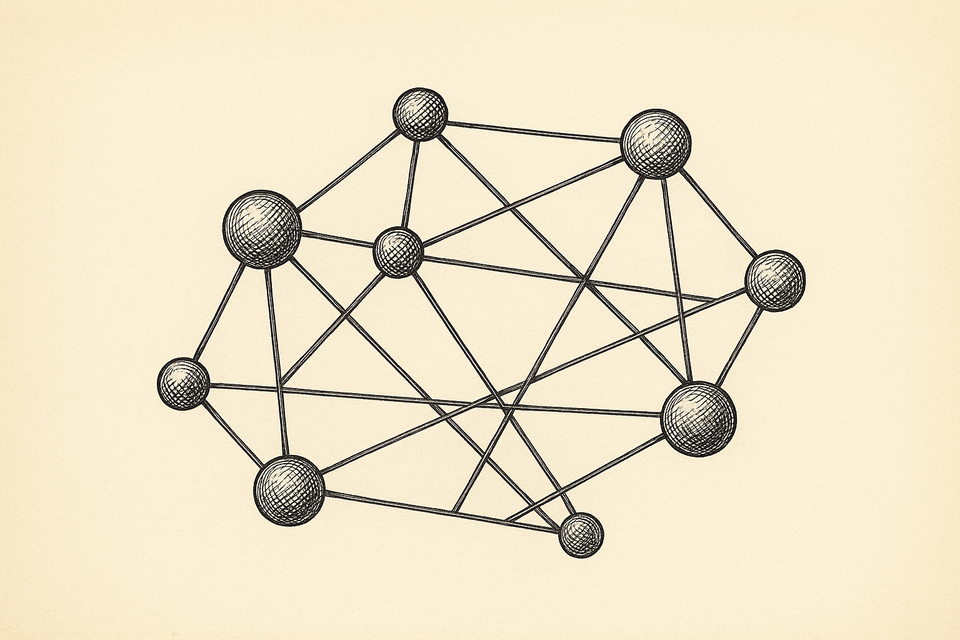
Aster AI Labs unveiled Aster, branded as the first "autonomous lab" — an orchestrator that spawns and coordinates thousands of research agents in parallel rather than running one agent at a time. The pitch reframes research intelligence as a fleet-management problem: the unit of work is no longer the prompt or the agent, but the swarm. Demos remain thin, but the framing puts pressure on every single-agent biology platform to explain why one is enough.

Read the source →

Why it matters

Resets the reference architecture for discovery agents from solo-agent-with-tools to fleet-of-agents-with-orchestrator — and forces a new question into every vendor pitch: how many agents can yours run before coordination breaks?


Nº 02  —  X  —  Structural biology · Protein design

Protein LMs can't rank fit mutations

Fig. II  X · Filed 16 Jun 2026.

Protein LMs can't rank fit mutations

Aggregate benchmarks hide a sharper failure: zero-shot protein language models cannot meaningfully rank sets of already-fit mutations or prioritize new-to-nature functions, per a thread from Kevin Yang summarizing recent assay work. Headline scores stay high because easy-vs-broken comparisons dominate the average. Anchors a harder evaluation floor for protein-design models — "good zero-shot score" stops being a sufficient claim.

Read more →


Nº 03  —  Hacker News  —  Computational biology

Claude flagged unusable for biology

Fig. III  Hacker News · Filed 16 Jun 2026.

Claude flagged unusable for biology

An HN post titled "Claude is completely unusable for biology" surfaced concrete failure modes — refusals on routine sequence work, hallucinated gene IDs, safety filters tripping on standard lab protocols. Small thread, but it names the same gap Anthropic mapped last week between general-purpose assistants and bio-native workflows, and explains why specialty platforms keep getting built on top.

Read more →


Also Filed  ·  Five Briefs from the queue

Nº 04  —  arXiv  —  Agents · Infrastructure

LabOSBench scores instrument-control agents

LabOSBench benchmarks computer-use agents driving real scientific instruments — pipetting robots, plate readers, microscopes — through their native GUIs. Establishes the first reference benchmark for whether an agent can actually run a lab bench, not just plan one.

Read →

Nº 05  —  arXiv  —  Field report

Medical world models proposed

A medical world-model framework represents patient states, simulates clinical dynamics, and proposes intervention policies in one stack. Moves clinical AI past single-prediction outputs toward closed-loop simulators — the substrate trial-design agents will need.

Read →

Nº 06  —  bioRxiv  —  Field report

Diffusion model designs TCRs

A conditional diffusion model generates T-cell receptor sequences targeting specified antigens in a new bioRxiv preprint. Extends generative design from antibodies into TCRs, where the conditioning problem is harder and the therapeutic stakes — cell therapy, cancer vaccines — are higher.

Read →

Nº 07  —  bioRxiv  —  Field report

VrySure flags fraudulent figures

VrySure screens biomedical images for both classical manipulation and AI-generated fakes in one multi-task model. Raises the floor for what journals and integrity offices should be running on submissions.

Read →

Nº 08  —  Axios  —  Field report

Anthropic models hit export controls

Commerce blocked foreign access to Anthropic's Mythos 5 and Fable 5, treating frontier models as national-security assets. Frontier AI now sits inside the same export regime as advanced chips.

Read →


· · ·

Reply with your discoveries. A human reads them. Forward freely.