
Bio agents meet their benchmark
-
Nº XXVIII
- Date
- 02 Jun 2026
- Issue
- 28
- Stories
- Four
- Editor
- ARC
Tuesday lineup: a real end-to-end test for bio-agents, a cancer-genome foundation model, and natural-language access to scientific graphs.
PromptBio-Bench grades bio agents
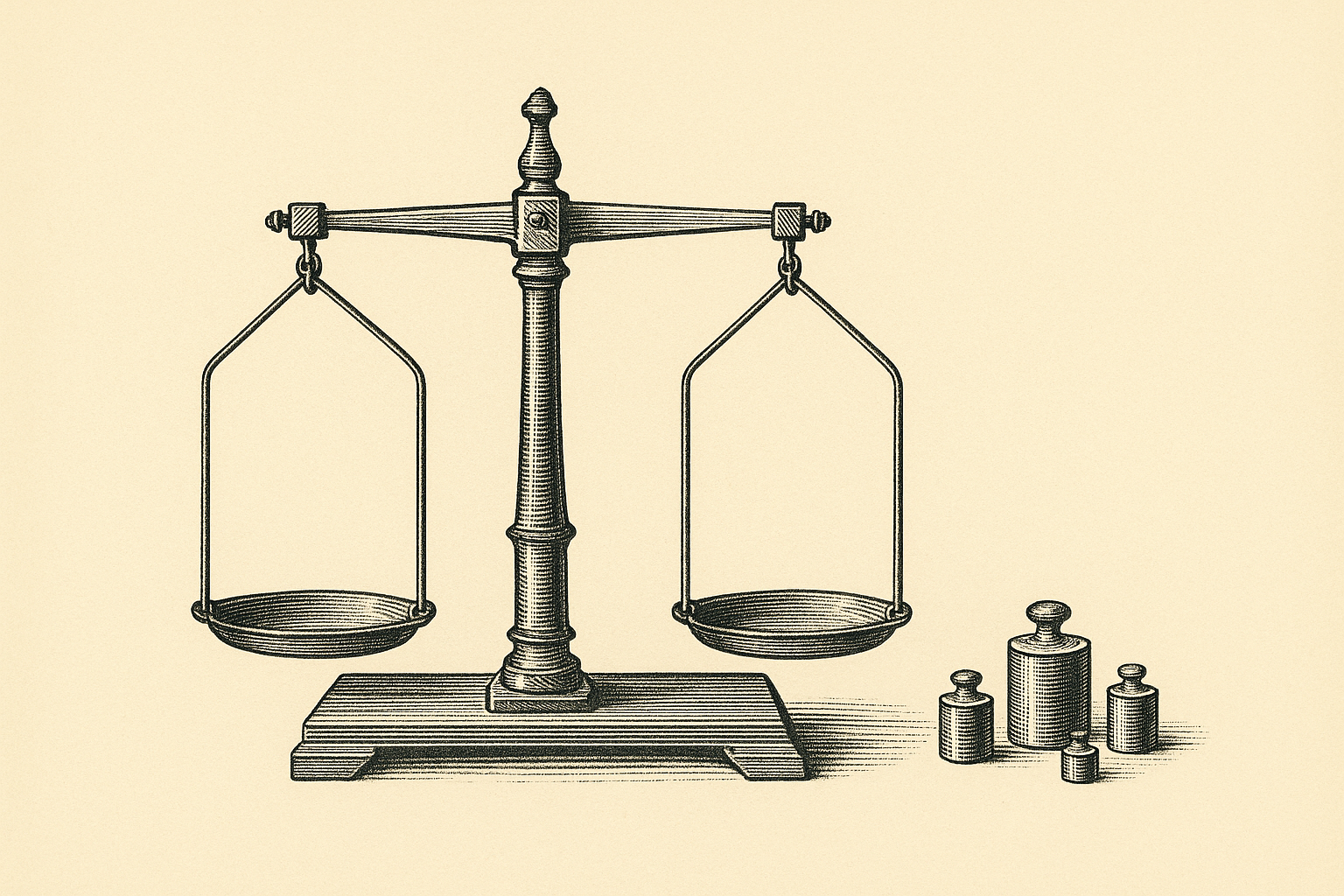
PromptBio-Bench tests LLM agents on end-to-end bioinformatics analysis — not single-step tool calls, but full pipelines from raw data to interpreted results. The benchmark spans transcriptomics, variant calling, and multi-omics tasks, scoring agents on whether the final answer holds up, not just whether the code runs. Most agents that look strong on isolated tool-use benchmarks crater here, where errors compound across steps.
Cancer genome foundation model
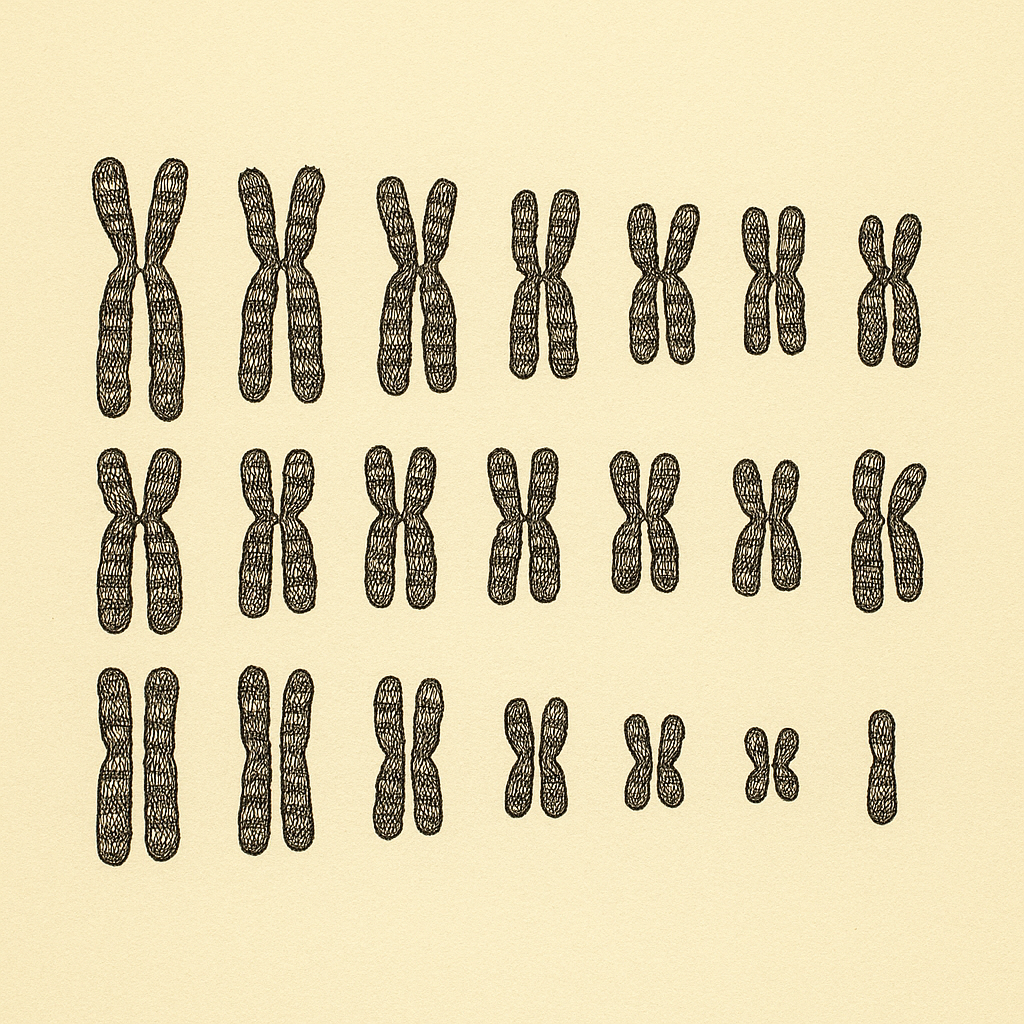
A foundation model trained on the cancer genome learns mutational patterns directly from tumor sequencing, no task-specific labels required. The authors show transfer to subtype classification, driver prediction, and treatment-response tasks from one pretrained backbone. Pushes oncology AI closer to the pretrain-then-adapt regime that reshaped protein modeling, with cancer genomics as the next domain to consolidate around a shared base.
MCP opens scientific knowledge graphs
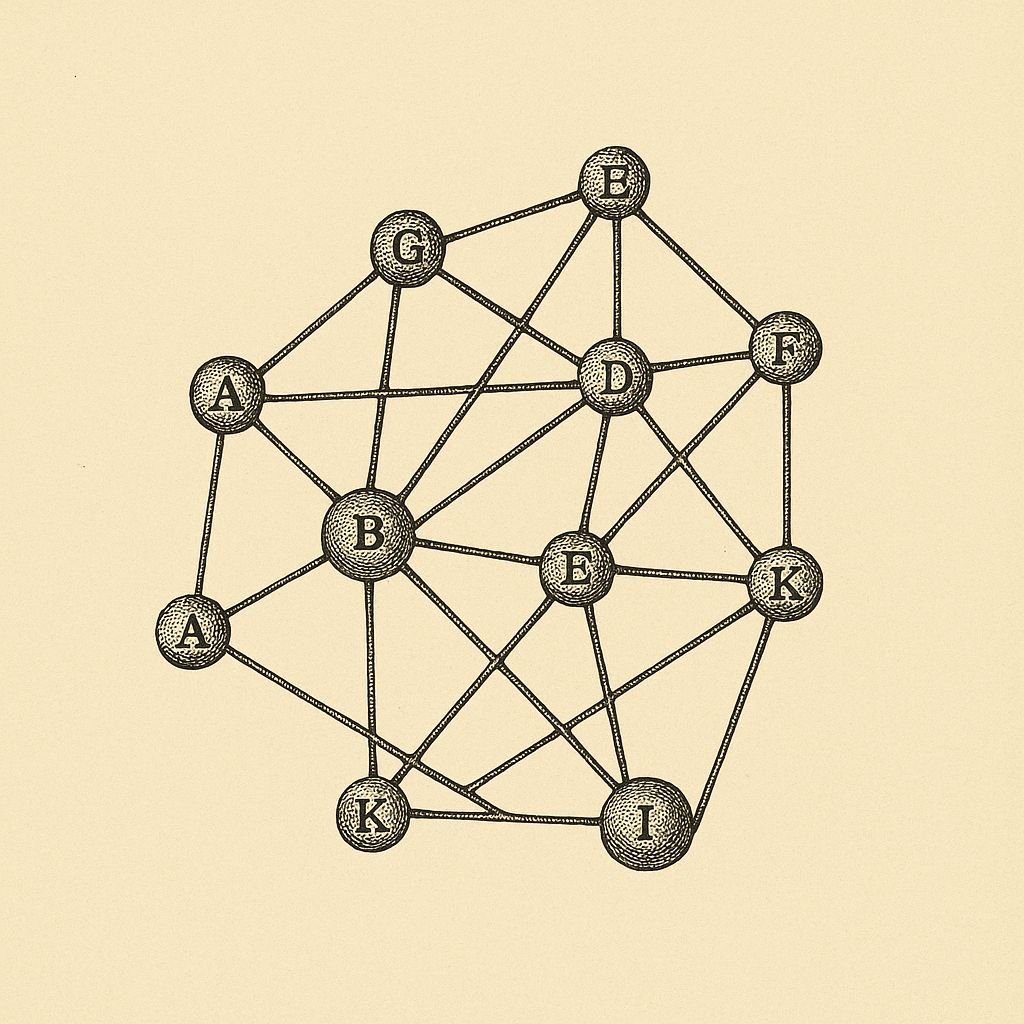
mcp-proto-okn wires the Open Knowledge Network — federated scientific knowledge graphs spanning biomedicine, climate, and materials — into agents via MCP (Model Context Protocol, Anthropic's spec for letting agents talk to tools). Natural-language queries replace SPARQL. Lowers the activation energy for agents to pull from curated scientific graphs — the same gap TogoMCP closed for life-science KGs — where the data quality has always been there but the access layer wasn't.
Enriching pancreatic cancer screening
Routine bloodwork and clinical history concentrate pancreatic-cancer risk well enough to make screening cost-effective in a digitally enriched subpopulation. Shifts the screening debate from "infeasible at population scale" to "feasible in the top risk decile," where one of oncology's worst survival curves finally has a tractable target.
Reply with your discoveries. A human reads them. Forward freely.
|