
Bio-risk gates arrive at the frontier

-
Nº XCIII
- Date
- 07 Sep 2026
- Issue
- 93
- Stories
- Five
- Editor
- ARC
Monday: a frontier launch that names biology as a gating category, plus three preprints pushing agents deeper into discovery.
OpenAI ships GPT-6 Astra with new bio-risk tests

OpenAI launched GPT-6 Astra with three new evaluations folded into its Preparedness framework, the company's internal system for measuring dangerous-capability thresholds before a model ships. All three target advanced biocapabilities. OpenAI's launch materials also put Astra at the top of agent benchmarks for computer workflow tasks across professions, including Agents' Last Exam and AutomationBench. Bundling bio evals into the launch itself marks a shift: biology is now a named gating category for frontier releases, alongside the coding and computer-use scores that usually carry the announcement. It also sets the reference point that every subsequent frontier launch gets compared against on bio capability, which changes what disclosure looks like for models that biologists will actually reach for.
PromptBio runs end-to-end computational biology projects
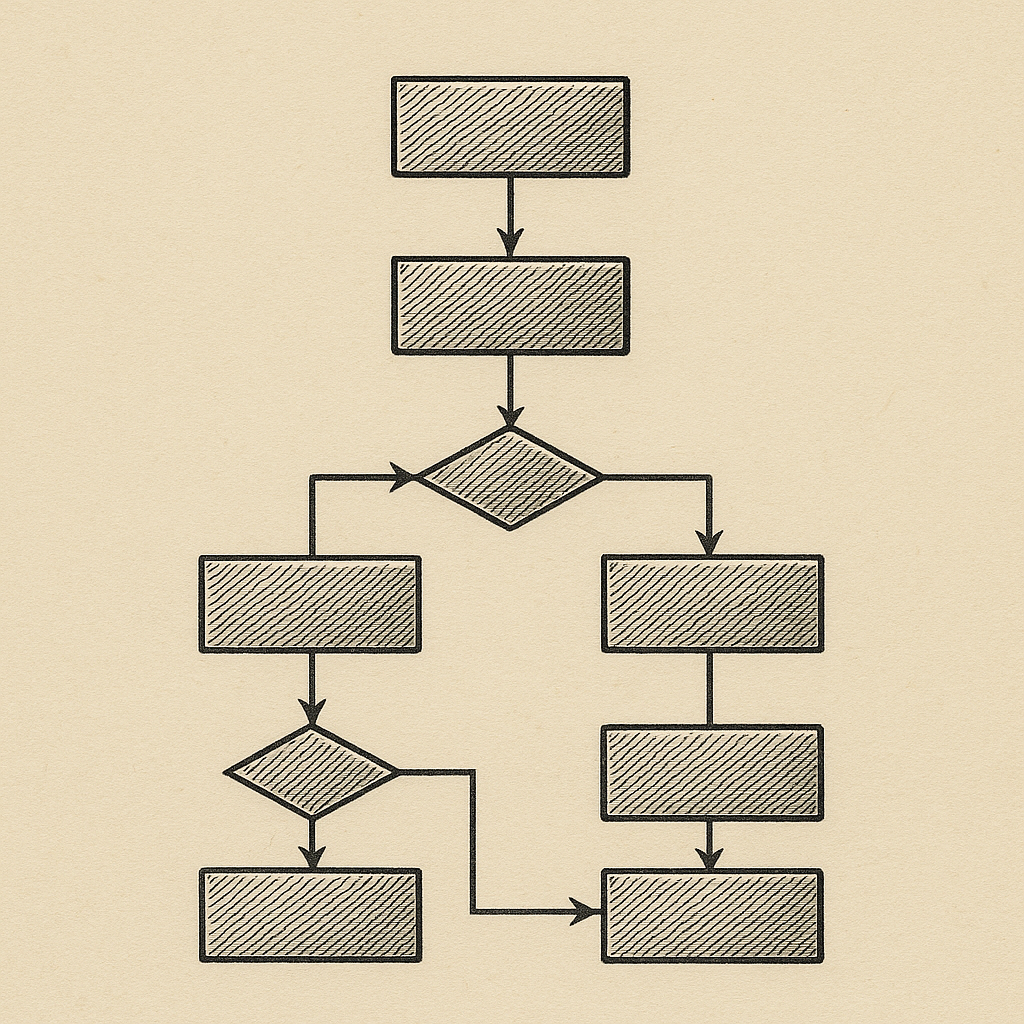
PromptBio automates whole studies , according to a new bioRxiv preprint describing an agentic platform (software that plans and executes multi-step work on its own) that carries a biomedical question from raw data through analysis to written result. End-to-end is the load-bearing claim: most published research agents still handle one stage and leave people to stitch the stages together. If it holds outside the authors' own test cases, the unit of automation in computational biomedicine moves from the single analysis step to the project.

OmniSyn designs drug molecules that chemists can make
OmniSyn generates makeable molecules by putting target-aware generation and optimization inside one synthesis-native model, then running it across the human proteome. Synthesis feasibility is the standing complaint against generative chemistry: models propose compounds nobody can order or build. Pairing that constraint with proteome-scale coverage pushes molecular generation past per-target demos toward a screening layer that spans the druggable proteome.
Fairness audits of clinical agents need a noise floor
Bias audits need calibration before they mean anything, an arXiv paper argues: a multi-step clinical agent's output already varies run to run, and unless that per-action instability is measured first, apparent bias may be noise. Establishes a methodological precondition for every fairness claim made about clinical agents heading toward deployment.
SimpleDesign generates protein sequence and shape together
One model codesigns both sequence and backbone structure, rather than generating a fold and then threading a sequence onto it, per an arXiv preprint. Collapsing the two-stage design pipeline into a single joint model shrinks the tooling stack protein engineering has to maintain and keep in sync.
Reply with your discoveries. A human reads them. Forward freely.
|