
5 min read

OpenAI ships a bench-grade chemist

OpenAI ships a bench-grade chemist
Nº 01 · The Lede OpenAI Field report

OpenAI ships GPT-Rosalind for life sciences

OpenAI ships GPT-Rosalind for life sciences
Fig. IOpenAI · Filed 04 Jun 2026.

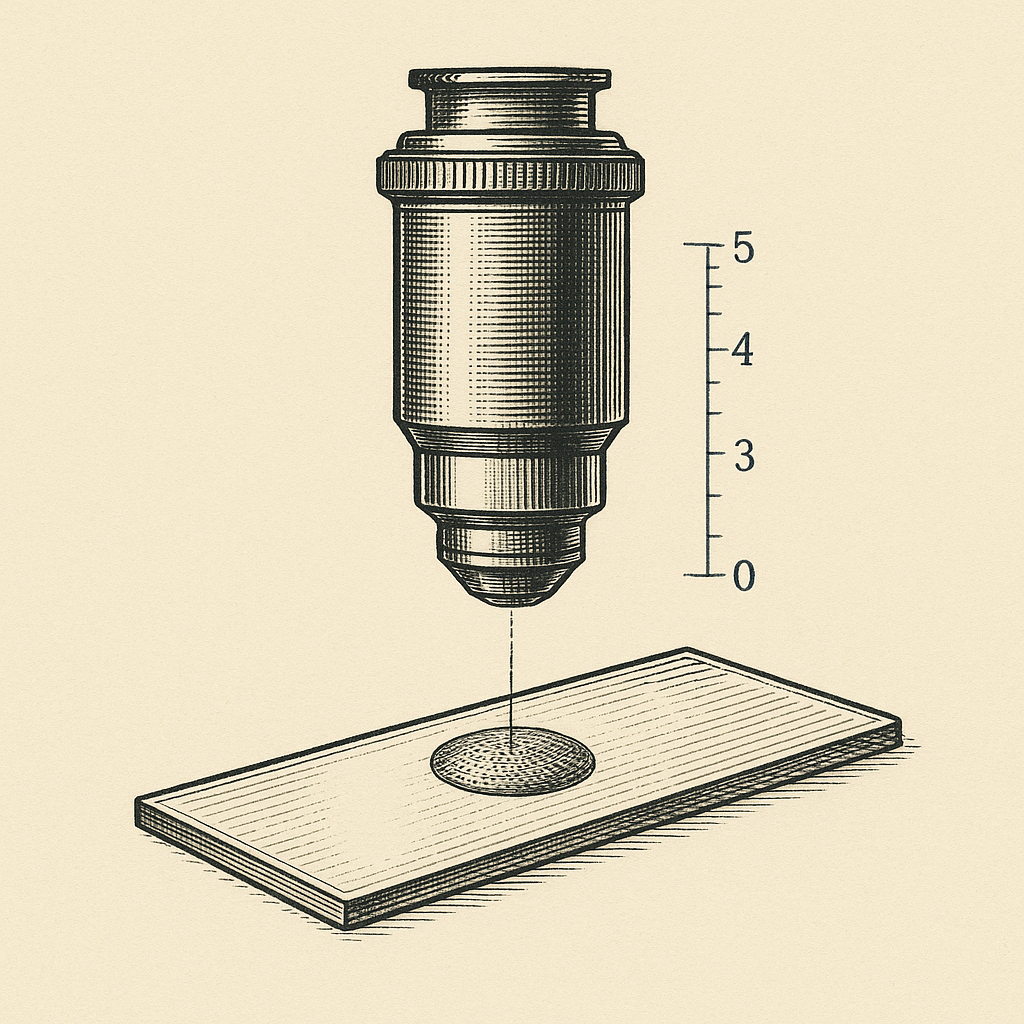
OpenAI launched GPT-Rosalind with sharpened biological reasoning, medicinal-chemistry expertise, genomics analysis, and experimental-workflow tooling — a domain-specialist branch of the GPT line aimed squarely at the lab bench. The release puts a frontier-lab name on a stack that used to live in startup pitch decks, and it lands the same week three spatial-biology and agent papers (below) push the academic frontier in parallel. Pricing, tool access, and what counts as 'experimental workflow' inside an OpenAI product are the questions that will shape adoption.
Read the source

CodeCytos writes its own spatial analysis
Fig. IIbioRxiv · Filed 04 Jun 2026.
Nº 02 bioRxiv Field report

CodeCytos writes its own spatial analysis

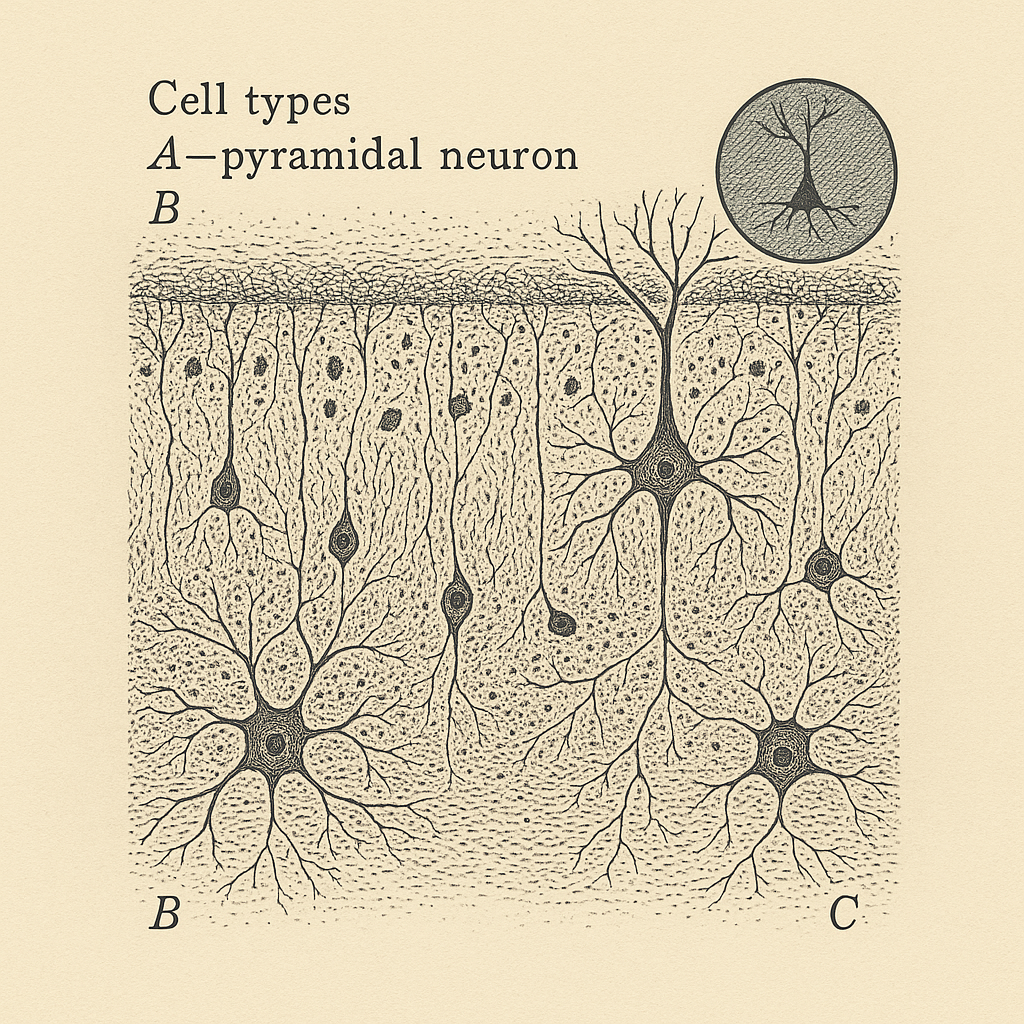
CodeCytos turns spatial imaging into a code-augmented agent loop — instead of selecting from canned analyses, the agent writes and executes code against multiplexed tissue images on the fly. Moves spatial molecular imaging from fixed-pipeline tools toward open-ended hypothesis testing, where the bottleneck has been the gap between what a pathologist wants to ask and what a GUI permits.
Read more
SciCore-Omics fuses three spatial modalities
Fig. IIIbioRxiv · Filed 04 Jun 2026.
Nº 03 bioRxiv Field report

SciCore-Omics fuses three spatial modalities

SciCore-Omics unifies histology spatial transcriptomics, and language into one foundation model for spatial biology. Anchors a new reference architecture for the field: tri-modal pretraining is now the bar, and single-modality spatial models inherit a 'why not all three?' question they didn't have last month.

Read more
Also Filed · Two Briefs from the queue
Nº 04 arXiv Agents · Infrastructure

MCP-native planning for biomedical agents

Graph-based planning replaces prompts in a new biomedical agent system built directly on MCP (Model Context Protocol, the spec for how agents discover and call tools). Moves multi-step biomedical agents past brittle prompt-chains toward planner-driven execution — production readiness for clinical and discovery agents now has a concrete architectural template.

Read
Nº 05 arXiv Agents · Infrastructure

CERN runs agents on the CMS detector

Archi puts agentic ops on the CMS experiment at CERN, automating operational decisions on one of physics' largest instruments. Cross-domain proof that agents can run real scientific infrastructure under tight reliability constraints — a template biology core facilities and cryo-EM operations centers will study closely.

Read

Reply with your discoveries. A human reads them. Forward freely.

Agentic Discovery  ·  Nº 30  ·  04 Jun 2026

Editor's Note

Tuesday brings a foundation-model land grab in spatial biology, and OpenAI wants its name on your lab notebook.


Nº 01 · The Lede  —  OpenAI  —  Field report

OpenAI ships GPT-Rosalind for life sciences

OpenAI ships GPT-Rosalind for life sciences

Fig. I  OpenAI · Filed 04 Jun 2026.

OpenAI launched GPT-Rosalind with sharpened biological reasoning, medicinal-chemistry expertise, genomics analysis, and experimental-workflow tooling — a domain-specialist branch of the GPT line aimed squarely at the lab bench. The release puts a frontier-lab name on a stack that used to live in startup pitch decks, and it lands the same week three spatial-biology and agent papers (below) push the academic frontier in parallel. Pricing, tool access, and what counts as 'experimental workflow' inside an OpenAI product are the questions that will shape adoption.

Read the source →

Why it matters

A frontier lab planting its flag in life-sciences-tuned models resets the reference vendor for bio-AI — every specialist startup now has to answer 'why not just use Rosalind?' and every pharma IT shop has a defensible default to evaluate.


Nº 02  —  bioRxiv  —  Field report

CodeCytos writes its own spatial analysis

Fig. II  bioRxiv · Filed 04 Jun 2026.

CodeCytos writes its own spatial analysis

CodeCytos turns spatial imaging into a code-augmented agent loop — instead of selecting from canned analyses, the agent writes and executes code against multiplexed tissue images on the fly. Moves spatial molecular imaging from fixed-pipeline tools toward open-ended hypothesis testing, where the bottleneck has been the gap between what a pathologist wants to ask and what a GUI permits.

Read more →


Nº 03  —  bioRxiv  —  Field report

SciCore-Omics fuses three spatial modalities

Fig. III  bioRxiv · Filed 04 Jun 2026.

SciCore-Omics fuses three spatial modalities

SciCore-Omics unifies histology spatial transcriptomics, and language into one foundation model for spatial biology. Anchors a new reference architecture for the field: tri-modal pretraining is now the bar, and single-modality spatial models inherit a 'why not all three?' question they didn't have last month.

Read more →


Also Filed  ·  Two Briefs from the queue

Nº 04  —  arXiv  —  Agents · Infrastructure

MCP-native planning for biomedical agents

Graph-based planning replaces prompts in a new biomedical agent system built directly on MCP (Model Context Protocol, the spec for how agents discover and call tools). Moves multi-step biomedical agents past brittle prompt-chains toward planner-driven execution — production readiness for clinical and discovery agents now has a concrete architectural template.

Read →

Nº 05  —  arXiv  —  Agents · Infrastructure

CERN runs agents on the CMS detector

Archi puts agentic ops on the CMS experiment at CERN, automating operational decisions on one of physics' largest instruments. Cross-domain proof that agents can run real scientific infrastructure under tight reliability constraints — a template biology core facilities and cryo-EM operations centers will study closely.

Read →


· · ·

Reply with your discoveries. A human reads them. Forward freely.