
Protein design without a protein model
-
Nº CLI
- Date
- 26 Nov 2026
- Issue
- 151
- Stories
- Six
- Editor
- ARC
OpenAI says its general model designed binders in a lab; the rest of today's work asks which scores to believe.
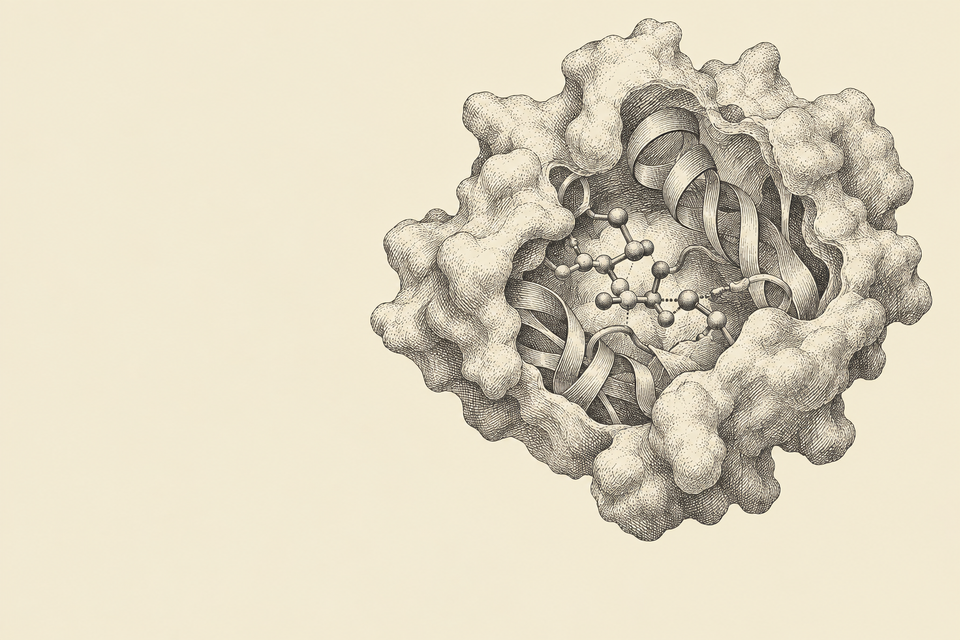
OpenAI says GPT-6 designed proteins that bind
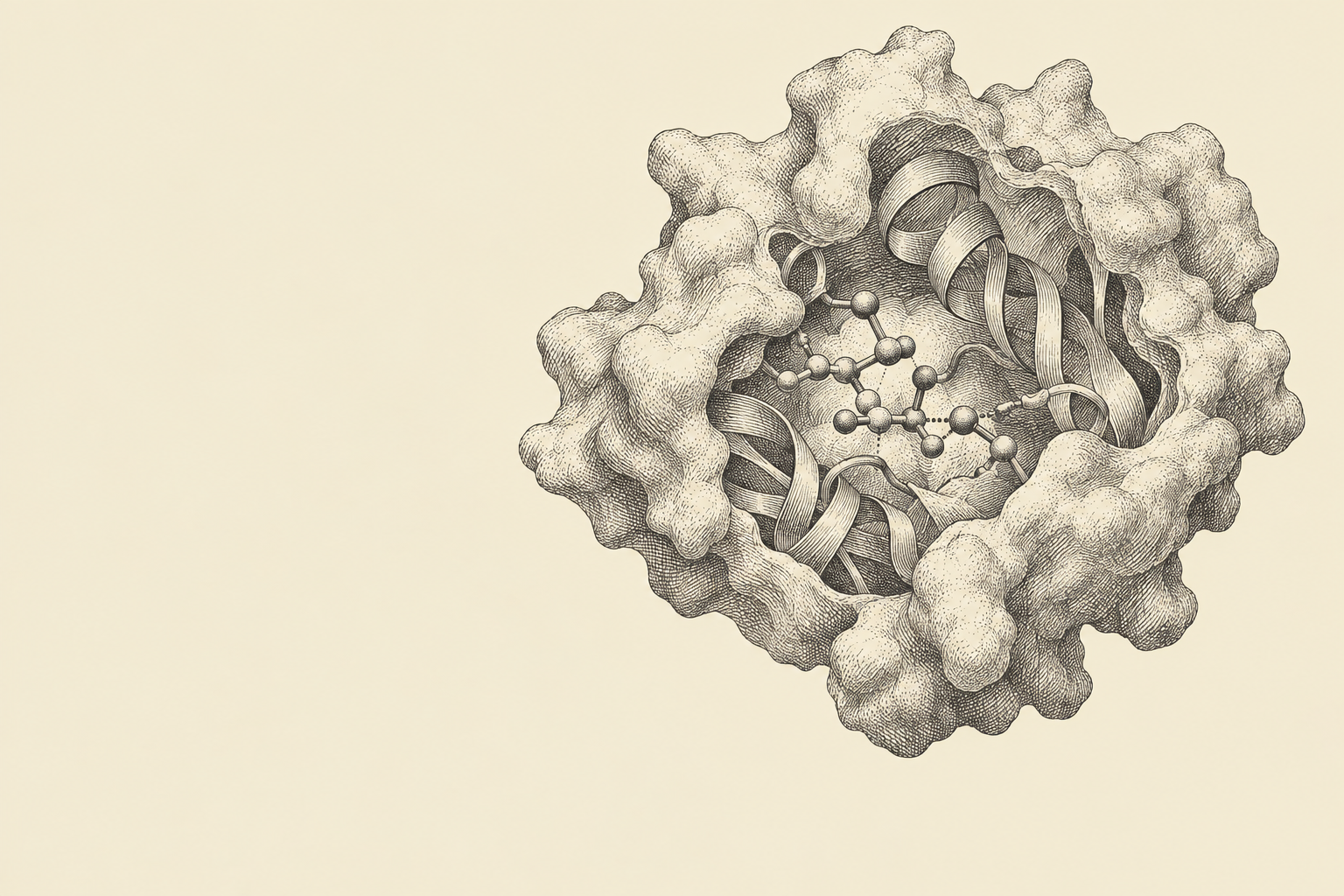
GPT-6 designed protein structures and sequences by reasoning and writing code, and OpenAI reports lab evidence of binding across five targets. Protein design today runs on purpose-built systems like RFdiffusion, ESM and AlphaFold-derived pipelines, all trained only on structures and sequences. The claim here is that a general model, never built for the task, reached experimentally confirmed binders without that training. OpenAI's announcement gives no affinity numbers, hit rates, or target identities.
Language models match a trial count at picking targets
Language models ranking drug targets scored no better than a simple count of each target's past trials in the same therapeutic area. The test dates every hypothesis to its first clinical trial, which separates forecasting from recall. Feeding six open models the newest knowledge graph lifted five of them above that baseline, but the retrieval paths usually contained the trial being predicted.

Unscored variants leave predictor rankings undecided
Unscored variants make most comparisons of variant effect predictors undecidable. Across 49 dbNSFP predictors on 328,328 ClinVar substitutions, 745 of 1,176 rankings can't be resolved, because each tool skips different variants. Among the orderings claimed in ten published benchmarks, 36.8% fail the same check. Evo 2, a genomic language model, does not beat plain gene annotation across nine species (mean AUROC 0.943 to 0.958).
Models falter at identifying chemicals through experiments
ChemDeduce drops frontier models into a simulated lab where naming a hidden compound requires designing experiments, reading the results, and revising hypotheses. Across 200 chemicals and eight models, identification accuracy ran from 23.8% to 67.3%.
Cell-model features detect genes, not the concepts they name
Concept labels on features from transcriptomic foundation models mostly track which genes a panel measures rather than the biology they name. On held-out genes, F1 fell to 0.01–0.12, and randomly re-initialized scGPT and Geneformer scored as well.
Scanner checks AI agent skill files for tampering
ClawVet scans AI agent skill files offline and compares versions to catch code added after installation. Skills ship as plain shareable files and run on whatever machine loads them.
Reply with your discoveries. A human reads them. Forward freely.
|