
5 min read

Who pays when clinical AI gets it wrong?

Monday opens with a liability fight, a water-pollution chatbot that shows its work, and organoids standing in for patients.
Who pays when clinical AI gets it wrong?
Nº 01 · The Lede Axios Field report

Largest US physicians' group seeks AI liability shield

Largest US physicians' group seeks AI liability shield
Fig. IAxios · Filed 16 Nov 2026.

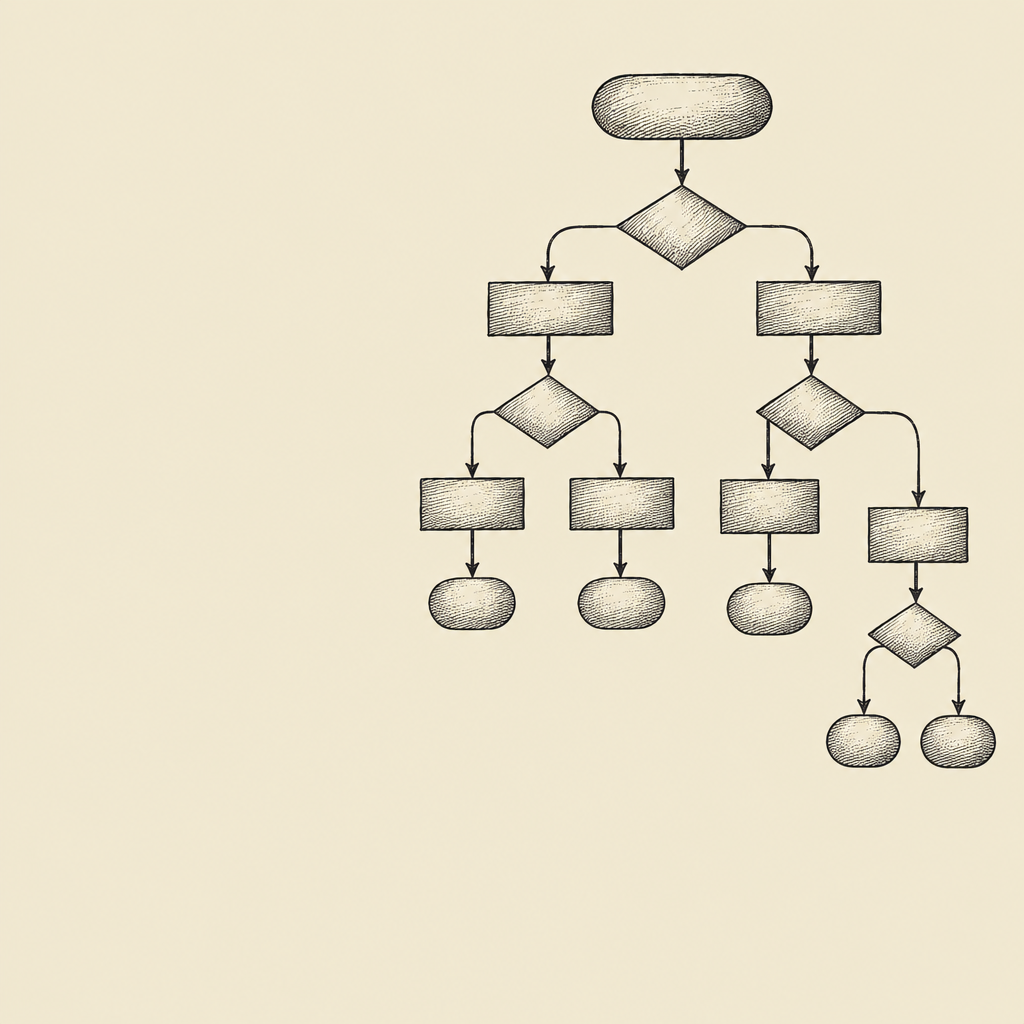
The largest US physicians' group is lobbying for new legal protections in case AI harms patients, Axios reports, as hospitals and clinics deploy the tools at speed. Malpractice law grew up around a physician's own judgment, so the doctor who acts on a recommendation has carried the risk. Software that recommends, and increasingly decides, makes it harder to say where negligence sits. It is unclear whether a clinician should answer for a choice that rested on an algorithm. The question is more pressing as autonomous AI takes on more consequential medical tasks with less direct oversight. The fight is over who is responsible when the software gets it wrong.
Read the source →

EcoToxFred lets anyone query water-hazard data by chat
Fig. IIbioRxiv · Filed 16 Nov 2026.
Nº 02 bioRxiv Field report

EcoToxFred lets anyone query water-hazard data by chat

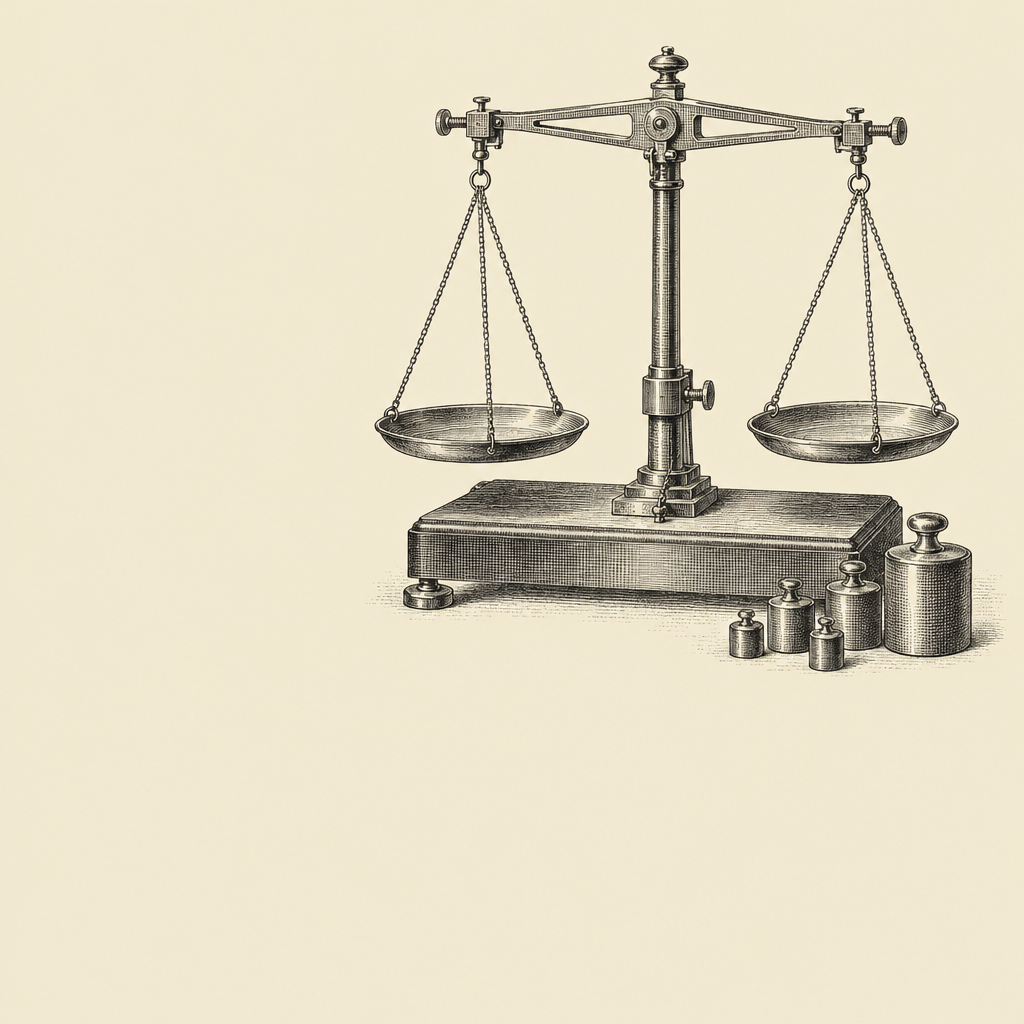
EcoToxFred, an open-source chat agent, picks its own tools and writes its own database queries to answer questions about chemical monitoring and hazard data for European surface waters. It shows each query it ran alongside the answer. Today, interpreting those datasets together is rarely possible without database expertise. Tested with OpenAI's GPT-4.1 and GPT-5 on 25 questions, it chose a suitable tool in at least 92% of runs and reproduced the reference result in 74%. Goal accuracy was 52% and 63% respectively, with most failures coming on multi-step analytical questions and from mismatched vocabulary.
Read more →
New organoid dataset trains and tests drug-response AI
Fig. IIIarXiv · Filed 16 Nov 2026.
Nº 03 arXiv Drug discovery · Computational

New organoid dataset trains and tests drug-response AI

Patient-derived organoid drug screens have been gathered into a dataset for training and evaluating AI models that predict drug response, according to a new arXiv preprint. Most such predictors have been built on cell-line screens like GDSC, whose results often fail to carry over to patients. Organoids keep more of the original tissue's architecture and cellular mix, so they are a closer stand-in for the clinic. The authors intend the data for two uses: building new predictors and benchmarking existing ones.

Read more →
Also Filed · Two Briefs from the queue
Nº 04 bioRxiv Drug discovery · Computational

Supervised AI agent proposes drug repurposing hypotheses

A human-supervised AI agent generates drug-repurposing hypotheses and helps with experiments, according to a new bioRxiv preprint. Repurposing starts from approved or shelved compounds with known safety profiles, which shortens the path from hypothesis to test.

Read →
Nº 05 arXiv Field report

MutAtlas maps mutation effects across the whole PDB

MutAtlas maps protein mutation effects across the entire Protein Data Bank, using energy calculations to guide the estimates, according to an arXiv preprint. Experimental data on mutation effects mostly come from deep mutational scans covering a few hundred proteins.

Read →

Reply with your discoveries. A human reads them. Forward freely.

Agentic Discovery  ·  Nº 143  ·  16 Nov 2026

Editor's Note

Monday opens with a liability fight, a water-pollution chatbot that shows its work, and organoids standing in for patients.


Nº 01 · The Lede  —  Axios  —  Field report

Largest US physicians' group seeks AI liability shield

Largest US physicians' group seeks AI liability shield

Fig. I  Axios · Filed 16 Nov 2026.

The largest US physicians' group is lobbying for new legal protections in case AI harms patients, Axios reports, as hospitals and clinics deploy the tools at speed. Malpractice law grew up around a physician's own judgment, so the doctor who acts on a recommendation has carried the risk. Software that recommends, and increasingly decides, makes it harder to say where negligence sits. It is unclear whether a clinician should answer for a choice that rested on an algorithm. The question is more pressing as autonomous AI takes on more consequential medical tasks with less direct oversight. The fight is over who is responsible when the software gets it wrong.

Read the source →

Why it matters

Who carries the risk of acting on an AI recommendation may now decide how quickly autonomous tools reach patient care, as much as how accurate they become.


Nº 02  —  bioRxiv  —  Field report

EcoToxFred lets anyone query water-hazard data by chat

Fig. II  bioRxiv · Filed 16 Nov 2026.

EcoToxFred lets anyone query water-hazard data by chat

EcoToxFred, an open-source chat agent, picks its own tools and writes its own database queries to answer questions about chemical monitoring and hazard data for European surface waters. It shows each query it ran alongside the answer. Today, interpreting those datasets together is rarely possible without database expertise. Tested with OpenAI's GPT-4.1 and GPT-5 on 25 questions, it chose a suitable tool in at least 92% of runs and reproduced the reference result in 74%. Goal accuracy was 52% and 63% respectively, with most failures coming on multi-step analytical questions and from mismatched vocabulary.

Read more →


Nº 03  —  arXiv  —  Drug discovery · Computational

New organoid dataset trains and tests drug-response AI

Fig. III  arXiv · Filed 16 Nov 2026.

New organoid dataset trains and tests drug-response AI

Patient-derived organoid drug screens have been gathered into a dataset for training and evaluating AI models that predict drug response, according to a new arXiv preprint. Most such predictors have been built on cell-line screens like GDSC, whose results often fail to carry over to patients. Organoids keep more of the original tissue's architecture and cellular mix, so they are a closer stand-in for the clinic. The authors intend the data for two uses: building new predictors and benchmarking existing ones.

Read more →


Also Filed  ·  Two Briefs from the queue

Nº 04  —  bioRxiv  —  Drug discovery · Computational

Supervised AI agent proposes drug repurposing hypotheses

A human-supervised AI agent generates drug-repurposing hypotheses and helps with experiments, according to a new bioRxiv preprint. Repurposing starts from approved or shelved compounds with known safety profiles, which shortens the path from hypothesis to test.

Read →

Nº 05  —  arXiv  —  Field report

MutAtlas maps mutation effects across the whole PDB

MutAtlas maps protein mutation effects across the entire Protein Data Bank, using energy calculations to guide the estimates, according to an arXiv preprint. Experimental data on mutation effects mostly come from deep mutational scans covering a few hundred proteins.

Read →


· · ·

Reply with your discoveries. A human reads them. Forward freely.