
6 min read

A virtual cell gets federal backing
A virtual cell gets federal backing
Nº 01 · The Lede Axios Cell biology · Funding

Biohub, Google and the U.S. build a virtual cell
Biohub, Google and the U.S. build a virtual cell
Fig. IAxios · Filed 08 Oct 2026.

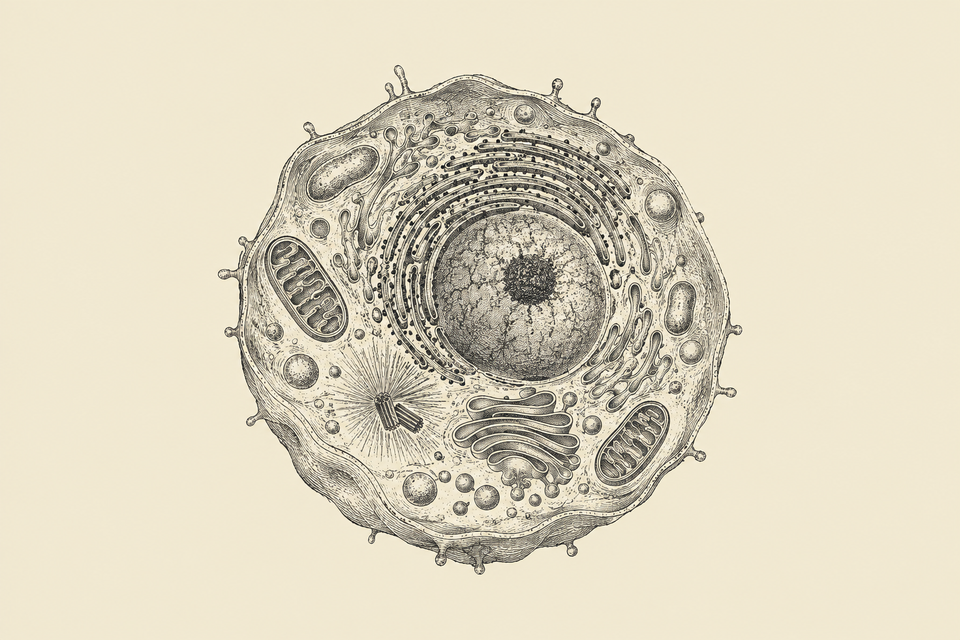
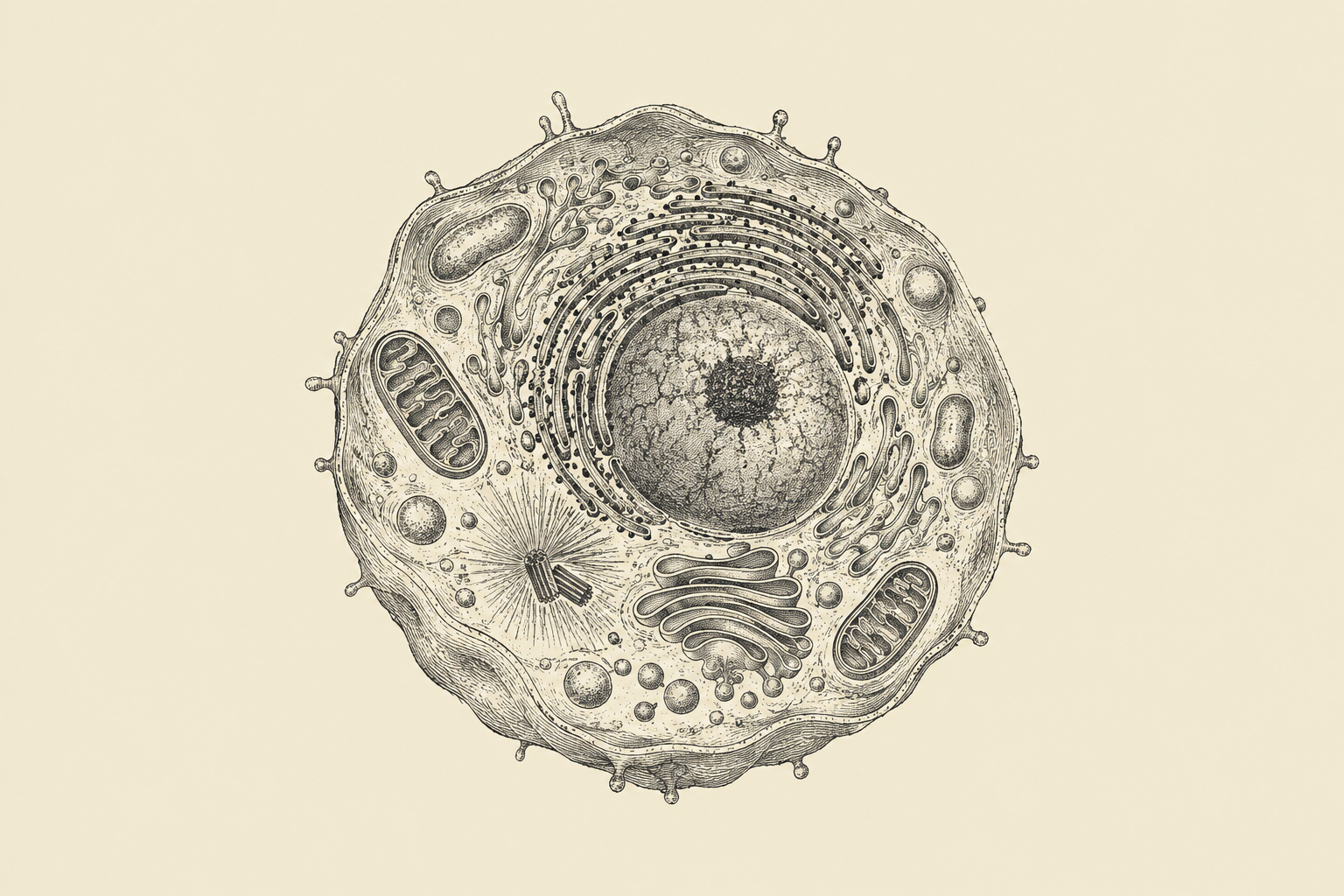
Biohub teams with Google and the federal government to generate biological data at a scale large enough to train a model that predicts how cells behave. The goal is running candidate experiments virtually first, so bench time goes only to the ones most likely to work. AI already handles proteins and other individual pieces of biology; a whole living cell is orders of magnitude harder, and the measurements to train on mostly don't exist yet. That data gap, not model design, is what the partnership is built to close. It resets who the reference funder for virtual-cell AI is, and raises the ceiling on what the field can plausibly budget for data generation.
Read the source →

OFAntibody designs bispecific antibodies from scratch
Fig. IIarXiv · Filed 08 Oct 2026.
Nº 02 arXiv Field report

OFAntibody designs bispecific antibodies from scratch

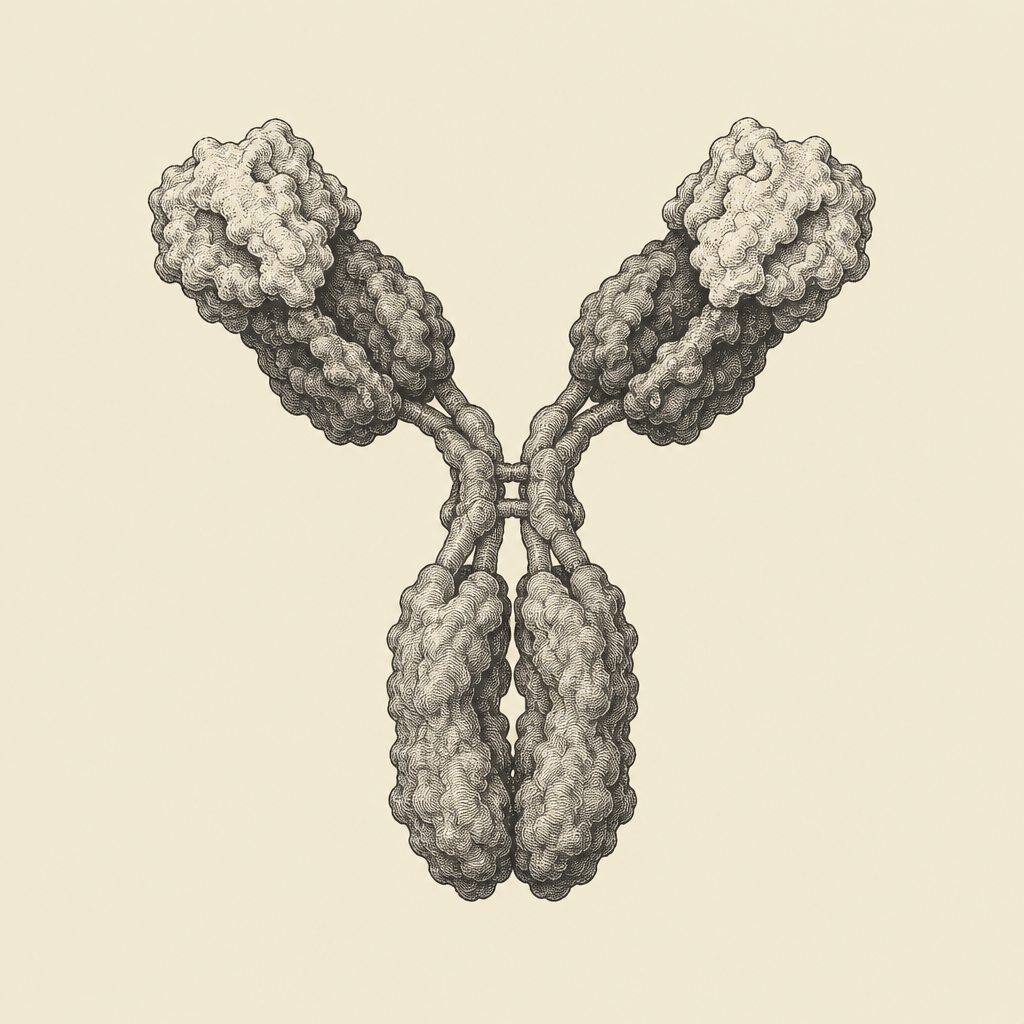
OFAntibody generates antibodies de novo covering both conventional monoclonals and bispecifics, formats that until now have mostly come out of immunization campaigns or display-library screens. The preprint, from a group publishing as the Valhalla Team, puts both modalities inside one design system rather than treating the bispecific as a downstream engineering problem. Computational antibody design has lagged well behind de novo design of small binders — pulling bispecifics into generative design moves the frontier of what can be proposed in silico before a single panning round.
Read more →
CircuitATLAS searches a brain-circuit map for drug targets
Fig. IIIarXiv · Filed 08 Oct 2026.
Nº 03 arXiv Drug discovery · Computational

CircuitATLAS searches a brain-circuit map for drug targets

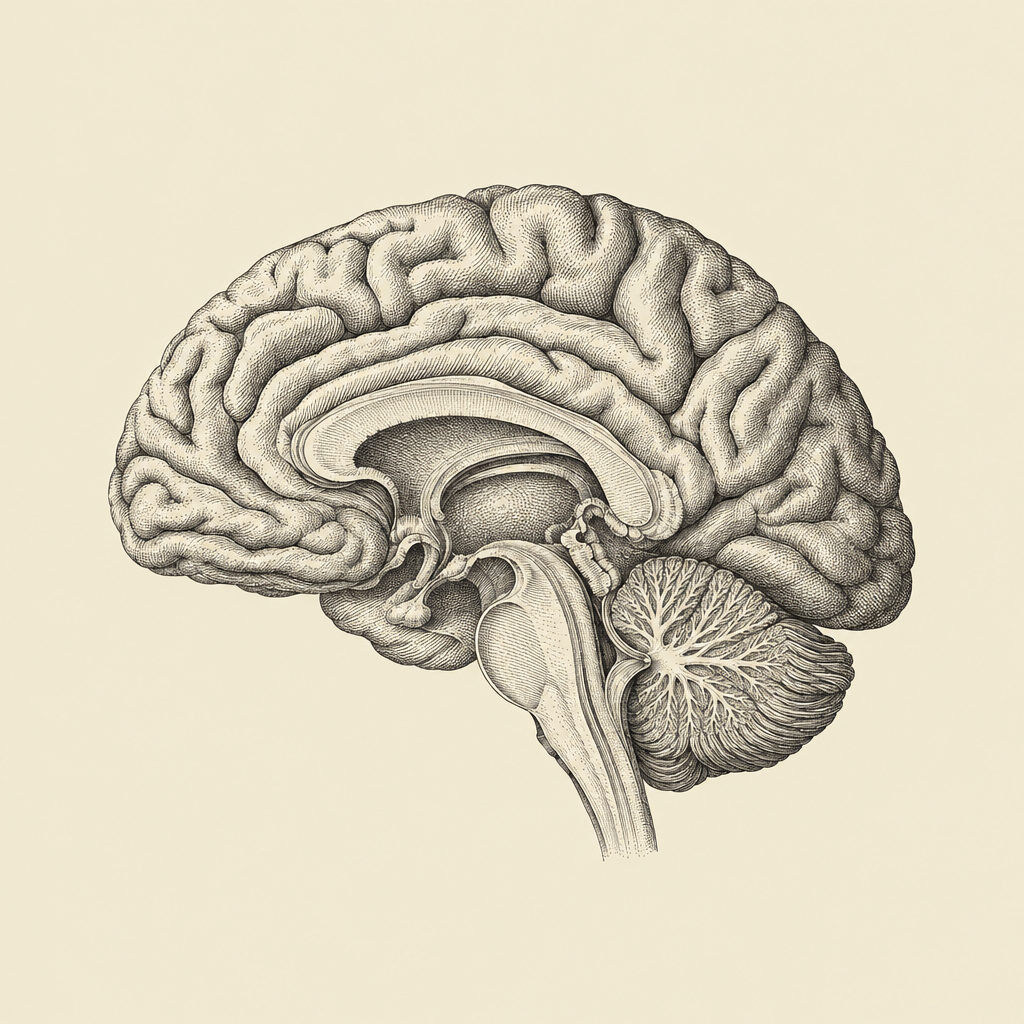
CircuitATLAS reasons over a knowledge graph of systems neuroscience, spanning regions, projections, cell types and their disease associations, to propose targets in circuitopathies — disorders where the pathology sits in the wiring rather than in a single gene. The system works as an agent, software that runs multi-step queries on its own, and returns candidates with the chain of evidence attached. Neuropsychiatric target discovery has been among the hardest places for AI to gain traction, and a circuit-level representation is a different bet from the molecule-level ones that dominate.

Read more →
Also Filed · Four Briefs from the queue
Nº 04 bioRxiv Field report

Enrich.AI turns gene set enrichment into a conversation

Enrich.AI runs enrichment interactively letting researchers query gene sets and get biological interpretation back in dialogue rather than as a static table of p-values. Interpretation, long the slowest step after a differential-expression run, becomes iterative instead of one-shot.

Read →
Nº 05 bioRxiv Field report

lisaR relabels gene set categories using an LLM

lisaR rewrites biological category labels using LLM-inferred semantic annotation, attacking the problem that GO terms are frequently too broad or too redundant to interpret cleanly. Where the interactive enrichment platform above adds a conversational layer, this one changes the annotations underneath it.

Read →
Nº 06 Anthropic Field report

Anthropic widens access to its cyber capabilities

Anthropic expanded its Cyber Verification Program giving vetted security professionals access to advanced cyber capabilities and fewer safety-filter blocks. Verified-user carve-outs are becoming the standard way frontier labs handle dual-use domains, which is the template any future biosecurity gating will inherit.

Read →
Nº 07 OpenAI Agents · Infrastructure

OpenAI trains agents on contract work with Ironclad

OpenAI trained agents on contracting workflows with Ironclad, pushing computer use toward professional document work. The same screen-driving skills apply to the regulatory submission and trial-document stacks that still run on click-through software with no API.

Read →

Reply with your discoveries. A human reads them. Forward freely.

Agentic Discovery  ·  Nº 116  ·  08 Oct 2026

Editor's Note

Big money for simulated cells, plus two different agents arguing over what your gene list actually means.


Nº 01 · The Lede  —  Axios  —  Cell biology · Funding

Biohub, Google and the U.S. build a virtual cell

Biohub, Google and the U.S. build a virtual cell

Fig. I  Axios · Filed 08 Oct 2026.

Biohub teams with Google and the federal government to generate biological data at a scale large enough to train a model that predicts how cells behave. The goal is running candidate experiments virtually first, so bench time goes only to the ones most likely to work. AI already handles proteins and other individual pieces of biology; a whole living cell is orders of magnitude harder, and the measurements to train on mostly don't exist yet. That data gap, not model design, is what the partnership is built to close. It resets who the reference funder for virtual-cell AI is, and raises the ceiling on what the field can plausibly budget for data generation.

Read the source →

Why it matters

Virtual-cell AI just acquired a federal-scale data pipeline and a hyperscaler behind it, moving the bottleneck from whether anyone will fund the work to whether anyone can measure cells fast enough.


Nº 02  —  arXiv  —  Field report

OFAntibody designs bispecific antibodies from scratch

Fig. II  arXiv · Filed 08 Oct 2026.

OFAntibody designs bispecific antibodies from scratch

OFAntibody generates antibodies de novo covering both conventional monoclonals and bispecifics, formats that until now have mostly come out of immunization campaigns or display-library screens. The preprint, from a group publishing as the Valhalla Team, puts both modalities inside one design system rather than treating the bispecific as a downstream engineering problem. Computational antibody design has lagged well behind de novo design of small binders — pulling bispecifics into generative design moves the frontier of what can be proposed in silico before a single panning round.

Read more →


Nº 03  —  arXiv  —  Drug discovery · Computational

CircuitATLAS searches a brain-circuit map for drug targets

Fig. III  arXiv · Filed 08 Oct 2026.

CircuitATLAS searches a brain-circuit map for drug targets

CircuitATLAS reasons over a knowledge graph of systems neuroscience, spanning regions, projections, cell types and their disease associations, to propose targets in circuitopathies — disorders where the pathology sits in the wiring rather than in a single gene. The system works as an agent, software that runs multi-step queries on its own, and returns candidates with the chain of evidence attached. Neuropsychiatric target discovery has been among the hardest places for AI to gain traction, and a circuit-level representation is a different bet from the molecule-level ones that dominate.

Read more →


Also Filed  ·  Four Briefs from the queue

Nº 04  —  bioRxiv  —  Field report

Enrich.AI turns gene set enrichment into a conversation

Enrich.AI runs enrichment interactively letting researchers query gene sets and get biological interpretation back in dialogue rather than as a static table of p-values. Interpretation, long the slowest step after a differential-expression run, becomes iterative instead of one-shot.

Read →

Nº 05  —  bioRxiv  —  Field report

lisaR relabels gene set categories using an LLM

lisaR rewrites biological category labels using LLM-inferred semantic annotation, attacking the problem that GO terms are frequently too broad or too redundant to interpret cleanly. Where the interactive enrichment platform above adds a conversational layer, this one changes the annotations underneath it.

Read →

Nº 06  —  Anthropic  —  Field report

Anthropic widens access to its cyber capabilities

Anthropic expanded its Cyber Verification Program giving vetted security professionals access to advanced cyber capabilities and fewer safety-filter blocks. Verified-user carve-outs are becoming the standard way frontier labs handle dual-use domains, which is the template any future biosecurity gating will inherit.

Read →

Nº 07  —  OpenAI  —  Agents · Infrastructure

OpenAI trains agents on contract work with Ironclad

OpenAI trained agents on contracting workflows with Ironclad, pushing computer use toward professional document work. The same screen-driving skills apply to the regulatory submission and trial-document stacks that still run on click-through software with no API.

Read →


· · ·

Reply with your discoveries. A human reads them. Forward freely.