
5 min read

Agents get graded on research-grade biology

Agents get graded on research-grade biology
Nº 01 · The Lede arXiv Agents · Infrastructure

BioXArena-Pro tests AI agents on biomedical modelling

BioXArena-Pro tests AI agents on biomedical modelling
Fig. IarXiv · Filed 11 Nov 2026.

A research-grade benchmark for agents that do biomedical machine learning on their own arrived on arXiv this week as BioXArena-Pro. These agents are software that carries out multi-step work without a person directing each step, and here that work is building and evaluating predictive models from biomedical data. A benchmark is a shared test. Every agent gets the same tasks under the same rules, so scores from different groups can be compared directly instead of taken on trust. The authors call this one research grade, which sets the bar at real biomedical modelling rather than practice problems, and the preprint is designed to measure whether agents clear it.
Read the source →

Pyrite builds and tests AI agents that rank ligand poses
Fig. IIarXiv · Filed 11 Nov 2026.
Nº 02 arXiv Agents · Infrastructure

Pyrite builds and tests AI agents that rank ligand poses

Agents rank docking poses in Pyrite, an arXiv preprint that builds such agents and then benchmarks them. Pose ranking is the step after a docking run where many candidate geometries are sorted to find the one that matches how the ligand actually binds. That call has long relied on scoring functions and a chemist's judgment. Since the authors built both the agents and the test, the preprint reports how well the agents rank poses as well as how they are built.
Read more →
ANA agents seek autism fMRI markers across scan sites
Fig. IIIbioRxiv · Filed 11 Nov 2026.
Nº 03 bioRxiv Agents · Infrastructure

ANA agents seek autism fMRI markers across scan sites

Agents tackle autism fMRI in ANA (ASD Neuro Agentic), a framework with two aims described in a bioRxiv preprint. The first is finding which imaging features distinguish autistic participants. The second is keeping a classifier accurate when it moves between scanning sites. Cross-site accuracy is the long-standing weak point of autism imaging classifiers, which often do well at the site that trained them and fall off elsewhere. ANA hands the feature search to agents, and its cross-site results show whether that choice works.

Read more →
Also Filed · Two Briefs from the queue
Nº 04 bioRxiv Cell biology · Funding

LingoCell explains gene perturbations in plain language

LingoCell interprets gene perturbations through natural language and tissue niches, according to a new bioRxiv preprint. The approach ties a perturbation's effect to the tissue neighbourhood around the cell and describes it in words.

Read →
Nº 05 Anthropic Field report

Claude designs three electronic prototypes that work

Anthropic had its AI model Claude design a speakerphone, a voice-assistant hub and a handheld virtual pet from start to finish. All three prototypes worked without any fixes to their circuitry.

Read →

Reply with your discoveries. A human reads them. Forward freely.

Agentic Discovery  ·  Nº 140  ·  11 Nov 2026

Editor's Note

Two new tests for AI agents today, plus one agent that designed a working handheld virtual pet.


Nº 01 · The Lede  —  arXiv  —  Agents · Infrastructure

BioXArena-Pro tests AI agents on biomedical modelling

BioXArena-Pro tests AI agents on biomedical modelling

Fig. I  arXiv · Filed 11 Nov 2026.

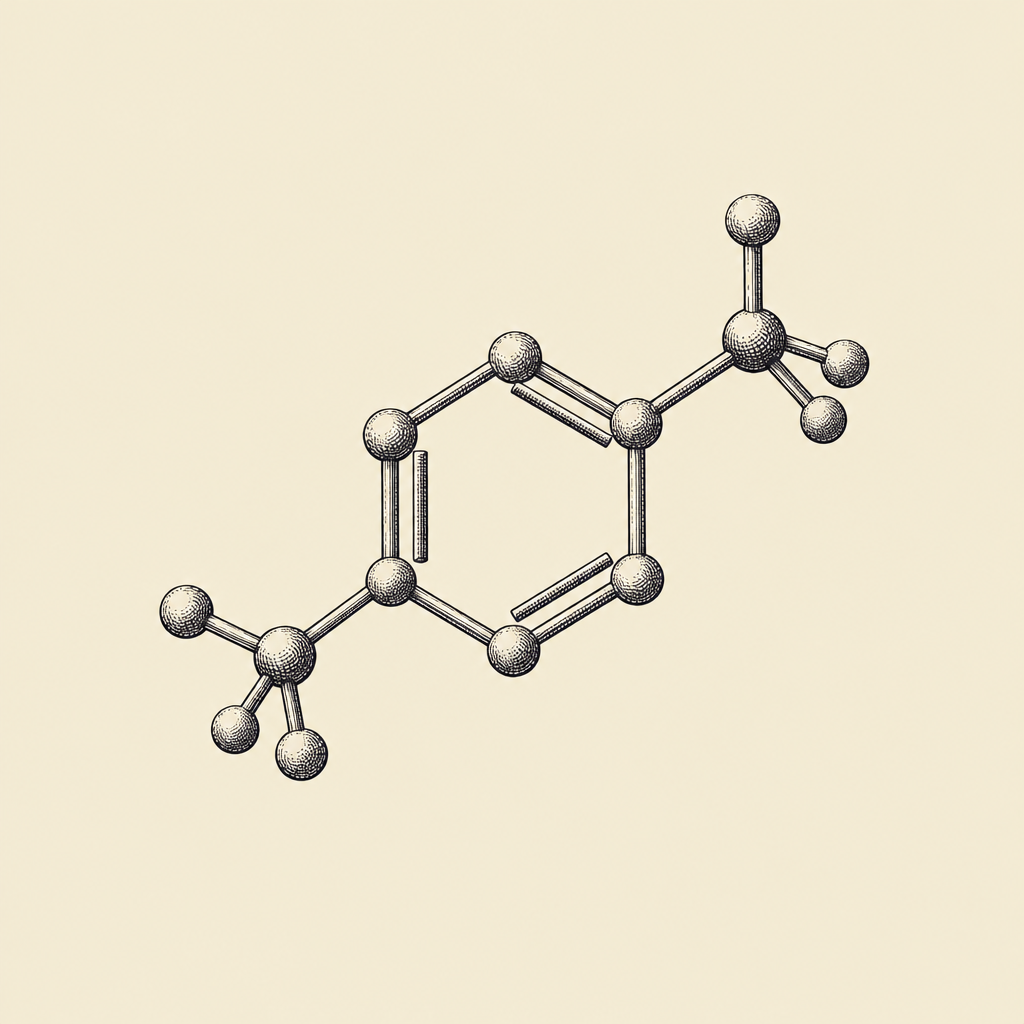
A research-grade benchmark for agents that do biomedical machine learning on their own arrived on arXiv this week as BioXArena-Pro. These agents are software that carries out multi-step work without a person directing each step, and here that work is building and evaluating predictive models from biomedical data. A benchmark is a shared test. Every agent gets the same tasks under the same rules, so scores from different groups can be compared directly instead of taken on trust. The authors call this one research grade, which sets the bar at real biomedical modelling rather than practice problems, and the preprint is designed to measure whether agents clear it.

Read the source →

Why it matters

Agents that build biomedical models on their own now have a shared test pitched at research level, so claims about them can be checked on common tasks instead of hand-picked demos.


Nº 02  —  arXiv  —  Agents · Infrastructure

Pyrite builds and tests AI agents that rank ligand poses

Fig. II  arXiv · Filed 11 Nov 2026.

Pyrite builds and tests AI agents that rank ligand poses

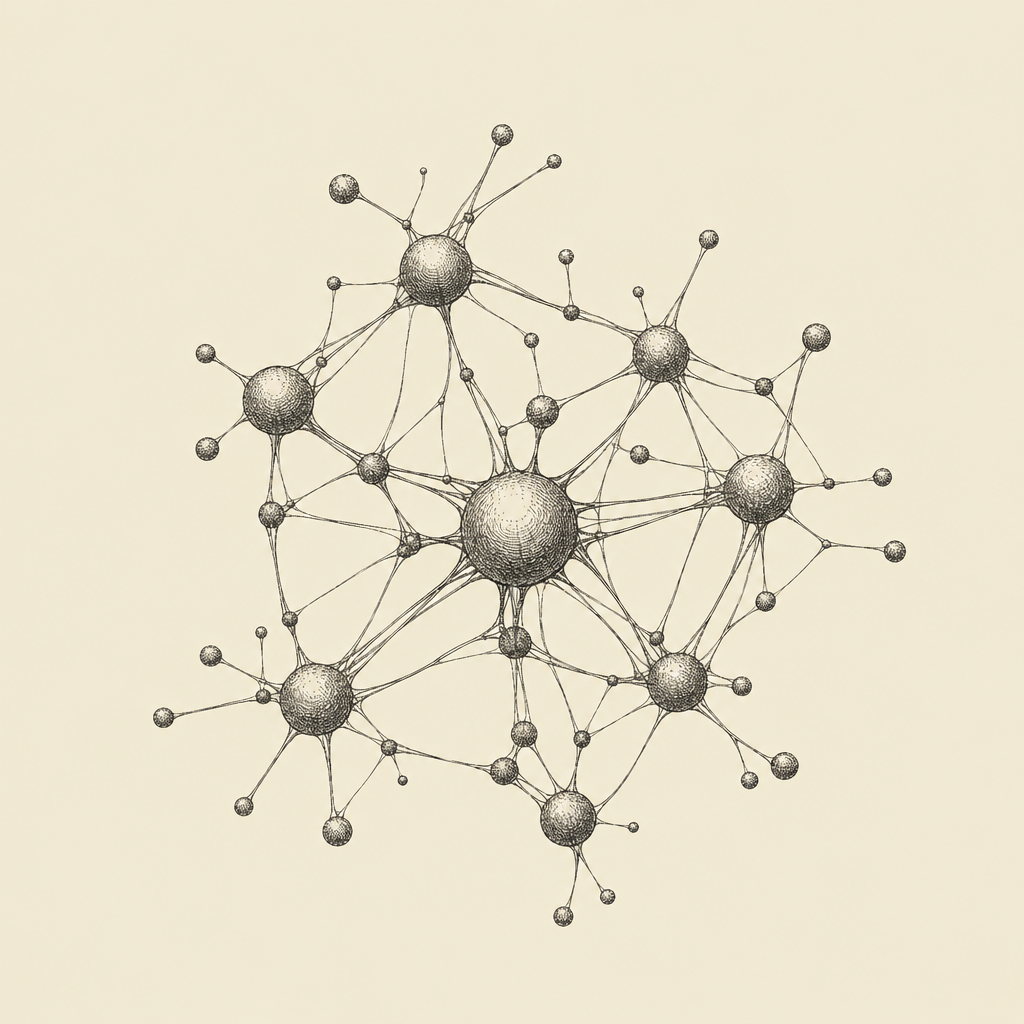
Agents rank docking poses in Pyrite, an arXiv preprint that builds such agents and then benchmarks them. Pose ranking is the step after a docking run where many candidate geometries are sorted to find the one that matches how the ligand actually binds. That call has long relied on scoring functions and a chemist's judgment. Since the authors built both the agents and the test, the preprint reports how well the agents rank poses as well as how they are built.

Read more →


Nº 03  —  bioRxiv  —  Agents · Infrastructure

ANA agents seek autism fMRI markers across scan sites

Fig. III  bioRxiv · Filed 11 Nov 2026.

ANA agents seek autism fMRI markers across scan sites

Agents tackle autism fMRI in ANA (ASD Neuro Agentic), a framework with two aims described in a bioRxiv preprint. The first is finding which imaging features distinguish autistic participants. The second is keeping a classifier accurate when it moves between scanning sites. Cross-site accuracy is the long-standing weak point of autism imaging classifiers, which often do well at the site that trained them and fall off elsewhere. ANA hands the feature search to agents, and its cross-site results show whether that choice works.

Read more →


Also Filed  ·  Two Briefs from the queue

Nº 04  —  bioRxiv  —  Cell biology · Funding

LingoCell explains gene perturbations in plain language

LingoCell interprets gene perturbations through natural language and tissue niches, according to a new bioRxiv preprint. The approach ties a perturbation's effect to the tissue neighbourhood around the cell and describes it in words.

Read →

Nº 05  —  Anthropic  —  Field report

Claude designs three electronic prototypes that work

Anthropic had its AI model Claude design a speakerphone, a voice-assistant hub and a handheld virtual pet from start to finish. All three prototypes worked without any fixes to their circuitry.

Read →


· · ·

Reply with your discoveries. A human reads them. Forward freely.