
4 min read

Agents wire up the lab stack

Agents wire up the lab stack
Nº 01 · The Lede bioRxiv Agents · Infrastructure

Local-first RAG layer for bio agents

Local-first RAG layer for bio agents
Fig. IbioRxiv · Filed 22 May 2026.

BioRAG-DRAG ships a multimodal retrieval layer (RAG — retrieval-augmented generation, the standard pattern for letting agents look things up before answering) built for biomedical agents running on local hardware rather than cloud APIs. The system indexes text, images, and structured records together, so an agent querying a pathway question can pull figures and tables alongside prose. Local-first matters here because clinical and proprietary data often can't leave the building — and most off-the-shelf RAG stacks assume an OpenAI endpoint on the other end.
Read the source

Agentic system for nanopore analysis
Fig. IIbioRxiv · Filed 22 May 2026.
Nº 02 bioRxiv Agents · Infrastructure

Agentic system for nanopore analysis

NanoCortex unifies nanopore sequencing analysis under a single agentic system, chaining basecalling, alignment, variant calling, and downstream interpretation that today usually live in separate scripts. Long-read sequencing has been waiting for this kind of glue — the tooling exists but the handoffs between steps are where most labs burn hours. Adjacent to the local-first push in #1.

Read more
When multi-agent setups actually help
Fig. IIIarXiv · Filed 22 May 2026.
Nº 03 arXiv Agents · Infrastructure

When multi-agent setups actually help

Coordinated agents help scientific inference from partial evidence — but only on specific task shapes, according to a new cross-domain benchmark. The paper maps when multi-agent coordination beats a single strong model and when it just adds latency and cost, anchoring a reference point for a debate that until now has run on vibes.

Read more
Also Filed · One Brief from the queue
Nº 04 arXiv Field report

Containerized AI for early sepsis

SepsisAI Orchestrator packages real-time sepsis-detection models into a containerized platform built for hospital deployment. Production-grade plumbing — not new models — is where clinical AI keeps stalling, and this raises the floor for what an ICU-facing AI deployment should ship with.

Read

Reply with your discoveries. A human reads them. Forward freely.

Agentic Discovery  ·  Nº 21  ·  22 May 2026

Editor's Note

Four papers, one theme: agents are quietly being plumbed into the everyday infrastructure of biology — retrieval, sequencing, inference, and the ICU.


Nº 01 · The Lede  —  bioRxiv  —  Agents · Infrastructure

Local-first RAG layer for bio agents

Local-first RAG layer for bio agents

Fig. I  bioRxiv · Filed 22 May 2026.

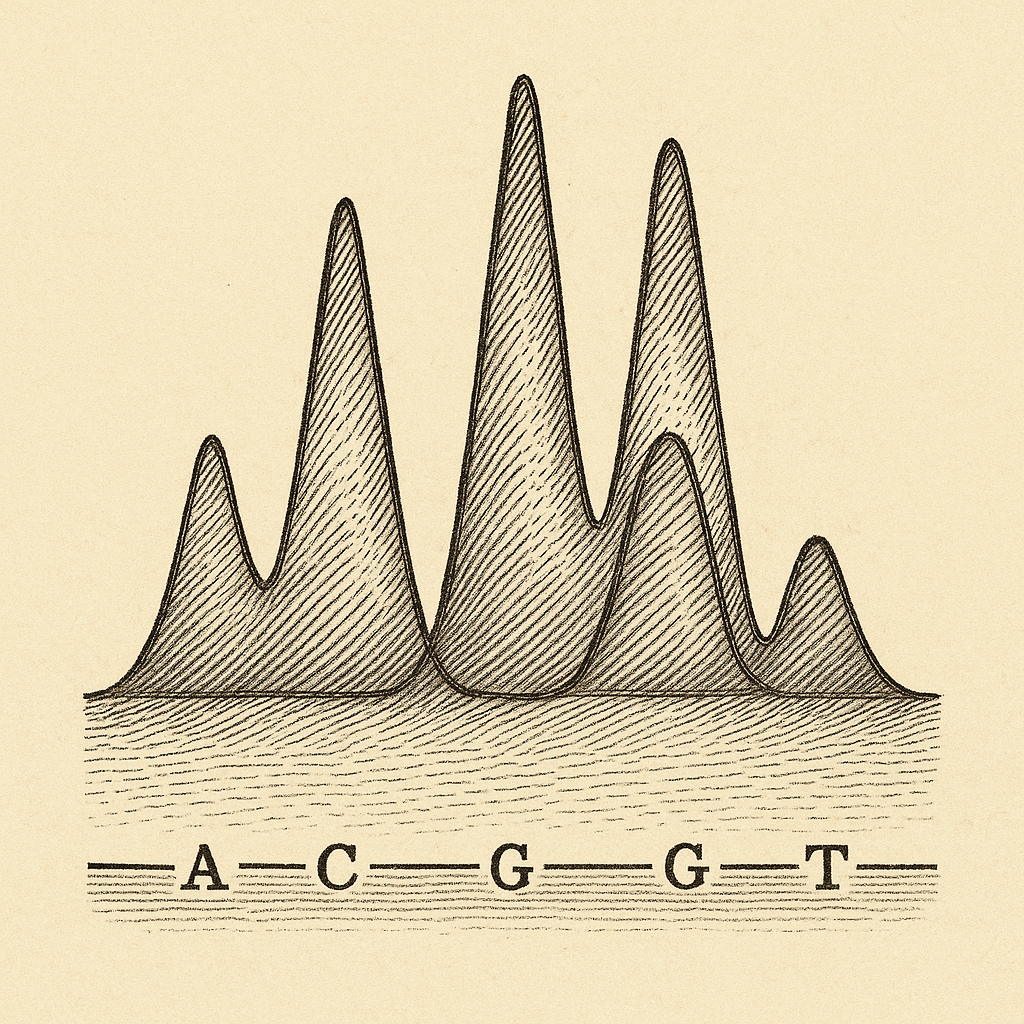
BioRAG-DRAG ships a multimodal retrieval layer (RAG — retrieval-augmented generation, the standard pattern for letting agents look things up before answering) built for biomedical agents running on local hardware rather than cloud APIs. The system indexes text, images, and structured records together, so an agent querying a pathway question can pull figures and tables alongside prose. Local-first matters here because clinical and proprietary data often can't leave the building — and most off-the-shelf RAG stacks assume an OpenAI endpoint on the other end.

Read the source →

Why it matters

Moves biomedical agents from demo-on-cloud to deployable-on-premises, removing the single biggest blocker for hospitals, pharma, and core facilities that have watched the agent wave from the sidelines because their data can't leave the firewall.


Nº 02  —  bioRxiv  —  Agents · Infrastructure

Agentic system for nanopore analysis

Fig. II  bioRxiv · Filed 22 May 2026.

Agentic system for nanopore analysis

NanoCortex unifies nanopore sequencing analysis under a single agentic system, chaining basecalling, alignment, variant calling, and downstream interpretation that today usually live in separate scripts. Long-read sequencing has been waiting for this kind of glue — the tooling exists but the handoffs between steps are where most labs burn hours. Adjacent to the local-first push in #1.

Read more →


Nº 03  —  arXiv  —  Agents · Infrastructure

When multi-agent setups actually help

Fig. III  arXiv · Filed 22 May 2026.

When multi-agent setups actually help

Coordinated agents help scientific inference from partial evidence — but only on specific task shapes, according to a new cross-domain benchmark. The paper maps when multi-agent coordination beats a single strong model and when it just adds latency and cost, anchoring a reference point for a debate that until now has run on vibes.

Read more →


Also Filed  ·  One Brief from the queue

Nº 04  —  arXiv  —  Field report

Containerized AI for early sepsis

SepsisAI Orchestrator packages real-time sepsis-detection models into a containerized platform built for hospital deployment. Production-grade plumbing — not new models — is where clinical AI keeps stalling, and this raises the floor for what an ICU-facing AI deployment should ship with.

Read →


· · ·

Reply with your discoveries. A human reads them. Forward freely.