
5 min read

An AI scientist for omics arrives
An AI scientist for omics arrives
Nº 01 · The Lede bioRxiv Field report

AI scientist tackles omics end-to-end

AI scientist tackles omics end-to-end
Fig. IbioRxiv · Filed 21 May 2026.

OmniCellAgent runs full omics discovery loops in a new bioRxiv preprint, chaining hypothesis generation, dataset selection, single-cell and bulk analysis, and figure-ready outputs inside one agent. The system pairs an LLM controller with a curated library of omics tools, handling tasks that previously required hand-off between a bioinformatician and a PI. First generally-applicable agent result for omics-driven discovery after a year of narrow demos — moves the question from 'can agents do scRNA-seq?' to 'which omics workflows still need humans in the loop?'
Read the source

Inspectable memory for reaction planning
Fig. IIarXiv · Filed 21 May 2026.
Nº 02 arXiv Field report

Inspectable memory for reaction planning

HiRes gives chemistry agents an auditable precedent memory for recommending reaction conditions, letting users see which prior reactions drove a suggestion instead of trusting a black-box pick. Moves retrieval-augmented chemistry agents (which pull from a literature corpus at inference time) toward production-grade reliability, where 'why this solvent?' has to have a traceable answer before a synthesis chemist commits.

Read more
Zero-shot LLM cracks DIA mass spec
Fig. IIIbioRxiv · Filed 21 May 2026.
Nº 03 bioRxiv Field report

Zero-shot LLM cracks DIA mass spec

ChatDIA analyzes data-independent acquisition proteomics with no task-specific fine-tuning, using an off-the-shelf LLM workflow to do targeted peptide analysis. Narrows the gap between general LLMs and specialty mass-spec software — proteomics joins the growing list of analytical workflows where a zero-shot agent now clears the bar that used to require a dedicated tool.

Read more
Also Filed · Two Briefs from the queue
Nº 04 arXiv Field report

Antibody CDR design gets a PLM

EvoStruct adapts protein language models for antibody CDR design by fusing evolutionary signal with structural priors. Advances antibody-engineering AI past the sequence-only era, where most published designs ignored geometry.

Read
Nº 05 OpenAI Field report

Sea deploys Codex across engineering

Sea Limited's CPO is rolling out OpenAI's Codex (the coding agent inside ChatGPT and the API) across engineering teams to accelerate AI-native development across Southeast Asia. Signals that agent-driven coding is moving from pilot to default at scale in Asian tech — adjacent to the agent-platform shifts shaping what biology labs can deploy next.

Read

Reply with your discoveries. A human reads them. Forward freely.

Agentic Discovery  ·  Nº 20  ·  21 May 2026

Editor's Note

Five stories, one theme: agents are getting specific — omics, chemistry, mass spec, antibodies, and code each got their own this week.


Nº 01 · The Lede  —  bioRxiv  —  Field report

AI scientist tackles omics end-to-end

AI scientist tackles omics end-to-end

Fig. I  bioRxiv · Filed 21 May 2026.

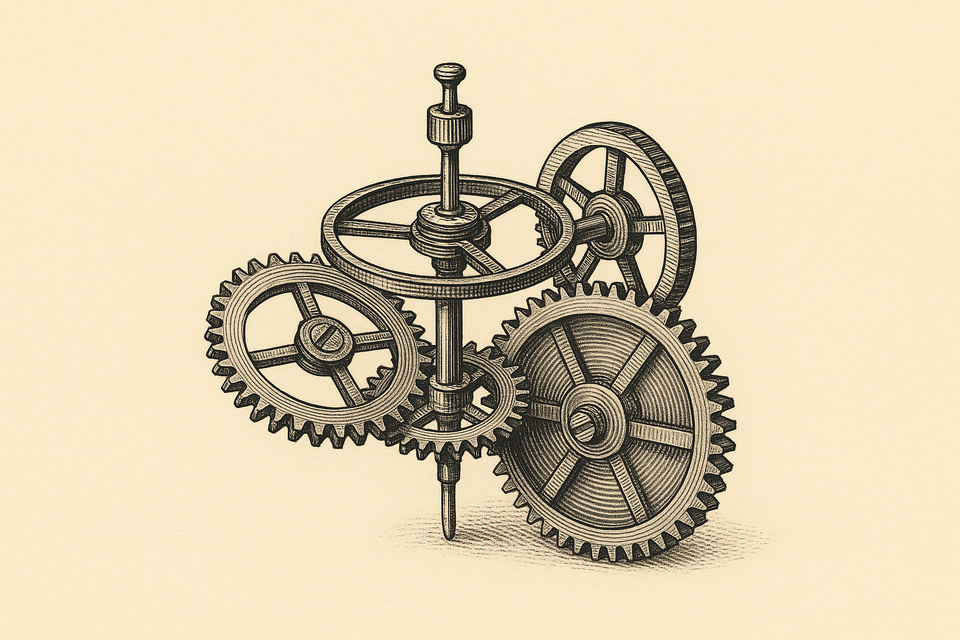
OmniCellAgent runs full omics discovery loops in a new bioRxiv preprint, chaining hypothesis generation, dataset selection, single-cell and bulk analysis, and figure-ready outputs inside one agent. The system pairs an LLM controller with a curated library of omics tools, handling tasks that previously required hand-off between a bioinformatician and a PI. First generally-applicable agent result for omics-driven discovery after a year of narrow demos — moves the question from 'can agents do scRNA-seq?' to 'which omics workflows still need humans in the loop?'

Read the source →

Why it matters

Resets the reference ceiling for what one agent can own in a discovery pipeline; vendors pitching single-task omics copilots now have to answer why their tool doesn't close the loop the way OmniCellAgent does.


Nº 02  —  arXiv  —  Field report

Inspectable memory for reaction planning

Fig. II  arXiv · Filed 21 May 2026.

Inspectable memory for reaction planning

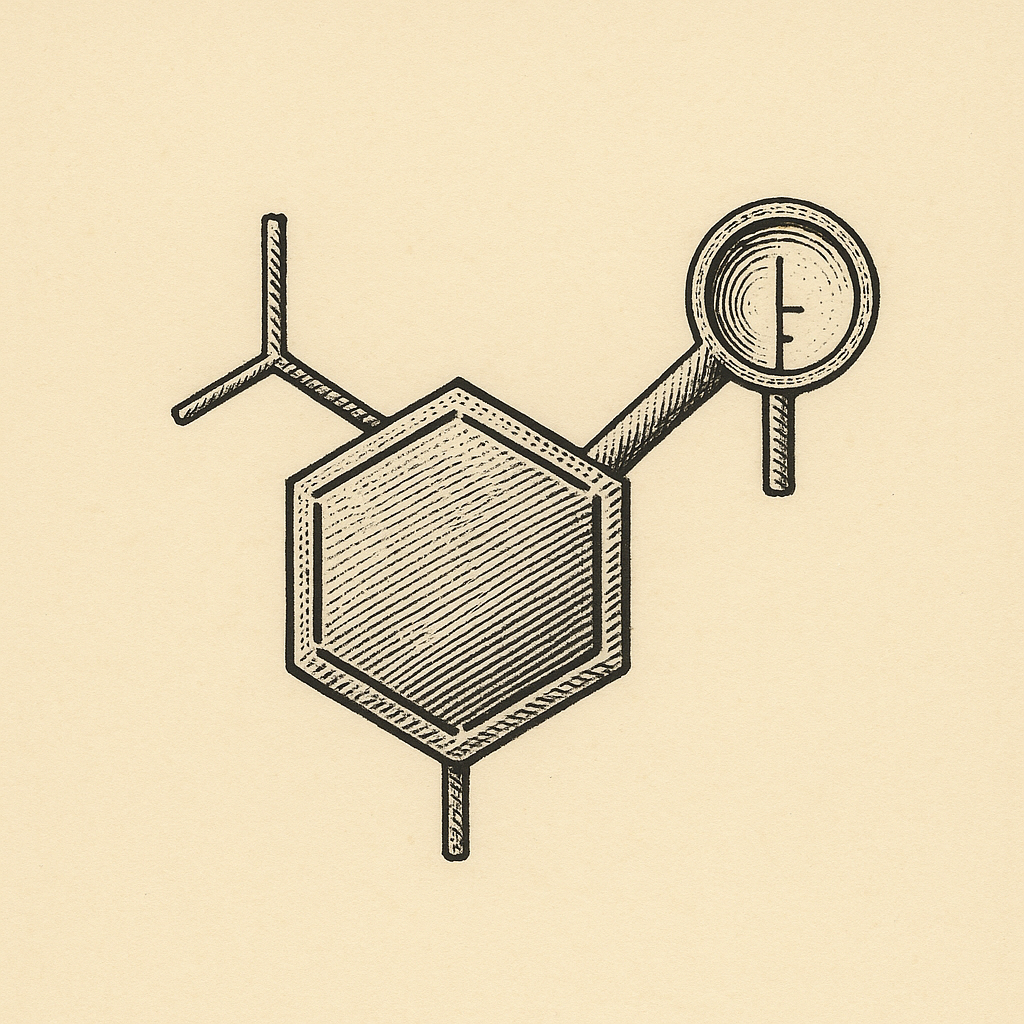
HiRes gives chemistry agents an auditable precedent memory for recommending reaction conditions, letting users see which prior reactions drove a suggestion instead of trusting a black-box pick. Moves retrieval-augmented chemistry agents (which pull from a literature corpus at inference time) toward production-grade reliability, where 'why this solvent?' has to have a traceable answer before a synthesis chemist commits.

Read more →


Nº 03  —  bioRxiv  —  Field report

Zero-shot LLM cracks DIA mass spec

Fig. III  bioRxiv · Filed 21 May 2026.

Zero-shot LLM cracks DIA mass spec

ChatDIA analyzes data-independent acquisition proteomics with no task-specific fine-tuning, using an off-the-shelf LLM workflow to do targeted peptide analysis. Narrows the gap between general LLMs and specialty mass-spec software — proteomics joins the growing list of analytical workflows where a zero-shot agent now clears the bar that used to require a dedicated tool.

Read more →


Also Filed  ·  Two Briefs from the queue

Nº 04  —  arXiv  —  Field report

Antibody CDR design gets a PLM

EvoStruct adapts protein language models for antibody CDR design by fusing evolutionary signal with structural priors. Advances antibody-engineering AI past the sequence-only era, where most published designs ignored geometry.

Read →

Nº 05  —  OpenAI  —  Field report

Sea deploys Codex across engineering

Sea Limited's CPO is rolling out OpenAI's Codex (the coding agent inside ChatGPT and the API) across engineering teams to accelerate AI-native development across Southeast Asia. Signals that agent-driven coding is moving from pilot to default at scale in Asian tech — adjacent to the agent-platform shifts shaping what biology labs can deploy next.

Read →


· · ·

Reply with your discoveries. A human reads them. Forward freely.