
5 min read

AI agents get a wet-lab exam
AI agents get a wet-lab exam
Nº 01 · The Lede OpenAI Agents · Infrastructure

OpenAI tests AI agents on everyday wet-lab science
OpenAI tests AI agents on everyday wet-lab science
Fig. IOpenAI · Filed 09 Nov 2026.

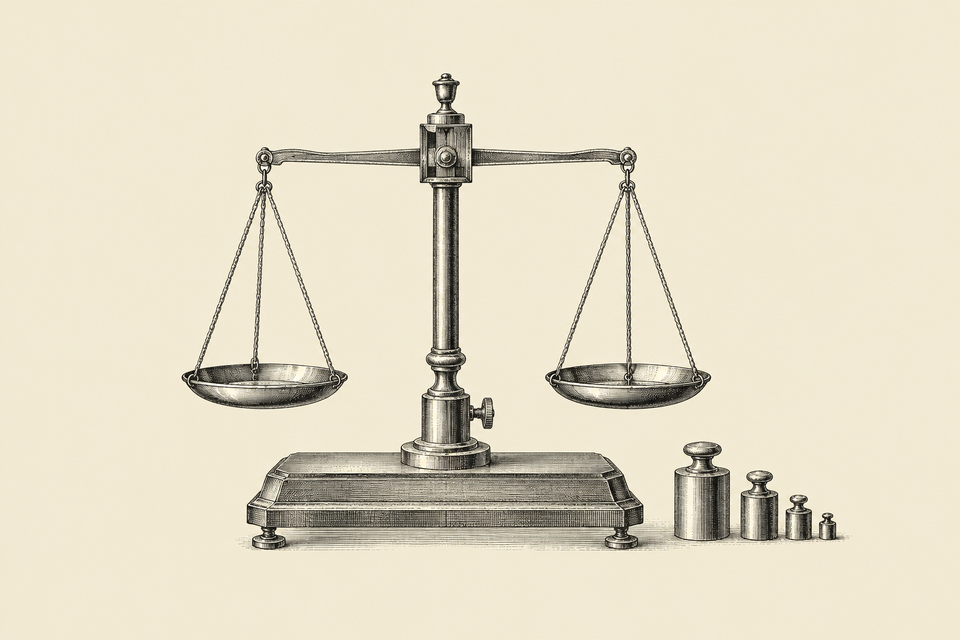
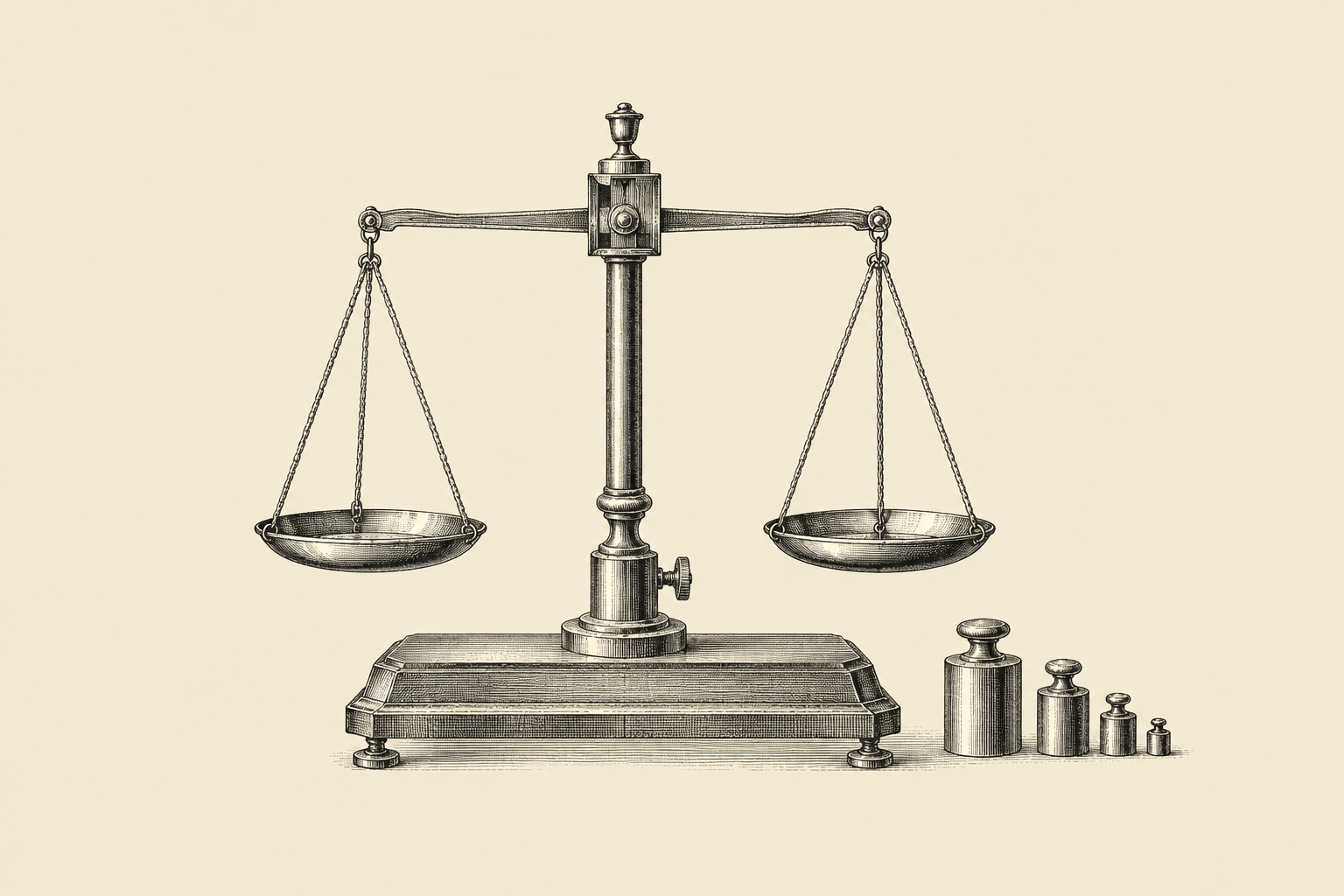
OpenAI released BioBasicsBench, a benchmark (a shared test that scores different AI systems the same way) of 100 tasks on how well AI agents handle everyday wet-lab science. Agents here are AI systems that carry out multi-step jobs on their own, and these tasks ask them to interpret raw experimental data, the kind of output a working lab produces all the time. Many earlier biology tests for language models were built from textbook- or exam-style questions with clean, checkable answers. Raw data is messier, and much closer to what an agent would face if it were handed a real experiment to read.
Read the source →

AI agent calls cell types before segmenting cells
Fig. IIbioRxiv · Filed 09 Nov 2026.
Nº 02 bioRxiv Cell biology · Funding

AI agent calls cell types before segmenting cells

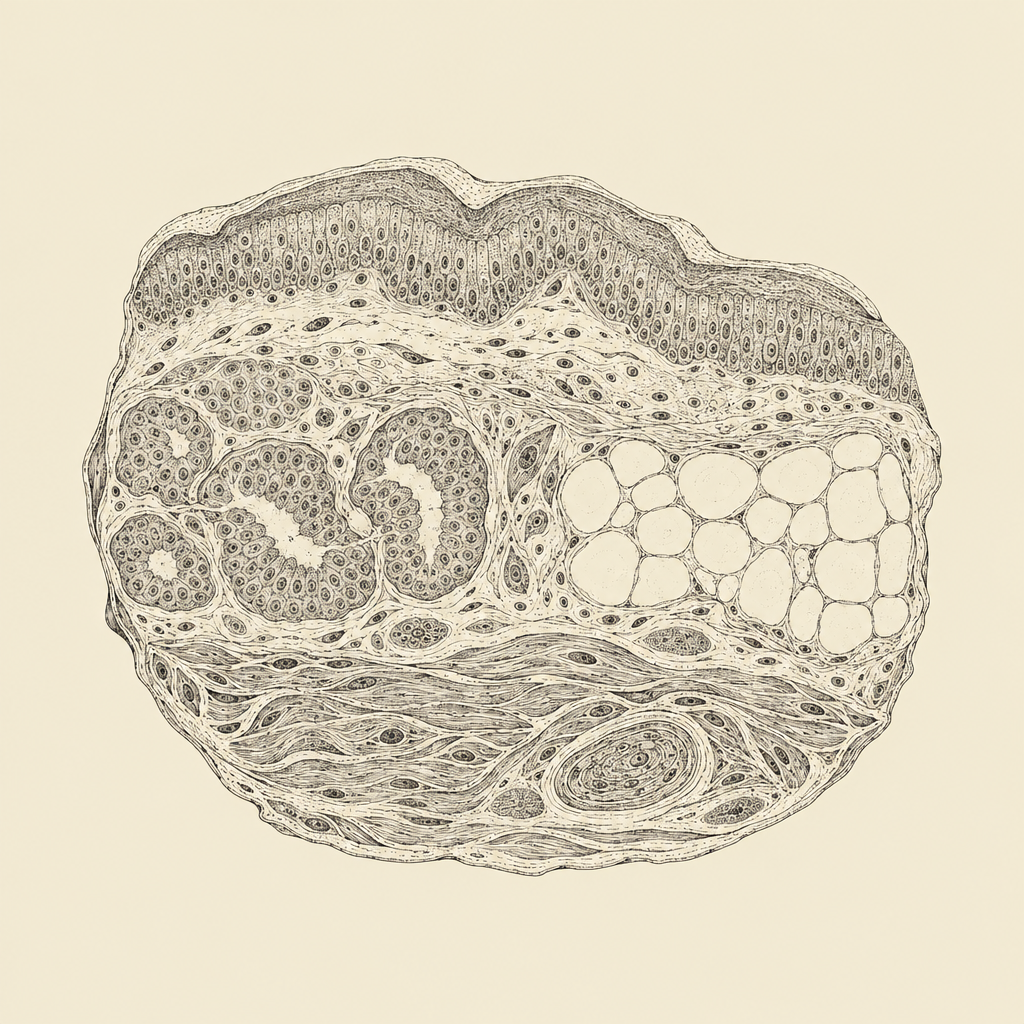
An AI agent skips segmentation in spatial transcriptomics, inferring cell types directly from the data without first drawing cell boundaries, according to a bioRxiv preprint. The same system also works in the other direction, using those cell-type calls to guide segmentation. Boundary-drawing is a weak point we've tracked in most spatial workflows, and its errors carry straight into every downstream cell-type assignment.
Read more →
AI model predicts and redesigns how proteins read DNA
Fig. IIIbioRxiv · Filed 09 Nov 2026.
Nº 03 bioRxiv Structural biology · Protein design

AI model predicts and redesigns how proteins read DNA

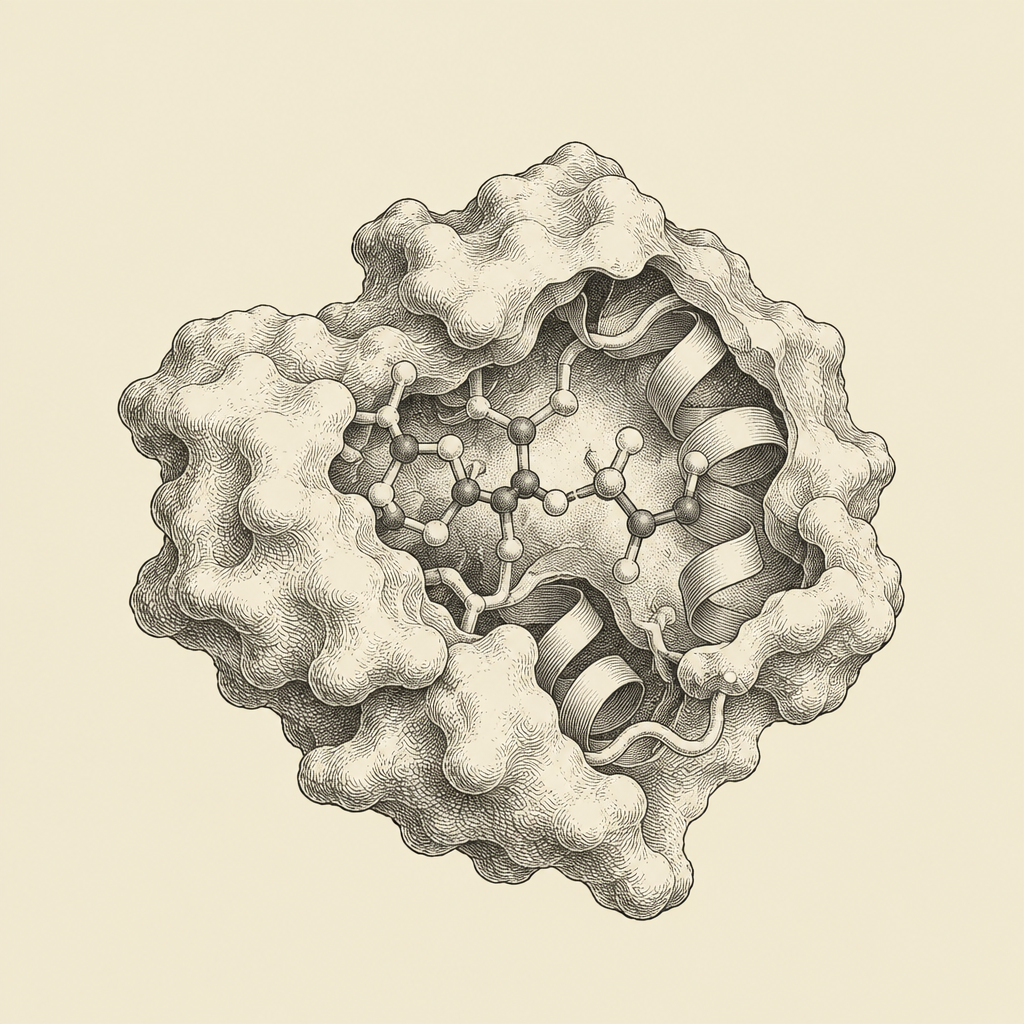
A joint prot7ein-DNA model predicts which DNA sequences a protein will bind, and then designs proteins to recognize chosen targets. It trains on protein and DNA sequence together, rather than modeling either side alone. Engineered recognition specificity is the core of editors, synthetic transcription factors and designed repressors, where today most reprogramming is still done by directed evolution or structure-guided mutation.

Read more →
Also Filed · Three Briefs from the queue
Nº 04 arXiv Agents · Infrastructure

RIVER sends multiple agents hunting enzyme-reaction pairs

RIVER matches enzymes to reactions using several agents that search in parallel and have to back each proposed pairing with retrieved evidence rather than simply asserting it. Public databases cover enzyme-reaction annotation thinly, which is exactly where unsupported model guesses do the most damage.

Read →
Nº 05 arXiv Field report

NPCBench scores AI on a full cancer care pathway

NPCBench tests models across the whole nasopharyngeal carcinoma care pathway, using imaging and text together rather than isolated diagnostic questions. Framing it as an apprenticeship means grading the sequence of decisions a trainee would make, not single answers.

Read →
Nº 06 Anthropic Field report

Anthropic grantees describe AI building scientific models

Anthropic published an essay from its AI for Science grantees Jakob Macke, Daniel Gedon and Stefan Wahl on how AI is changing the way scientific models get built and interpreted, as opposed to how data gets analyzed.

Read →

Reply with your discoveries. A human reads them. Forward freely.

Agentic Discovery  ·  Nº 138  ·  09 Nov 2026

Editor's Note

OpenAI and Anthropic ended last week writing about AI in the lab; the preprints quietly got on with the work.


Nº 01 · The Lede  —  OpenAI  —  Agents · Infrastructure

OpenAI tests AI agents on everyday wet-lab science

OpenAI tests AI agents on everyday wet-lab science

Fig. I  OpenAI · Filed 09 Nov 2026.

OpenAI released BioBasicsBench, a benchmark (a shared test that scores different AI systems the same way) of 100 tasks on how well AI agents handle everyday wet-lab science. Agents here are AI systems that carry out multi-step jobs on their own, and these tasks ask them to interpret raw experimental data, the kind of output a working lab produces all the time. Many earlier biology tests for language models were built from textbook- or exam-style questions with clean, checkable answers. Raw data is messier, and much closer to what an agent would face if it were handed a real experiment to read.

Read the source →

Why it matters

Claims that an AI agent can do routine lab work can now be checked against a named, 100-task test from a major AI developer, instead of hand-picked demos.


Nº 02  —  bioRxiv  —  Cell biology · Funding

AI agent calls cell types before segmenting cells

Fig. II  bioRxiv · Filed 09 Nov 2026.

AI agent calls cell types before segmenting cells

An AI agent skips segmentation in spatial transcriptomics, inferring cell types directly from the data without first drawing cell boundaries, according to a bioRxiv preprint. The same system also works in the other direction, using those cell-type calls to guide segmentation. Boundary-drawing is a weak point we've tracked in most spatial workflows, and its errors carry straight into every downstream cell-type assignment.

Read more →


Nº 03  —  bioRxiv  —  Structural biology · Protein design

AI model predicts and redesigns how proteins read DNA

Fig. III  bioRxiv · Filed 09 Nov 2026.

AI model predicts and redesigns how proteins read DNA

A joint prot7ein-DNA model predicts which DNA sequences a protein will bind, and then designs proteins to recognize chosen targets. It trains on protein and DNA sequence together, rather than modeling either side alone. Engineered recognition specificity is the core of editors, synthetic transcription factors and designed repressors, where today most reprogramming is still done by directed evolution or structure-guided mutation.

Read more →


Also Filed  ·  Three Briefs from the queue

Nº 04  —  arXiv  —  Agents · Infrastructure

RIVER sends multiple agents hunting enzyme-reaction pairs

RIVER matches enzymes to reactions using several agents that search in parallel and have to back each proposed pairing with retrieved evidence rather than simply asserting it. Public databases cover enzyme-reaction annotation thinly, which is exactly where unsupported model guesses do the most damage.

Read →

Nº 05  —  arXiv  —  Field report

NPCBench scores AI on a full cancer care pathway

NPCBench tests models across the whole nasopharyngeal carcinoma care pathway, using imaging and text together rather than isolated diagnostic questions. Framing it as an apprenticeship means grading the sequence of decisions a trainee would make, not single answers.

Read →

Nº 06  —  Anthropic  —  Field report

Anthropic grantees describe AI building scientific models

Anthropic published an essay from its AI for Science grantees Jakob Macke, Daniel Gedon and Stefan Wahl on how AI is changing the way scientific models get built and interpreted, as opposed to how data gets analyzed.

Read →


· · ·

Reply with your discoveries. A human reads them. Forward freely.