
5 min read

Anthropic starts finding biology itself
Anthropic starts finding biology itself
Nº 01 · The Lede Anthropic Agents · Infrastructure

Anthropic's Claude agents find an unexplained enzyme system
Anthropic's Claude agents find an unexplained enzyme system
Fig. IAnthropic · Filed 24 Sep 2026.

Claude agents found a novel enzyme system whose function is still unknown, in the first results out of Anthropic's new life sciences research lab. That makes an AI vendor an operator in discovery rather than only a supplier of models to the groups doing the discovering, and puts a frontier lab's name on a biological finding instead of a benchmark score. The caveat sits inside the claim: a system has been identified, not a mechanism, and characterization is the part biology will judge. How that validation gets done, and who is credited for it, is now a live question for every group weighing whether to point agents at their own unexplained data.
Read the source →

Audit catches cell models that ignore their own inputs
Fig. IIarXiv · Filed 24 Sep 2026.
Nº 02 arXiv Cell biology · Funding

Audit catches cell models that ignore their own inputs

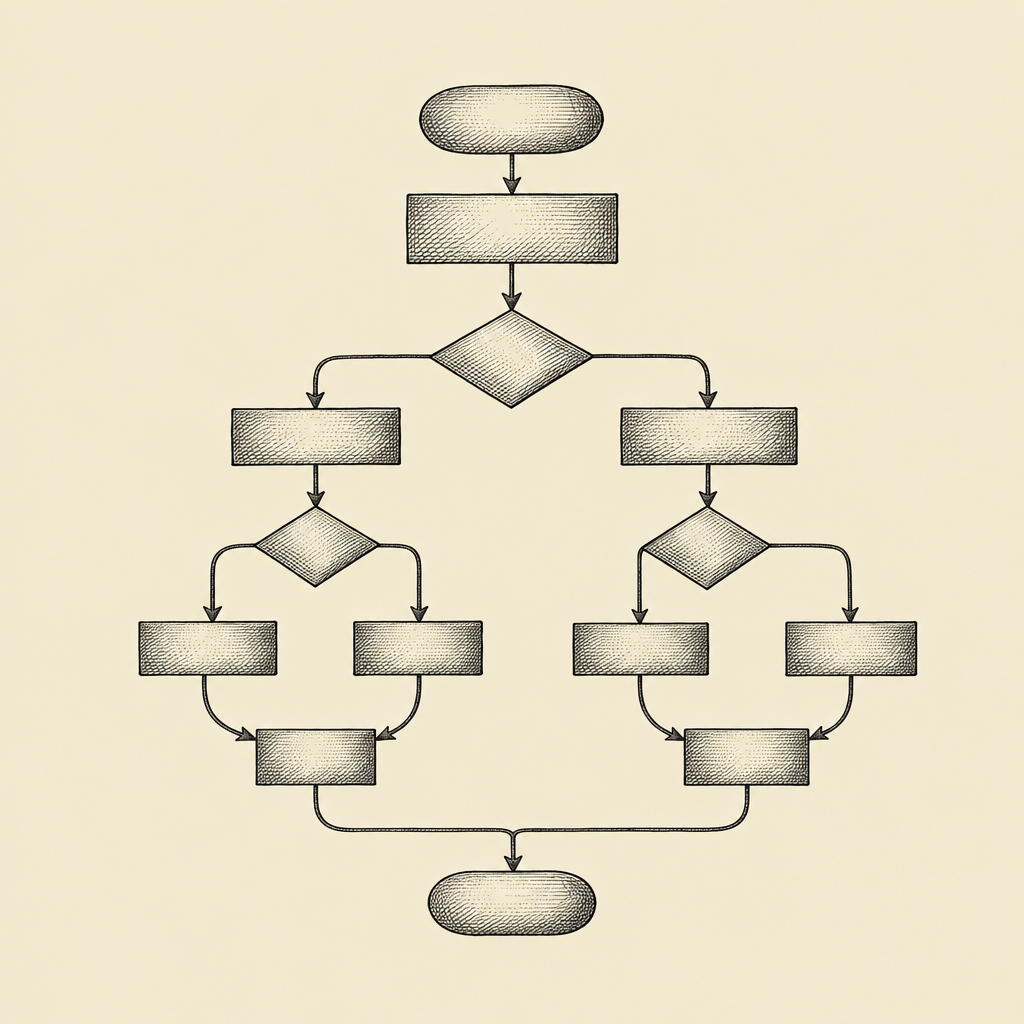
An audit pipeline falsifies input-use claims in cell models that AI agents discovered on their own, tracing each claimed input from the source code down to its measured contribution to prediction, then revising the model where the claim doesn't hold. Agents now write mechanistic models faster than anyone reads the code they produce, and generated code can name a pathway in a comment while ignoring it in the math. Turning that gap into a falsification step makes verification of machine-generated biology a procedure rather than a matter of trust.
Read more →
New model finds hidden drug pockets in unbound proteins
Fig. IIIbioRxiv · Filed 24 Sep 2026.
Nº 03 bioRxiv Drug discovery · Computational

New model finds hidden drug pockets in unbound proteins

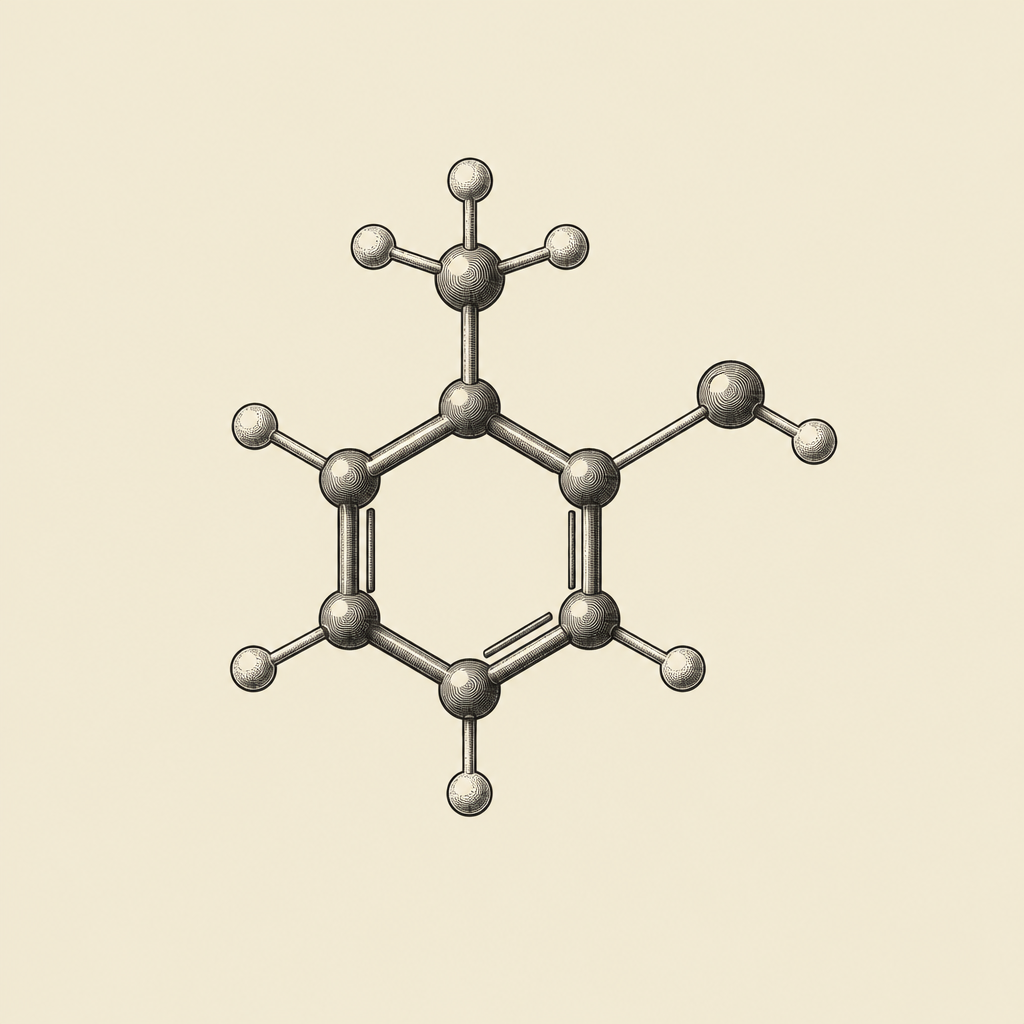
A model finds cryptic pockets in unbound protein structures, predicting binding sites that only open up once something is bound. It works as a world model of molecular organization, meaning it learns how atoms arrange in space rather than scoring a fixed list of pockets. Cryptic pockets are the standing argument that an undruggable target might not be, and hunting them has meant long molecular-dynamics runs or a lucky crystal. Doing it from the apo structure turns that hunt into a screening step and widens which proteins are worth a campaign at all.

Read more →
Also Filed · Two Briefs from the queue
Nº 04 arXiv Field report

EviStreams puts a human check on evidence extraction

EviStreams extracts study data for medical systematic reviews with a human checkpoint at each stage, instead of returning a finished evidence table to be trusted whole. Keeping review-grade extraction auditable is what decides whether AI-assisted evidence synthesis is admissible in guideline work.

Read →
Nº 05 bioRxiv Cell biology · Funding

Generative design programs brain-like circuits into cells

Generative design programs cells to compute like neural circuits, per a new bioRxiv preprint on mammalian cell engineering. Shifting from hand-built genetic circuits to generated ones raises the ceiling on how complex an engineered cellular behavior can be.

Read →

Reply with your discoveries. A human reads them. Forward freely.

Agentic Discovery  ·  Nº 106  ·  24 Sep 2026

Editor's Note

Anthropic stopped selling shovels and started digging; today's other papers ask whether agent-found biology survives an audit.


Nº 01 · The Lede  —  Anthropic  —  Agents · Infrastructure

Anthropic's Claude agents find an unexplained enzyme system

Anthropic's Claude agents find an unexplained enzyme system

Fig. I  Anthropic · Filed 24 Sep 2026.

Claude agents found a novel enzyme system whose function is still unknown, in the first results out of Anthropic's new life sciences research lab. That makes an AI vendor an operator in discovery rather than only a supplier of models to the groups doing the discovering, and puts a frontier lab's name on a biological finding instead of a benchmark score. The caveat sits inside the claim: a system has been identified, not a mechanism, and characterization is the part biology will judge. How that validation gets done, and who is credited for it, is now a live question for every group weighing whether to point agents at their own unexplained data.

Read the source →

Why it matters

Frontier AI labs and bench groups are now competing on the same results board, which moves the field's scoring from model benchmarks to published findings that have to survive characterization.


Nº 02  —  arXiv  —  Cell biology · Funding

Audit catches cell models that ignore their own inputs

Fig. II  arXiv · Filed 24 Sep 2026.

Audit catches cell models that ignore their own inputs

An audit pipeline falsifies input-use claims in cell models that AI agents discovered on their own, tracing each claimed input from the source code down to its measured contribution to prediction, then revising the model where the claim doesn't hold. Agents now write mechanistic models faster than anyone reads the code they produce, and generated code can name a pathway in a comment while ignoring it in the math. Turning that gap into a falsification step makes verification of machine-generated biology a procedure rather than a matter of trust.

Read more →


Nº 03  —  bioRxiv  —  Drug discovery · Computational

New model finds hidden drug pockets in unbound proteins

Fig. III  bioRxiv · Filed 24 Sep 2026.

New model finds hidden drug pockets in unbound proteins

A model finds cryptic pockets in unbound protein structures, predicting binding sites that only open up once something is bound. It works as a world model of molecular organization, meaning it learns how atoms arrange in space rather than scoring a fixed list of pockets. Cryptic pockets are the standing argument that an undruggable target might not be, and hunting them has meant long molecular-dynamics runs or a lucky crystal. Doing it from the apo structure turns that hunt into a screening step and widens which proteins are worth a campaign at all.

Read more →


Also Filed  ·  Two Briefs from the queue

Nº 04  —  arXiv  —  Field report

EviStreams puts a human check on evidence extraction

EviStreams extracts study data for medical systematic reviews with a human checkpoint at each stage, instead of returning a finished evidence table to be trusted whole. Keeping review-grade extraction auditable is what decides whether AI-assisted evidence synthesis is admissible in guideline work.

Read →

Nº 05  —  bioRxiv  —  Cell biology · Funding

Generative design programs brain-like circuits into cells

Generative design programs cells to compute like neural circuits, per a new bioRxiv preprint on mammalian cell engineering. Shifting from hand-built genetic circuits to generated ones raises the ceiling on how complex an engineered cellular behavior can be.

Read →


· · ·

Reply with your discoveries. A human reads them. Forward freely.