
6 min read

AI protein design faces the wet lab
AI protein design faces the wet lab
Nº 01 · The Lede X Structural biology · Protein design

Anthropic and Adaptyv will test 5,000 designed proteins
Anthropic and Adaptyv will test 5,000 designed proteins
Fig. IX · Filed 23 Sep 2026.

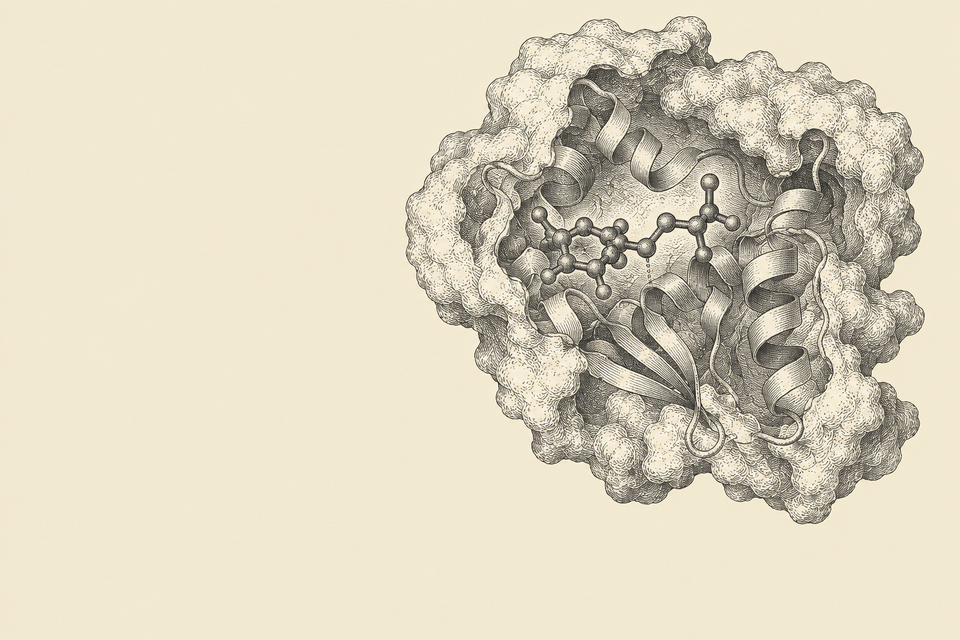
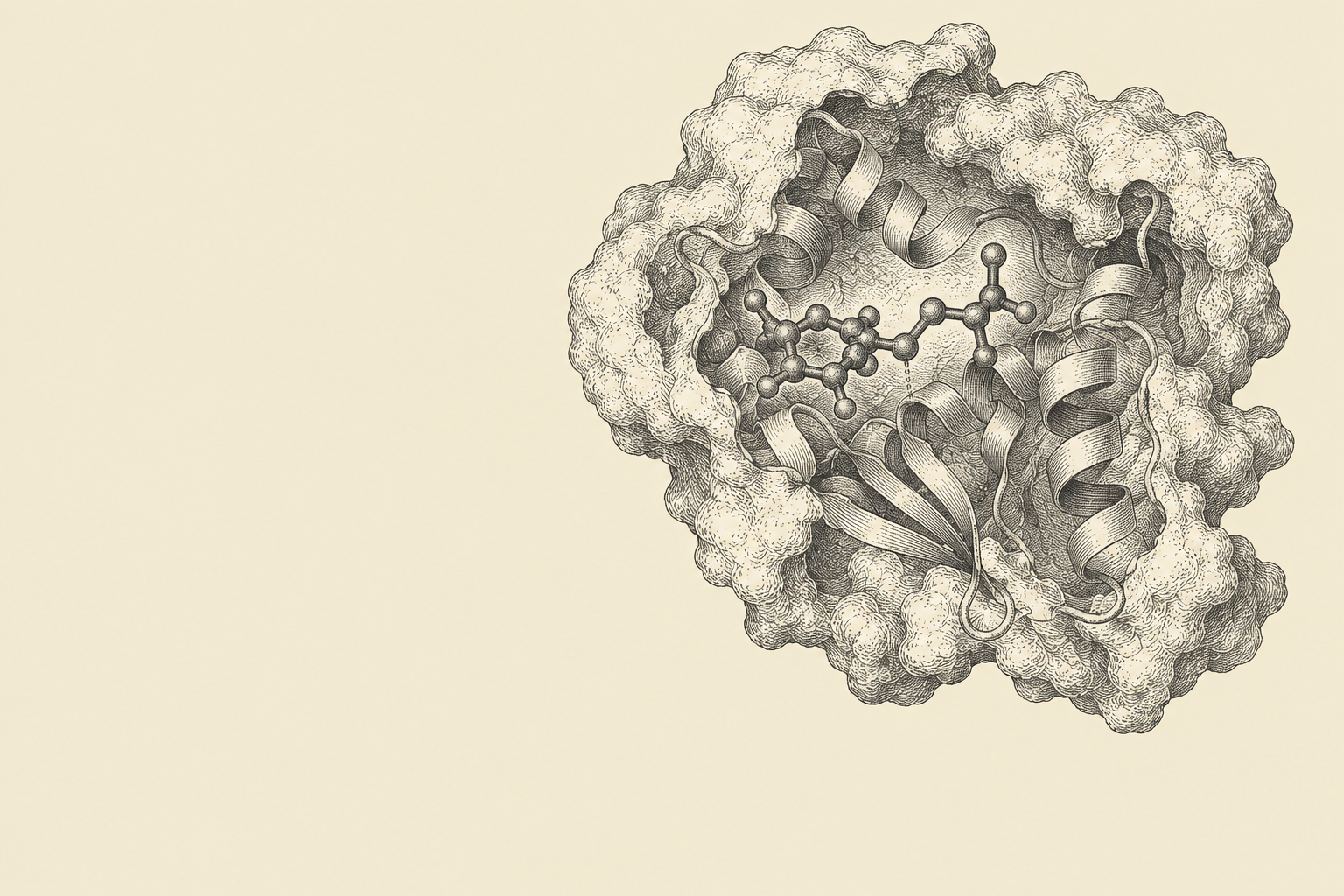
Anthropic and Adaptyv launched the Protein Design Competition 2026: five protein-design challenges whose entries get expressed and assayed rather than scored in silico, with more than 5,000 designs headed to the bench. Adaptyv, which runs protein testing as a service, handles the wet-lab side, converting submitted sequences into measured binding data. That inverts how most protein-design claims get settled today, where a model's reported success rate comes from another model. Throughput at the bench, not idea supply, has been the constraint on comparing design methods head to head. A frontier AI company paying for physical validation at this scale makes measured hit rates the reference point.
Read the source →

AI finds sequence rules that rewrite Pol II pausing
Fig. IIbioRxiv · Filed 23 Sep 2026.
Nº 02 bioRxiv Field report

AI finds sequence rules that rewrite Pol II pausing

Sequence rules for Pol II pausing came out of a model, and they revise the pause-release account of gene activation that has organized transcription research for years. The bioRxiv preprint, from D. Bentley, reports AI-discovered sequence determinants of promoter-proximal pausing that the standard model does not predict. Mechanistic revision, not prediction accuracy, is the output here — the harder thing for machine learning to deliver in biology, and the reason results like this shift what counts as an AI contribution to basic discovery.
Read more →
Model reads cancer signals in pre-diagnostic mammograms
Fig. IIIarXiv · Filed 23 Sep 2026.
Nº 03 arXiv Field report

Model reads cancer signals in pre-diagnostic mammograms

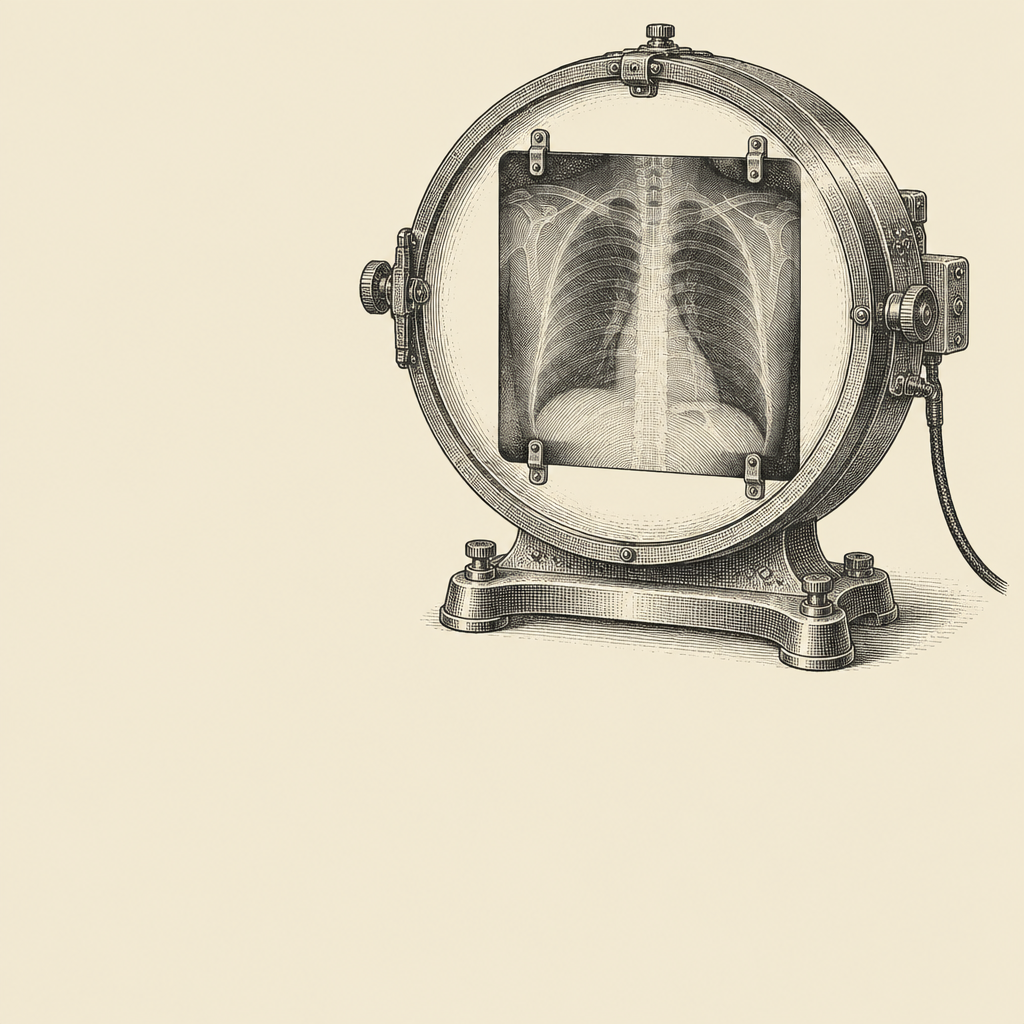
Screening mammograms carry pre-diagnostic signal that a general-purpose image model can read off directly. Embeddings from a foundation model — one trained broadly on images rather than built for this task — capture changes on mammograms taken before a breast cancer diagnosis was made. No hand-engineered radiomic features, no task-specific training pipeline. Risk stratification built on borrowed representations changes the cost structure of screening research, where feature engineering has long been the slow step between a cohort and a usable model.

Read more →
Also Filed · Four Briefs from the queue
Nº 04 arXiv Agents · Infrastructure

Research agents rewrite the code that runs them

AI research agents improve themselves recursively in a new arXiv paper, with the agent editing the system that runs its own experiments. Self-modification moves from thought experiment to measured result, sharpening the oversight question around long-running autonomous work.

Read →
Nº 05 bioRxiv Cell biology · Funding

Speciesformer learns cell states across species

Speciesformer learns cell states that hold across species, training a generative virtual-cell model on conserved biology instead of one organism at a time. Cross-species transfer is the missing piece in carrying mouse perturbation data over to human cells.

Read →
Nº 06 X Field report

Polyphron builds a tissue foundry for model verification

Polyphron is building a tissue foundry so biology can run the verification loop that drove fast gains in coding models: generate, test, score, repeat. The argument, made in a post on X, is that physical throughput caps how fast biological models improve.

Read →
Nº 07 Hacker News Agents · Infrastructure

Watermarking changes how AI agents behave

Watermarking model output changes agent behavior per a Lasso Security writeup on Hacker News: the fingerprint embedded to mark AI-generated text measurably shifts what agents produce downstream. Provenance carries a capability cost, and biomedical records are where audit trails are least optional.

Read →

Reply with your discoveries. A human reads them. Forward freely.

Agentic Discovery  ·  Nº 105  ·  23 Sep 2026

Editor's Note

Anthropic is paying for pipettes today, and a transcription model just argued with a textbook.


Nº 01 · The Lede  —  X  —  Structural biology · Protein design

Anthropic and Adaptyv will test 5,000 designed proteins

Anthropic and Adaptyv will test 5,000 designed proteins

Fig. I  X · Filed 23 Sep 2026.

Anthropic and Adaptyv launched the Protein Design Competition 2026: five protein-design challenges whose entries get expressed and assayed rather than scored in silico, with more than 5,000 designs headed to the bench. Adaptyv, which runs protein testing as a service, handles the wet-lab side, converting submitted sequences into measured binding data. That inverts how most protein-design claims get settled today, where a model's reported success rate comes from another model. Throughput at the bench, not idea supply, has been the constraint on comparing design methods head to head. A frontier AI company paying for physical validation at this scale makes measured hit rates the reference point.

Read the source →

Why it matters

Protein design gets a shared physical scoreboard, and a model's claimed hit rate now has a measured number to be checked against.


Nº 02  —  bioRxiv  —  Field report

AI finds sequence rules that rewrite Pol II pausing

Fig. II  bioRxiv · Filed 23 Sep 2026.

AI finds sequence rules that rewrite Pol II pausing

Sequence rules for Pol II pausing came out of a model, and they revise the pause-release account of gene activation that has organized transcription research for years. The bioRxiv preprint, from D. Bentley, reports AI-discovered sequence determinants of promoter-proximal pausing that the standard model does not predict. Mechanistic revision, not prediction accuracy, is the output here — the harder thing for machine learning to deliver in biology, and the reason results like this shift what counts as an AI contribution to basic discovery.

Read more →


Nº 03  —  arXiv  —  Field report

Model reads cancer signals in pre-diagnostic mammograms

Fig. III  arXiv · Filed 23 Sep 2026.

Model reads cancer signals in pre-diagnostic mammograms

Screening mammograms carry pre-diagnostic signal that a general-purpose image model can read off directly. Embeddings from a foundation model — one trained broadly on images rather than built for this task — capture changes on mammograms taken before a breast cancer diagnosis was made. No hand-engineered radiomic features, no task-specific training pipeline. Risk stratification built on borrowed representations changes the cost structure of screening research, where feature engineering has long been the slow step between a cohort and a usable model.

Read more →


Also Filed  ·  Four Briefs from the queue

Nº 04  —  arXiv  —  Agents · Infrastructure

Research agents rewrite the code that runs them

AI research agents improve themselves recursively in a new arXiv paper, with the agent editing the system that runs its own experiments. Self-modification moves from thought experiment to measured result, sharpening the oversight question around long-running autonomous work.

Read →

Nº 05  —  bioRxiv  —  Cell biology · Funding

Speciesformer learns cell states across species

Speciesformer learns cell states that hold across species, training a generative virtual-cell model on conserved biology instead of one organism at a time. Cross-species transfer is the missing piece in carrying mouse perturbation data over to human cells.

Read →

Nº 06  —  X  —  Field report

Polyphron builds a tissue foundry for model verification

Polyphron is building a tissue foundry so biology can run the verification loop that drove fast gains in coding models: generate, test, score, repeat. The argument, made in a post on X, is that physical throughput caps how fast biological models improve.

Read →

Nº 07  —  Hacker News  —  Agents · Infrastructure

Watermarking changes how AI agents behave

Watermarking model output changes agent behavior per a Lasso Security writeup on Hacker News: the fingerprint embedded to mark AI-generated text measurably shifts what agents produce downstream. Provenance carries a capability cost, and biomedical records are where audit trails are least optional.

Read →


· · ·

Reply with your discoveries. A human reads them. Forward freely.