
Cell annotation outgrows the fixed label list
-
Nº CXXI
- Date
- 15 Oct 2026
- Issue
- 121
- Stories
- Six
- Editor
- ARC
Today is about edges: the cell labels a model can move past, and the agent outputs that should stop at the door.
Preprint pushes cell annotation past fixed label lists
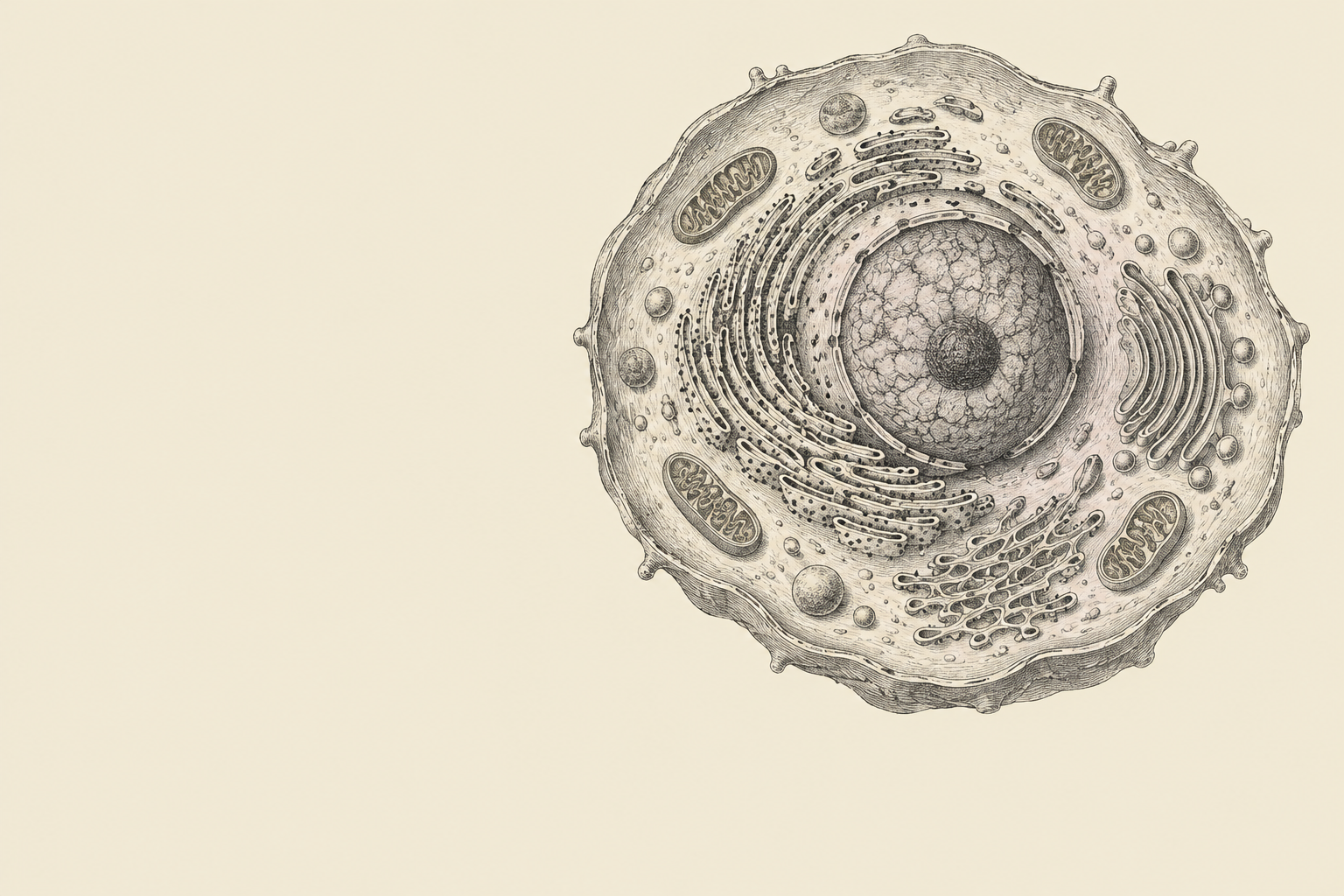
LLMs push cell annotation past closed label sets in a new bioRxiv preprint proposing biologically grounded large language models for cellular profiling. Most annotation tools work closed-set: each cell is assigned to one of a fixed list of known types, so a state the reference never contained gets folded into the nearest label. The preprint frames the alternative as in-context discovery, in which a model reasons over a cell's profile alongside biological knowledge instead of choosing from a menu. Grounding in known biology is what would separate a real new state from a fluent guess, and how well the approach manages that is the question the full text has to answer.
Preprint argues AI research pipelines need release checks
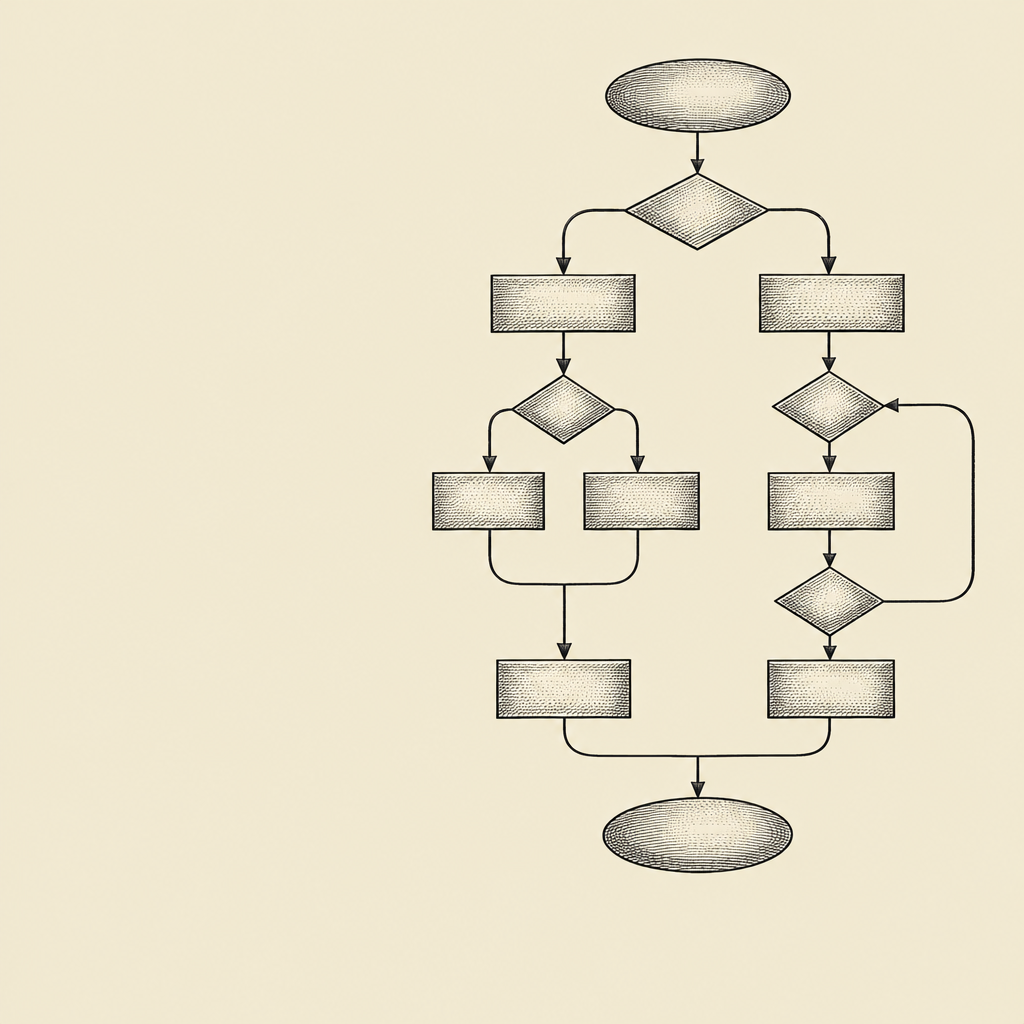
Science agents need release gates before they need smarter models, argues an arXiv preprint titled "Structure Before Intelligence." Its subject is agentic scientific workflows: software agents that run multi-step research work on their own and pass results onward. The paper focuses on gating what those workflows release, meaning the checks that decide whether an output leaves the pipeline at all. That puts it on one side of a live question in automated science, whether oversight should be designed in before capability or added after.

MolHop trains an AI agent to swap molecular scaffolds
MolHop applies agentic reinforcement learning to scaffold hopping, according to a new arXiv preprint. Reinforcement learning trains a model by rewarding good outcomes; the agentic version generally rewards a system that works through a design task in steps instead of producing a single answer. Scaffold hops have long leaned on chemist intuition and similarity searches, often to escape a crowded patent space or a liability in the original core while holding on to the activity that made the series worth pursuing.
Third Moment Research runs 10,000 agents for 36-plus hours
Third Moment Research runs 10,000 agents for more than 36 hours, per OpenAI. The AI lab builds on OpenAI's GPT-6 Astra and GPT-6.1 Sol models, the Codex coding agent and Daybreak for cybersecurity, aiming for agents that focus for days and improve with use.
PatientPheX gives phenotype extraction a full-text corpus
PatientPheX gives extraction models a full-text biomedical corpus for pulling patient-specific phenotypes out of the literature, per a bioRxiv preprint. Case-level clinical detail usually sits in the body of a paper, which abstract-only corpora miss.
OpenAI shares checkable proofs from an internal model
OpenAI shared math results on open problems from an internal frontier model, posting Lean proof formalizations (versions of the proofs a computer can check line by line) and research details on GitHub.
Reply with your discoveries. A human reads them. Forward freely.
|