
Closing the mouse-to-human gap
-
Nº CXIX
- Date
- 13 Oct 2026
- Issue
- 119
- Stories
- Four
- Editor
- ARC
Four preprints, one thread: letting models choose what gets tested next, then checking whether the choice holds.
Model ties mouse brain signals to human drug response
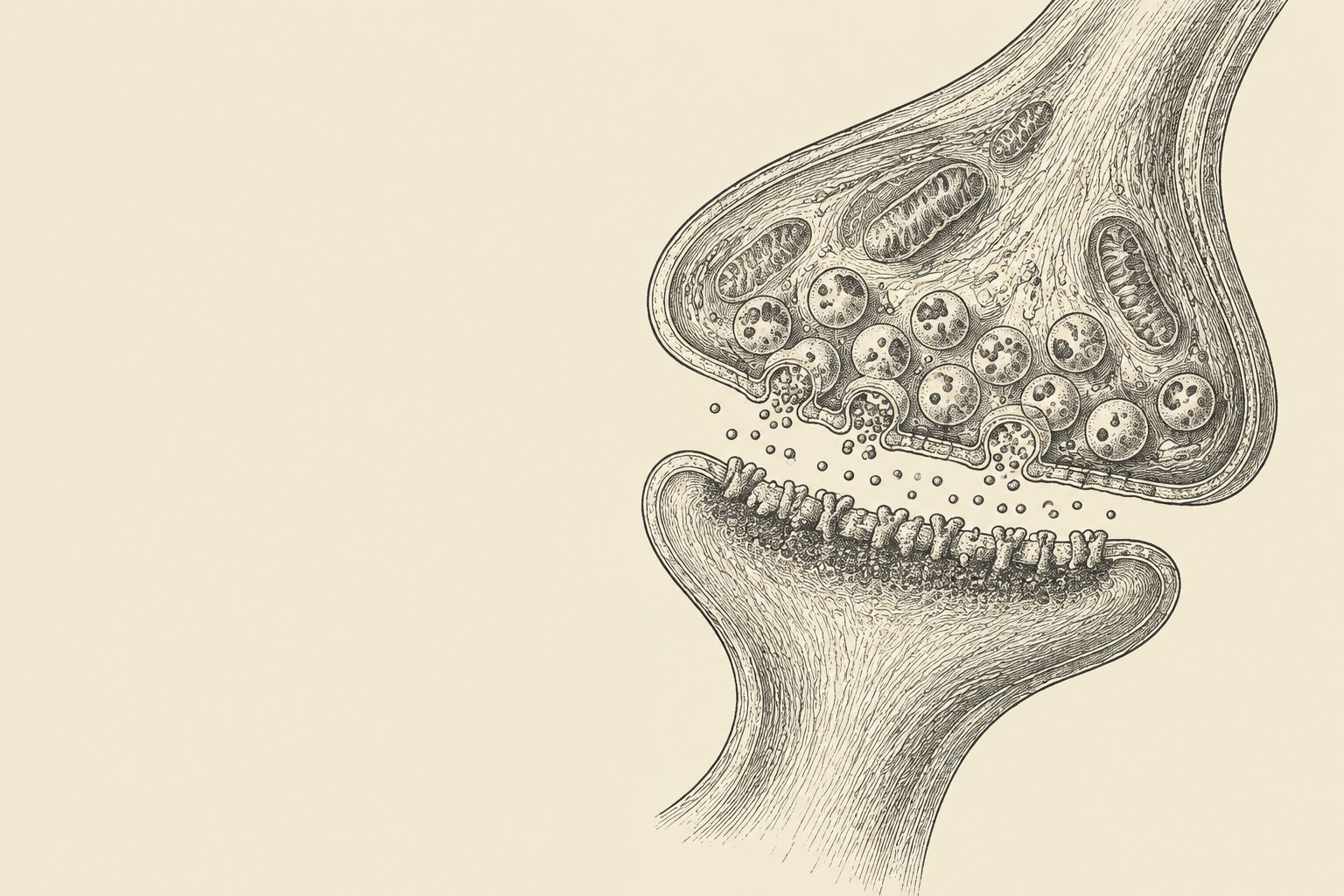
A cross-species model aligns mouse and human neural dynamics in one shared representation, and the arXiv preprint reports that the aligned signal tracks clinical drug efficacy. Preclinical neuroscience has leaned on behavioral proxies to guess whether a mouse effect survives contact with human biology, which is a large part of why CNS attrition sits where it does. Learning a common coordinate system for recordings from both species turns that guess into something computable before a trial starts. The efficacy claim is the load-bearing one, and it will need replication outside this paper's own drug set. Even so, it moves cross-species translation from narrative argument toward a quantity.

Reasoning agents pick which compounds to screen next
CLARA puts reasoning agents in charge of which compounds a screening campaign tests next, folding LLM reasoning into active learning, the loop where each round of assay results chooses the next batch. Until now that choice has run on acquisition functions that optimize a number and explain nothing; an agent proposes a batch and can state why. If the approach holds up, library triage shifts from a scoring heuristic to a reviewable argument, which changes what a screening plan can be defended on before the plates are ordered.

Preprint asks whether LLMs help design ionizable lipids
LLM-proposed lipids go head-to-head with conventional search under a capped experiment budget, in a bioRxiv preprint asking the question most generative-design papers skip: when you can only make and test so many candidates, does a language model proposing molecules actually beat the methods already in use? Ionizable lipids are the delivery bottleneck for mRNA medicines, so the budget being spent is synthesis and formulation, not GPU hours. Posing the comparison as budgeted search anchors a harder standard for design claims than unconstrained benchmark scoring.
DataSense-Bench measures a first step toward AI scientists
DataSense-Bench scores how well models make sense of raw data, pitched by its authors as the opening requirement for anything calling itself an AI scientist. Shared tests like this are what keep "our agent does science" checkable as more groups ship autonomous analysis tools.
Reply with your discoveries. A human reads them. Forward freely.
|