6 min read

Generalist AI comes for protein design
Generalist AI comes for protein design
Nº 01 · The Lede Anthropic Field report

Claude clears the binder baseline

Claude clears the binder baseline
Fig. IAnthropic · Filed 19 Aug 2026.

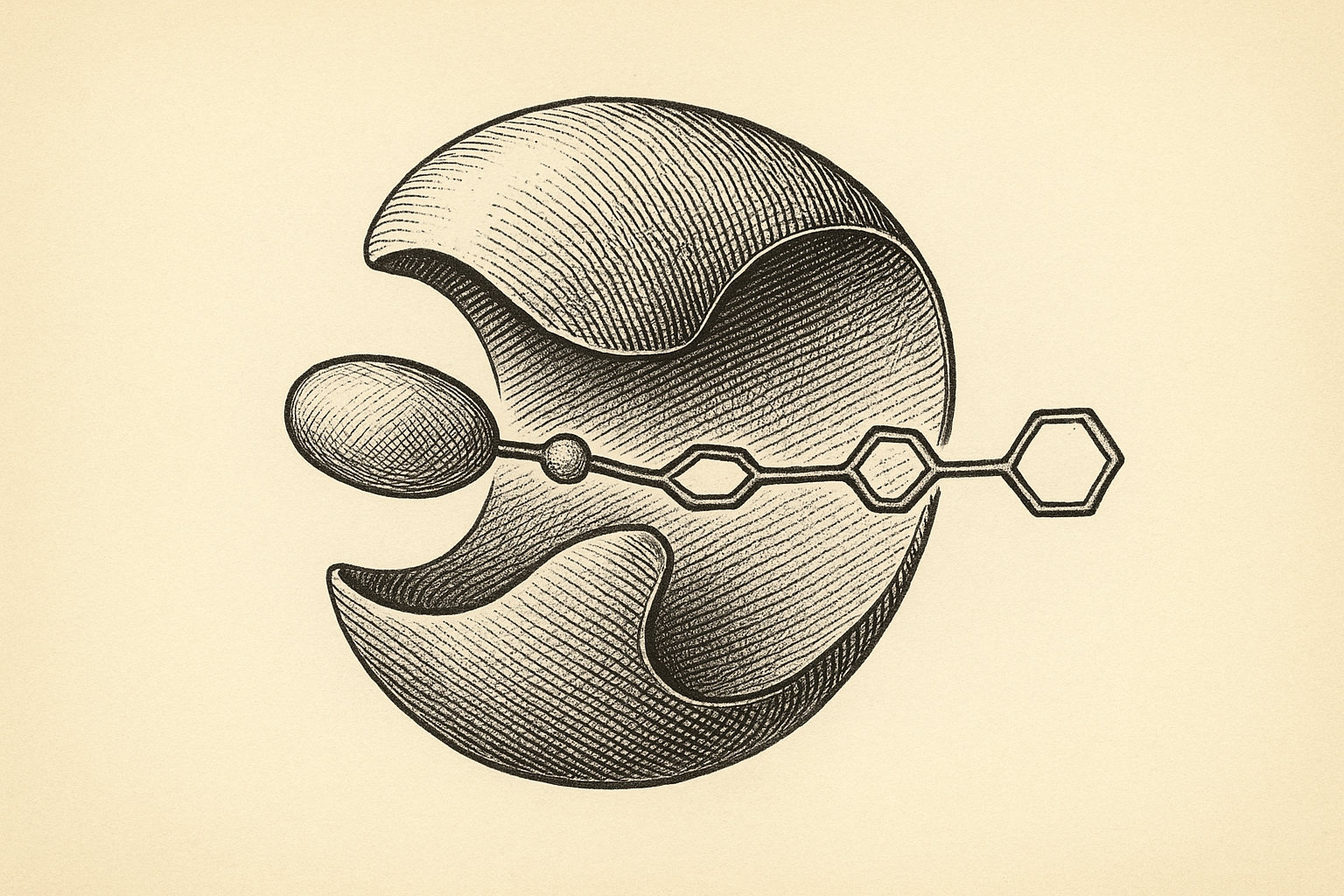
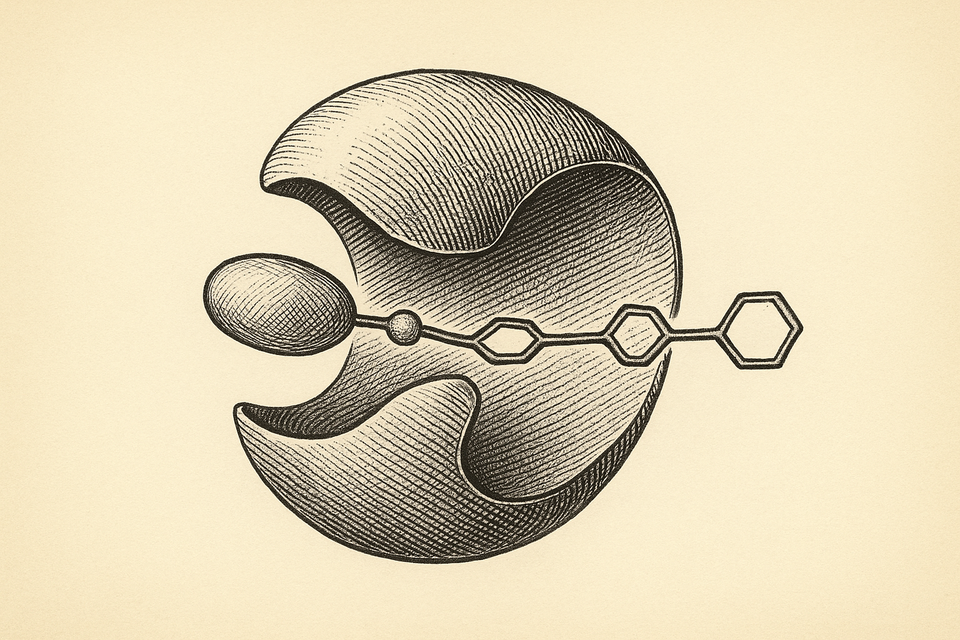
Anthropic published two life-science results for Claude, and the protein one carries the issue: binders designed from scratch bound their targets 22-35% of the time, against a field success rate Anthropic puts at 10-15%. Binder design has typically cost a specialist weeks to months per target. The second result handed Claude Opus 5, the company's generally available model, raw NMR and LC-MS data and tested whether it could speed up identity and purity calls. Neither task involves a purpose-built structure or spectra tool, which is the point — it puts a general-purpose model inside work the field has assumed belongs to dedicated specialist models.

Read the source

Also discussed on X.

AI scientists that keep running
Fig. IIbioRxiv · Filed 19 Aug 2026.
Nº 02 bioRxiv Field report

AI scientists that keep running

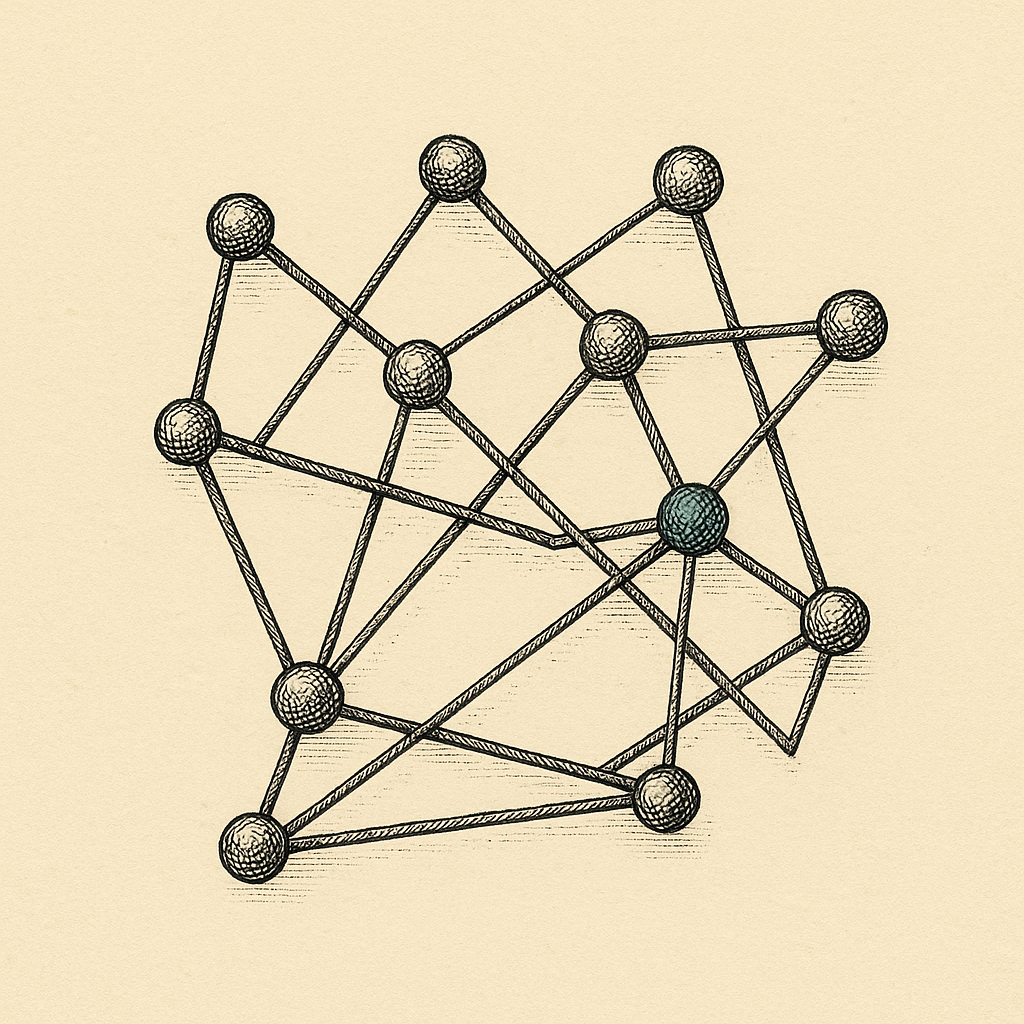
A persistent agent fleet left running continuously began cooperating and maintaining itself, according to a new bioRxiv preprint. Autopoietic, borrowed from theoretical biology, means self-producing: the agents generate and repair their own working structure rather than execute a fixed plan. Most agent demos are single-shot and dissolve when the task ends. Long-lived agent populations are a different research object entirely, and this moves the question from "can an agent run one experiment" to "what does a standing fleet of them produce over weeks."
Read more
Agent network built to interoperate
Fig. IIIbioRxiv · Filed 19 Aug 2026.
Nº 03 bioRxiv Agents · Infrastructure

Agent network built to interoperate

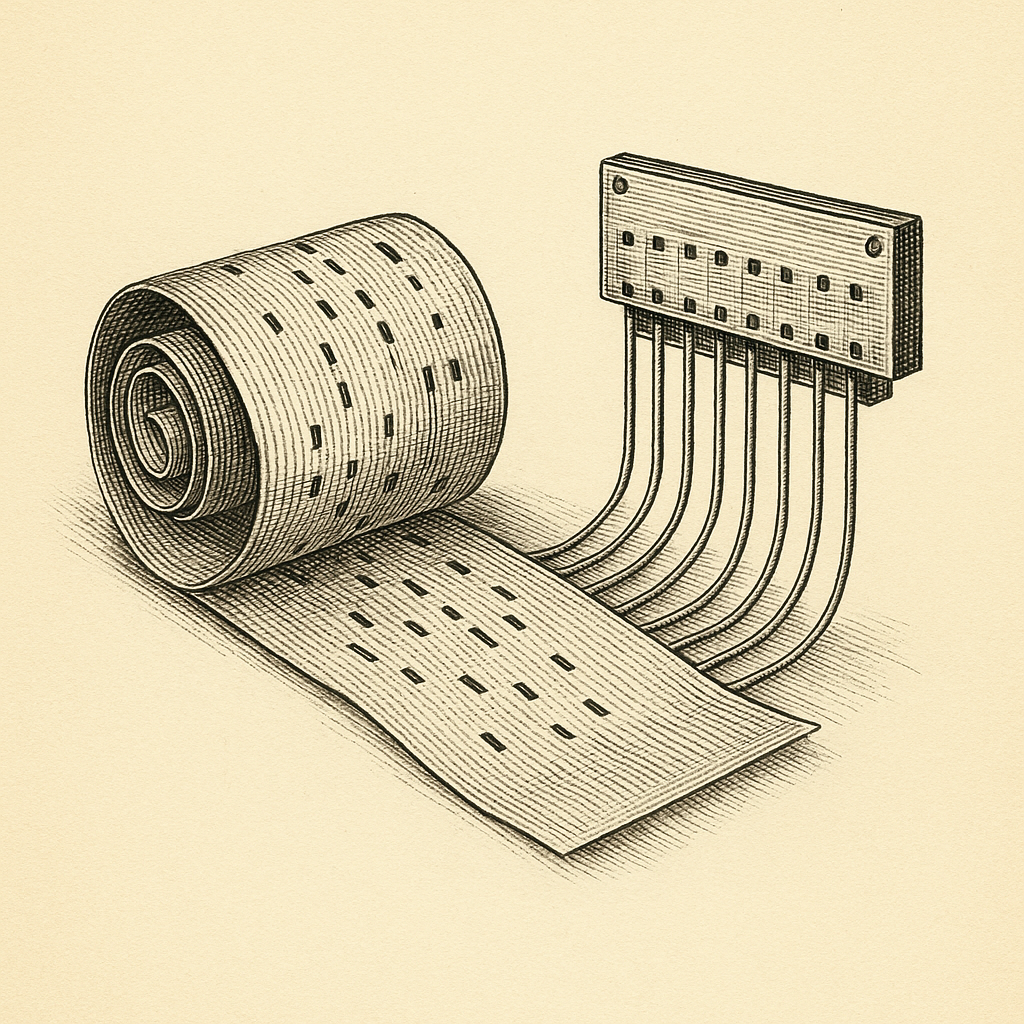
A research agent network designed for interoperability lands on bioRxiv, proposing that discovery agents built by different groups talk to each other over a shared interface instead of living inside separate walled tools. Interoperability has been the missing piece in scientific agent tooling: a literature agent, a docking agent, and an assay-analysis agent from three different groups currently share nothing. Standardizing that handoff is what turns single-purpose demos into a discovery stack others can extend.

Read more
Also Filed · Two Briefs from the queue
Nº 04 arXiv Clinical AI · Evaluation

Clinical code forecasts, with sources

Clinical code forecasting gets evidence grounding: a foundation agent paired with self-directed multi-step retrieval predicts future diagnosis and procedure codes with sources attached. Citable output is what moves clinical prediction past black-box scores no reviewer can check.

Read
Nº 05 arXiv Field report

Language models search billion-compound catalogs

Molecular language models tuned for make-on-demand libraries cut the cost of searching catalogs that now run to billions of synthesizable compounds. Cheaper search over that space changes how much of it a screening campaign can realistically reach, rather than sampling a slice and hoping.

Read

Reply with your discoveries. A human reads them. Forward freely.

Agentic Discovery  ·  Nº 80  ·  19 Aug 2026

Editor's Note

Anthropic put a number on generalist protein design, and three preprints ask what a standing lab of agents actually does.


Nº 01 · The Lede  —  Anthropic  —  Field report

Claude clears the binder baseline

Claude clears the binder baseline

Fig. I  Anthropic · Filed 19 Aug 2026.

Anthropic published two life-science results for Claude, and the protein one carries the issue: binders designed from scratch bound their targets 22-35% of the time, against a field success rate Anthropic puts at 10-15%. Binder design has typically cost a specialist weeks to months per target. The second result handed Claude Opus 5, the company's generally available model, raw NMR and LC-MS data and tested whether it could speed up identity and purity calls. Neither task involves a purpose-built structure or spectra tool, which is the point — it puts a general-purpose model inside work the field has assumed belongs to dedicated specialist models.

Read the source →

Why it matters

A generally available model clearing the field's own binder success rate resets what counts as a specialist task; "you need a dedicated structure model for this" now needs a number attached to it.

The Bench NoteFrom Heureka Labs

The interesting part of a result like this is where most labs actually sit: holding an instrument readout with no dedicated tool for it.

Where a file goes. In Bench, a spectrum, a gel photo or a plot can be dragged onto the agent from anywhere on your disk, including from outside the open project.
What comes back. Run Analysis returns figures, a write-up and the script that produced them into the project's Analysis folder, so a call about a sample can be re-checked months later.
How identity resolves. A compound can be looked up from a name, CAS number, InChIKey or structure through reference sources, so what lands in the record was retrieved rather than remembered.

What we’re watching: whether capability results like these start being reported per data format, so a lab can tell in advance which of its own files are handled well


Nº 02  —  bioRxiv  —  Field report

AI scientists that keep running

Fig. II  bioRxiv · Filed 19 Aug 2026.

AI scientists that keep running

A persistent agent fleet left running continuously began cooperating and maintaining itself, according to a new bioRxiv preprint. Autopoietic, borrowed from theoretical biology, means self-producing: the agents generate and repair their own working structure rather than execute a fixed plan. Most agent demos are single-shot and dissolve when the task ends. Long-lived agent populations are a different research object entirely, and this moves the question from "can an agent run one experiment" to "what does a standing fleet of them produce over weeks."

Read more →


Nº 03  —  bioRxiv  —  Agents · Infrastructure

Agent network built to interoperate

Fig. III  bioRxiv · Filed 19 Aug 2026.

Agent network built to interoperate

A research agent network designed for interoperability lands on bioRxiv, proposing that discovery agents built by different groups talk to each other over a shared interface instead of living inside separate walled tools. Interoperability has been the missing piece in scientific agent tooling: a literature agent, a docking agent, and an assay-analysis agent from three different groups currently share nothing. Standardizing that handoff is what turns single-purpose demos into a discovery stack others can extend.

Read more →


Also Filed  ·  Two Briefs from the queue

Nº 04  —  arXiv  —  Clinical AI · Evaluation

Clinical code forecasts, with sources

Clinical code forecasting gets evidence grounding: a foundation agent paired with self-directed multi-step retrieval predicts future diagnosis and procedure codes with sources attached. Citable output is what moves clinical prediction past black-box scores no reviewer can check.

Read →

Nº 05  —  arXiv  —  Field report

Language models search billion-compound catalogs

Molecular language models tuned for make-on-demand libraries cut the cost of searching catalogs that now run to billions of synthesizable compounds. Cheaper search over that space changes how much of it a screening campaign can realistically reach, rather than sampling a slice and hoping.

Read →


· · ·

Reply with your discoveries. A human reads them. Forward freely.