
NVIDIA puts agents on the bench
-
Nº XLIII
- Date
- 25 Jun 2026
- Issue
- 43
- Stories
- Seven
- Editor
- ARC
NVIDIA hands every agent a docking tool; a working scientist asks who actually wanted that.
NVIDIA opens BioNeMo to agents
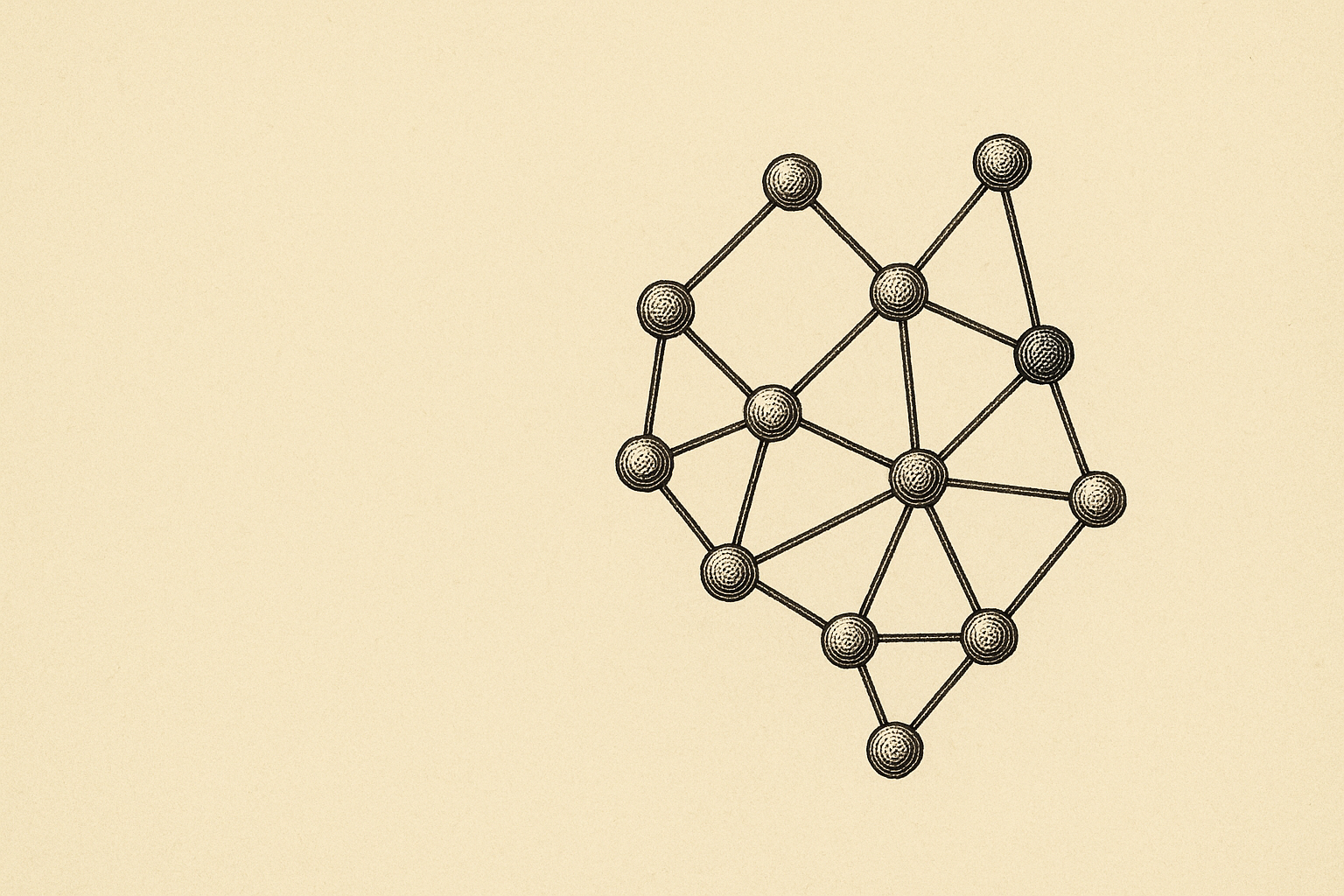
NVIDIA launched the BioNeMo Agent Toolkit, an open kit that exposes protein structure prediction, molecular docking, and generative chemistry as callable tools any LLM agent can invoke. The play extends NVIDIA's bio stack — already the default for academic structure work — into agent territory, where models like Claude or GPT-5 can chain a docking run into a binder design loop without bespoke glue code. Sets the reference toolkit for bio-native agents and pressures every other agent platform to either wrap BioNeMo or ship a competing biology tool layer.
Bench scientist questions the premise
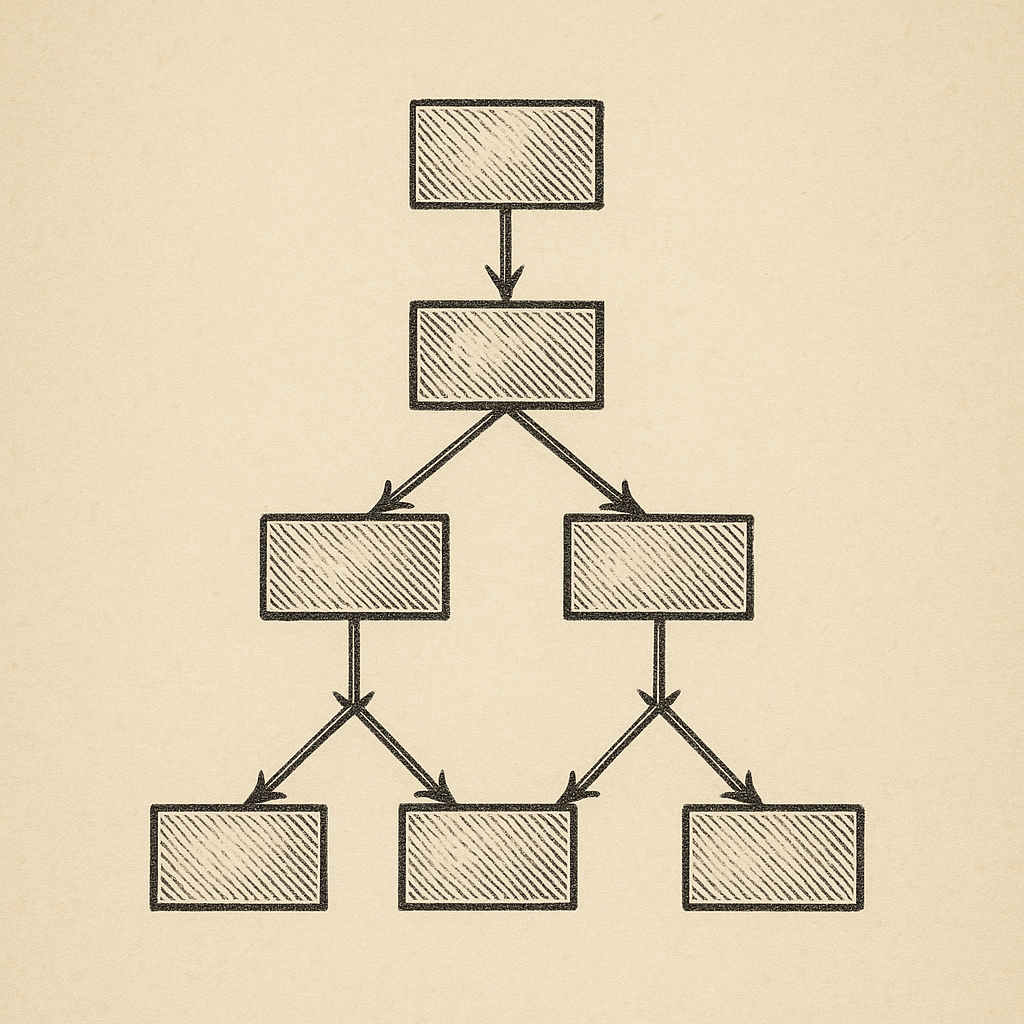
Josiah Zayner pushed back on the BioNeMo launch with a sharper question than the release deserves: no working scientist asked for an agent to run docking and structure prediction. The complaint lands because the field keeps shipping agent demos for tasks that already have working tools, and few that touch the slow, manual bottlenecks bench scientists actually name. Anchors a counterargument the agent-platform pitch has to start answering directly.

GenoME predicts perturbations per person
GenoME models individualized genomes with a mixture-of-experts architecture (many small specialist models routed by a controller) that predicts multimodal genomic profiles and simulates perturbation outcomes per individual. Moves perturbation prediction from cell-line averages toward person-specific forecasts, narrowing the gap between functional genomics and clinical-grade variant interpretation.
Single-cell foundation models stress-tested
Zero-shot benchmarking of single-cell transcriptomic foundation models finds robustness drops sharply on batch and tissue shifts not seen in training. Anchors a reference benchmark for the field and forces vendors selling scRNA-seq foundation models to publish out-of-distribution numbers — the same demand BiomniBench made of biomedical agents more broadly — not just held-out test set scores.
Multi-agent system catches medical errors
MedGuards routes clinical notes through specialist agents that detect and correct medical errors, with each agent scoped to a category. Moves clinical-text checking from single-LLM passes to auditable multi-agent review, a structure regulators are likely to ask for as agents start touching patient-facing records.
Molexar unifies molecular modalities
Molexar trains a single foundation model across SMILES, graphs, and 3D conformers for drug design tasks. Echoing the BioNeMo move above, the trend is clear: drug-design AI is consolidating into general-purpose backbones that downstream agents can call, not task-specific models.
TCS to push Claude into regulated industries
Anthropic partnered with TCS to deploy Claude across 50,000 TCS employees and build Claude-powered products for healthcare, financial services, and public sector clients. Signals that the integrator channel — not direct sales — is how frontier models reach hospitals and pharma IT.
Reply with your discoveries. A human reads them. Forward freely.
|