
OpenAI buys its way onto the lab bench

-
Nº CXXV
- Date
- 21 Oct 2026
- Issue
- 125
- Stories
- Seven
- Editor
- ARC
Two frontier labs stepped into biology today: one bought a biotech, the other designed antivenom proteins.
OpenAI acquires Orchestra Bio to enter drug development

OpenAI is acquiring Orchestra Bio, saying the deal will bring AI-powered operations into life-sciences R&D and help biopharma teams move drug programs along faster. Neither the product nor the timeline is spelled out in the announcement. What is clear is the direction of travel: a frontier AI lab buying its way inside drug development rather than selling tools to the companies doing it. Axios carried the news alongside OpenAI's own post. The open questions are which parts of discovery and development get automated first, and how data from pharma partners is walled off from model training.
Also discussed on Axios.
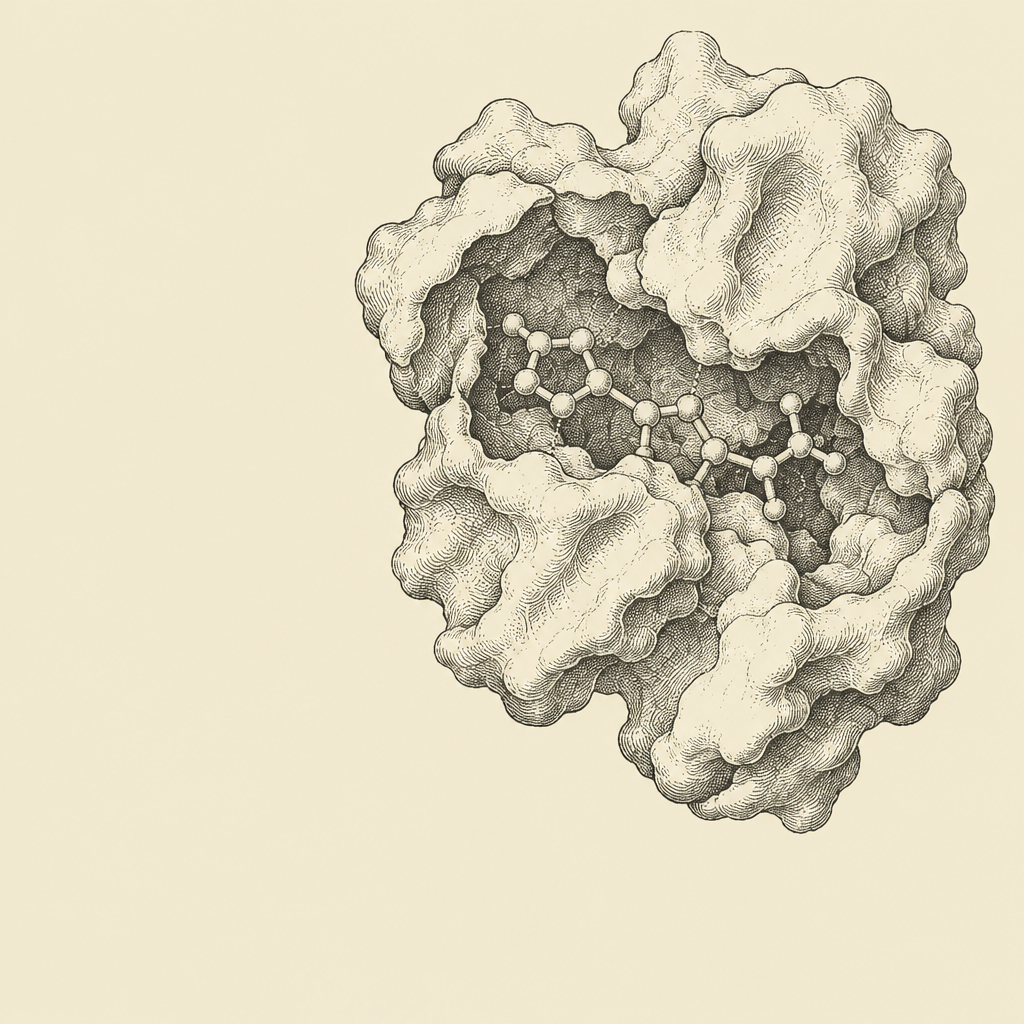
Claude designs binders against scorpion neurotoxins
Claude designed protein minibinders against scorpion neurotoxins, according to a new Anthropic writeup. Minibinders are small engineered proteins that latch tightly onto a target, and binders that neutralize toxins are a long-standing goal in antivenom work. Anthropic says the design task went to an internal research version of Claude rather than a specialist protein-design tool. The field will want to know how far the designs were tested experimentally, since computational binder designs have historically fallen off sharply once they reach the bench.

MedMCP gives imaging agents a shared tool standard
MedMCP is an agent ecosystem for medical imaging, described in a new bioRxiv preprint. It builds on MCP (Model Context Protocol, a published spec for letting AI agents call outside tools), so imaging software can be exposed to agents through the same shared-interface bet instead of custom glue code for every tool and every model. Whether that pays off depends on adoption. A shared interface only helps once several groups publish tools for it.
Magnolia gives chemistry agents a long-term memory
Magnolia gives chemistry agents memory that persists across sessions, in an arXiv preprint built around computational chemistry work. Most agent frameworks start every run blank, so completed calculations and dead-end routes get repeated at full cost.
New method flags unreliable protein function descriptions
A bioRxiv preprint attaches a confidence score to machine-generated protein function descriptions, aiming to learn when they can be trusted. Free-text annotations read just as fluently when wrong as when right, so the hard part is calibration, not fluency.
Curriculum training improves flexible docking predictions
Curriculum training improves flexible docking according to an arXiv preprint in which a generative model is fed progressively harder cases rather than the full set at once. Flexible docking, where the receptor is allowed to move instead of staying rigid, is where most docking methods lose accuracy.
Alter adds per-user access control to agents
Alter launched access control for agents acting on behalf of more than one user, pitched on Hacker News as per-user permissions rather than one shared key. Agents working against patient or participant records otherwise inherit whatever credentials they are handed.
Reply with your discoveries. A human reads them. Forward freely.
|