
7 min read

Predicting human dose from structure alone
Predicting human dose from structure alone
Nº 01 · The Lede X Computational biology

Inductive Bio launches a model that predicts human dose
Inductive Bio launches a model that predicts human dose
Fig. IX · Filed 21 Sep 2026.

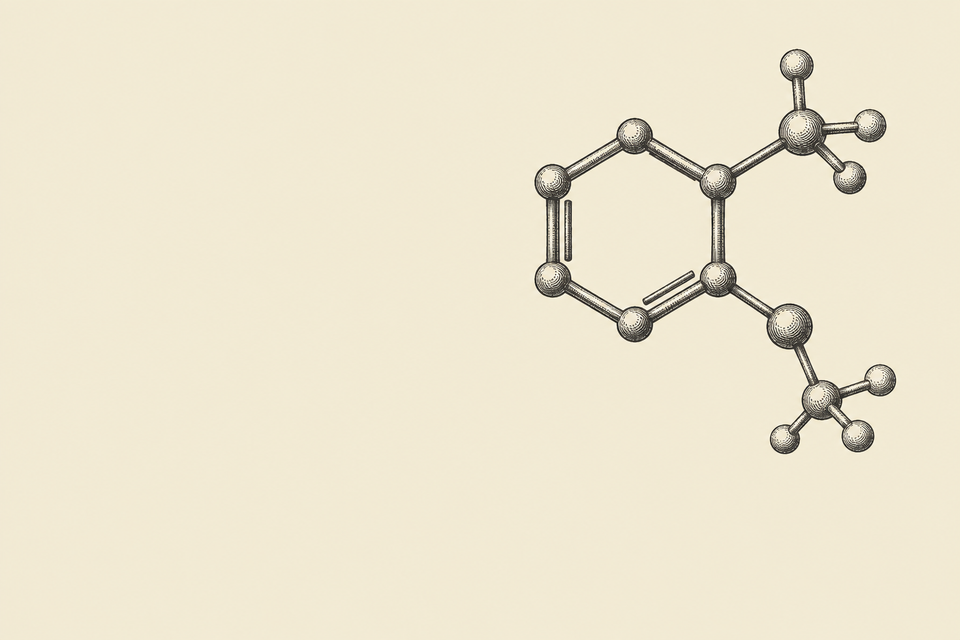
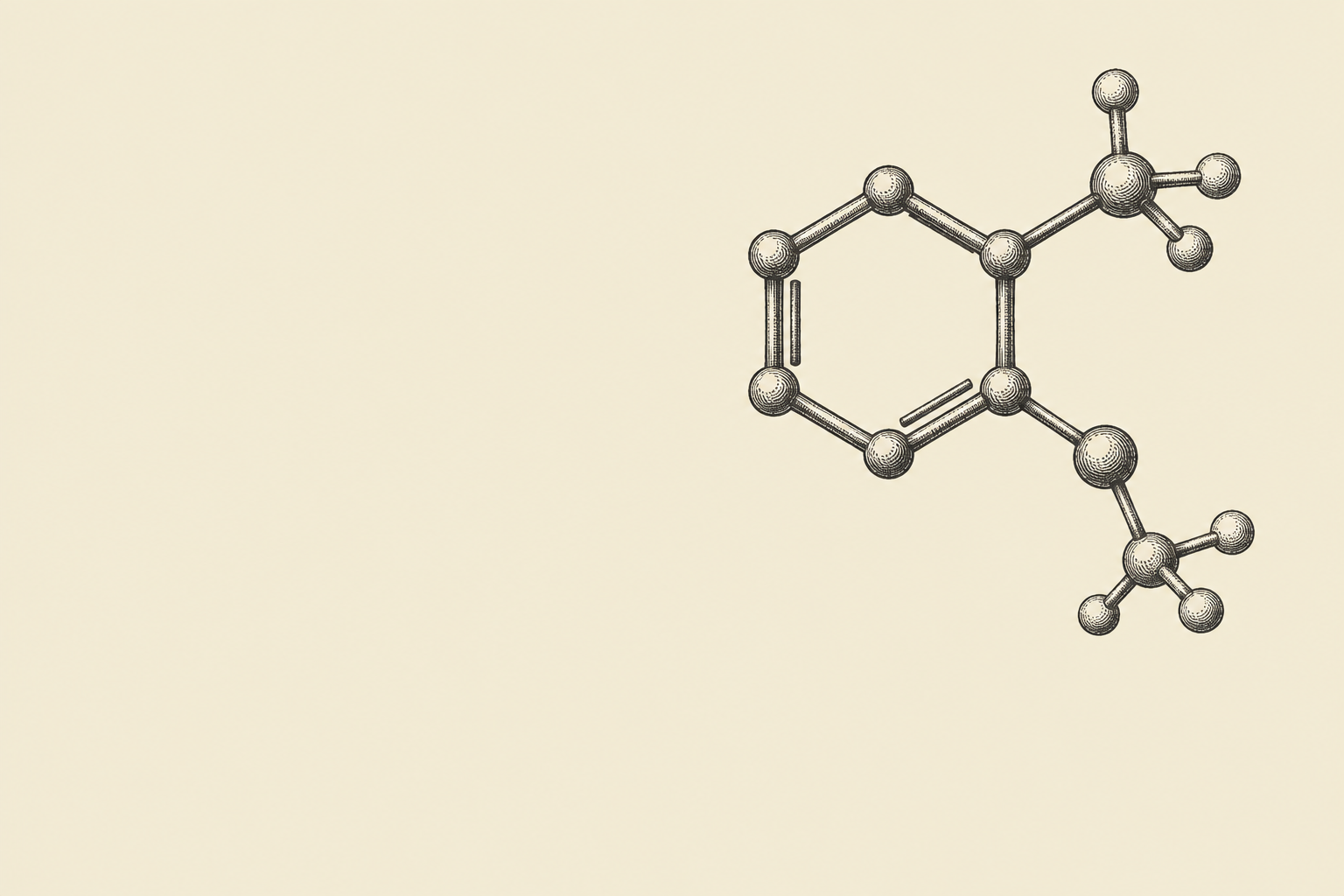
Inductive Bio launched Beacon-2, a model that predicts human dose directly from chemical structure, announced on X by Ben Birnbaum. The launch post frames it as a swipe at the rest of the field: most AI drug-discovery systems optimize the wrong reward, tuning for binding affinity or a single ADMET endpoint when the question that actually decides a program is whether a compound reaches therapeutic exposure at a tolerable dose. Predicting dose end-to-end puts one number on an objective medicinal chemistry has been triangulating from proxies for decades. No external validation accompanies the announcement, so the accuracy claim stands as the company's own.
Read the source →

One model family covers five kinds of aging data
Fig. IIX · Filed 21 Sep 2026.
Nº 02 X Field report

One model family covers five kinds of aging data

One model family now spans clinical records, genetics, methylation, transcriptomics and proteomics in aging biology, with its developers reporting on X that it matches or beats frontier models (the general-purpose large models most benchmarking is run against) across all five. The pitch is one trained family instead of a bespoke predictor per assay. No numbers appear in the post and the comparison is self-reported. Aging research has run on a scatter of separate clocks and signatures, as Insilico's rentosertib results showed; a single model covering all of them changes what a shared reference point for the field could look like.
Read more →
WetRobo gives coding agents a buildable lab robot
Fig. IIIarXiv · Filed 21 Sep 2026.
Nº 03 arXiv Agents · Infrastructure

WetRobo gives coding agents a buildable lab robot

WetRobo packages a lab robot that code-writing agents can drive, released as a reproducible kit rather than a one-off rig in one group's basement. Agent-in-the-lab demos have mostly run on bespoke automation nobody outside can rebuild, which leaves the claims unfalsifiable. A documented reference platform moves agent-driven bench work from demo video to something a second group can check, and lowers the capital floor for testing whether agents can run physical protocols at all.

Read more →
Also Filed · Three Briefs from the queue
Nº 04 bioRxiv Drug discovery · Computational

LLMs propose drug combinations for ER+ breast cancer

Language models scale network medicine to combinatorial drug repurposing in ER+ breast cancer, searching drug-target-pathway relationships for multi-drug candidates. Combination repurposing has been capped by the size of the search space, and automating the read of that space raises how many pairings get considered at all.

Read →
Nº 05 arXiv Agents · Infrastructure

AI agents grade how severe genetic diseases are

Agents classify genetic-disease severity by working from published evidence rather than model recall. Severity calls gate newborn screening panels and variant-curation priorities, so an evidence-linked classification pipeline shifts what counts as a defensible call.

Read →
Nº 06 bioRxiv Computational biology

BELL checks biological models against published evidence

BELL pairs biomodel evidence with LLM-based logic, aiming at the curation step where mechanistic models get tied to the findings that justify them. That link has stayed a manual craft, and automating it raises the throughput ceiling for systems-biology model reuse.

Read →

Reply with your discoveries. A human reads them. Forward freely.

Agentic Discovery  ·  Nº 103  ·  21 Sep 2026

Editor's Note

The weekend shipped a dose predictor and an aging model family; today, a lab robot that takes code.


Nº 01 · The Lede  —  X  —  Computational biology

Inductive Bio launches a model that predicts human dose

Inductive Bio launches a model that predicts human dose

Fig. I  X · Filed 21 Sep 2026.

Inductive Bio launched Beacon-2, a model that predicts human dose directly from chemical structure, announced on X by Ben Birnbaum. The launch post frames it as a swipe at the rest of the field: most AI drug-discovery systems optimize the wrong reward, tuning for binding affinity or a single ADMET endpoint when the question that actually decides a program is whether a compound reaches therapeutic exposure at a tolerable dose. Predicting dose end-to-end puts one number on an objective medicinal chemistry has been triangulating from proxies for decades. No external validation accompanies the announcement, so the accuracy claim stands as the company's own.

Read the source →

Why it matters

If dose becomes a directly predictable endpoint, the optimization target for small-molecule design moves from surrogate properties to the clinical readout itself, and every generative chemistry platform now has to answer what it predicts about dose.


Nº 02  —  X  —  Field report

One model family covers five kinds of aging data

Fig. II  X · Filed 21 Sep 2026.

One model family covers five kinds of aging data

One model family now spans clinical records, genetics, methylation, transcriptomics and proteomics in aging biology, with its developers reporting on X that it matches or beats frontier models (the general-purpose large models most benchmarking is run against) across all five. The pitch is one trained family instead of a bespoke predictor per assay. No numbers appear in the post and the comparison is self-reported. Aging research has run on a scatter of separate clocks and signatures, as Insilico's rentosertib results showed; a single model covering all of them changes what a shared reference point for the field could look like.

Read more →


Nº 03  —  arXiv  —  Agents · Infrastructure

WetRobo gives coding agents a buildable lab robot

Fig. III  arXiv · Filed 21 Sep 2026.

WetRobo gives coding agents a buildable lab robot

WetRobo packages a lab robot that code-writing agents can drive, released as a reproducible kit rather than a one-off rig in one group's basement. Agent-in-the-lab demos have mostly run on bespoke automation nobody outside can rebuild, which leaves the claims unfalsifiable. A documented reference platform moves agent-driven bench work from demo video to something a second group can check, and lowers the capital floor for testing whether agents can run physical protocols at all.

Read more →

The Bench NoteFrom Heureka Labs

Open hardware for the bench lets the protocol, the machine and the run log travel together.

▪The other half of automation. Driving the arm is one problem; tying each output file back to the sample, the reagent lot and the run that produced it is a separate one.
▪Where Bench sits in that. Projects are folders on your own disk that ARC reads and writes into, and Provenance captures lineage as the work happens rather than reconstructing it afterwards.

What we’re watching: whether reference kits like this ship with a run log a notebook can read, or leave each lab to invent one


Also Filed  ·  Three Briefs from the queue

Nº 04  —  bioRxiv  —  Drug discovery · Computational

LLMs propose drug combinations for ER+ breast cancer

Language models scale network medicine to combinatorial drug repurposing in ER+ breast cancer, searching drug-target-pathway relationships for multi-drug candidates. Combination repurposing has been capped by the size of the search space, and automating the read of that space raises how many pairings get considered at all.

Read →

Nº 05  —  arXiv  —  Agents · Infrastructure

AI agents grade how severe genetic diseases are

Agents classify genetic-disease severity by working from published evidence rather than model recall. Severity calls gate newborn screening panels and variant-curation priorities, so an evidence-linked classification pipeline shifts what counts as a defensible call.

Read →

Nº 06  —  bioRxiv  —  Computational biology

BELL checks biological models against published evidence

BELL pairs biomodel evidence with LLM-based logic, aiming at the curation step where mechanistic models get tied to the findings that justify them. That link has stayed a manual craft, and automating it raises the throughput ceiling for systems-biology model reuse.

Read →


· · ·

Reply with your discoveries. A human reads them. Forward freely.