
Spatial omics gets an agent
-
Nº XXIII
- Date
- 26 May 2026
- Issue
- 23
- Stories
- Four
- Editor
- ARC
Quiet day on the platforms, but the preprint stack delivers: memory-augmented agents, complex-composition inference, and a temporal knowledge graph that calls out static benchmarks.
Memory-augmented agent runs spatial omics
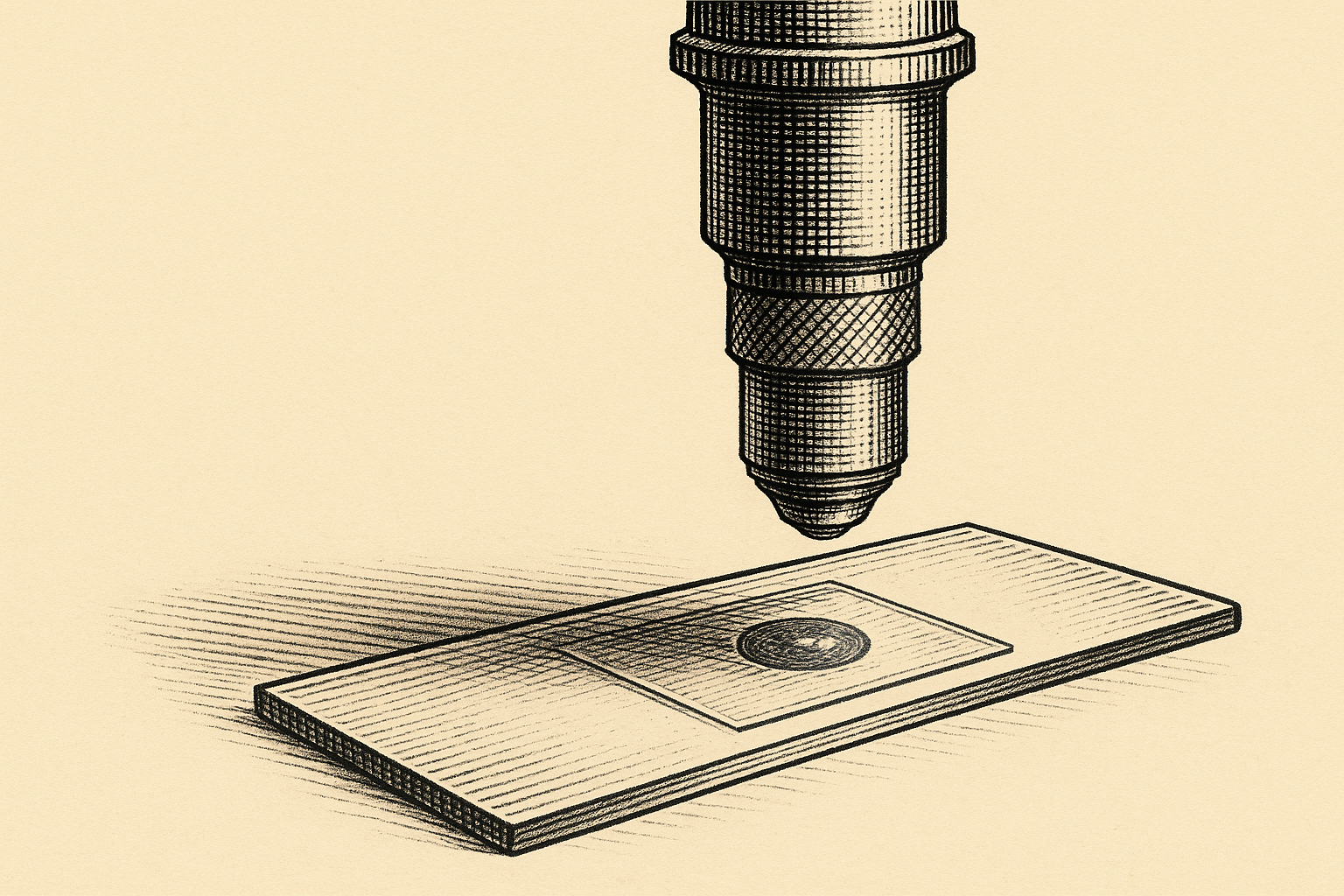
SpatialClaw automates spatial-omics analysis end-to-end, pairing a persistent memory store with tool-calling agents to handle the messy chain from raw spatial transcriptomics through cell-type calling and niche analysis. The system remembers prior runs and reuses learned analysis paths, cutting the bespoke-pipeline overhead that has kept spatial omics labor-intensive. It's one of the first agent ecosystems built specifically for a modality where every dataset has historically demanded a custom workflow.
LLMs infer complex composition
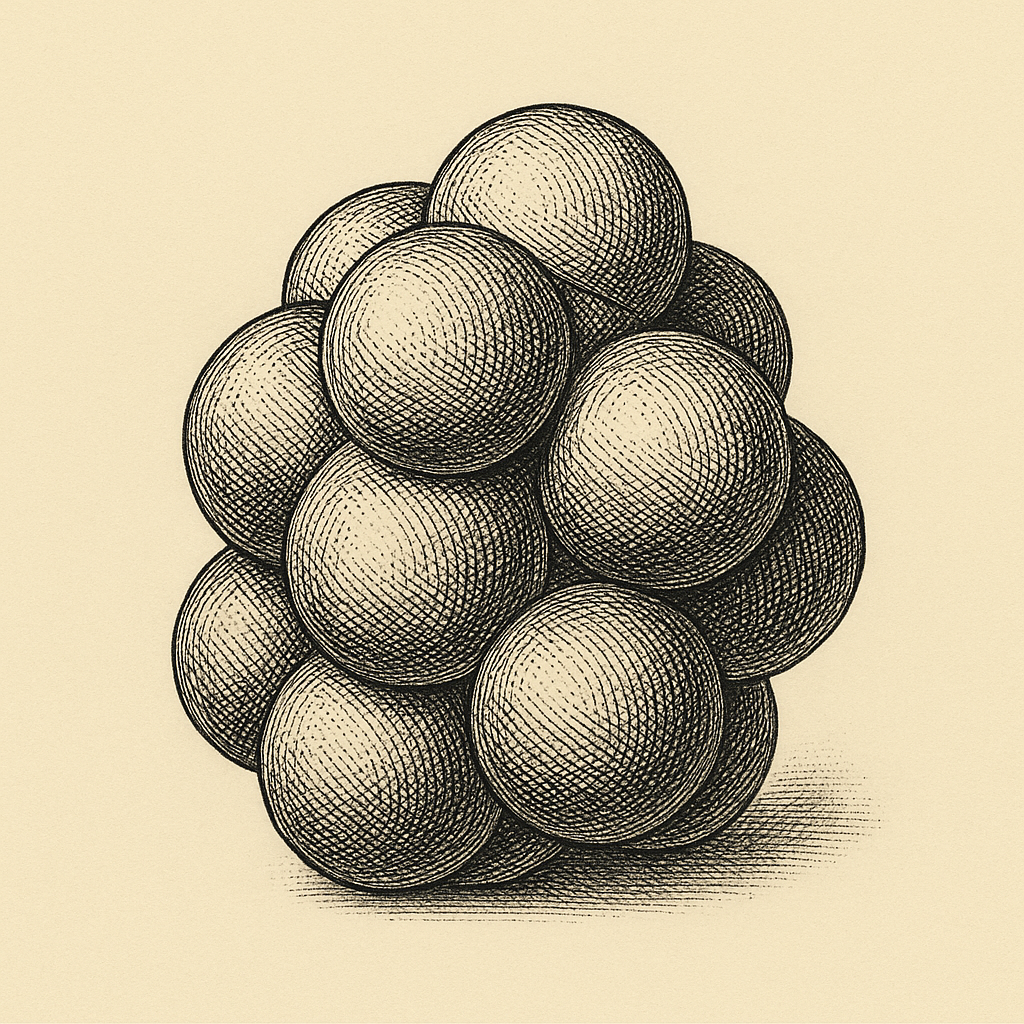
Model consensus calls macromolecular composition from experimental data, using multiple LLMs voting over candidate stoichiometries and component identities for protein complexes. The approach grafts language-model reasoning onto structural-biology evidence rather than replacing it — narrowing the same gap AlphaFold's pairing work targeted between cryo-EM density maps and confident composition calls, but without a human in the loop.
Temporal knowledge graph for clinical reasoning
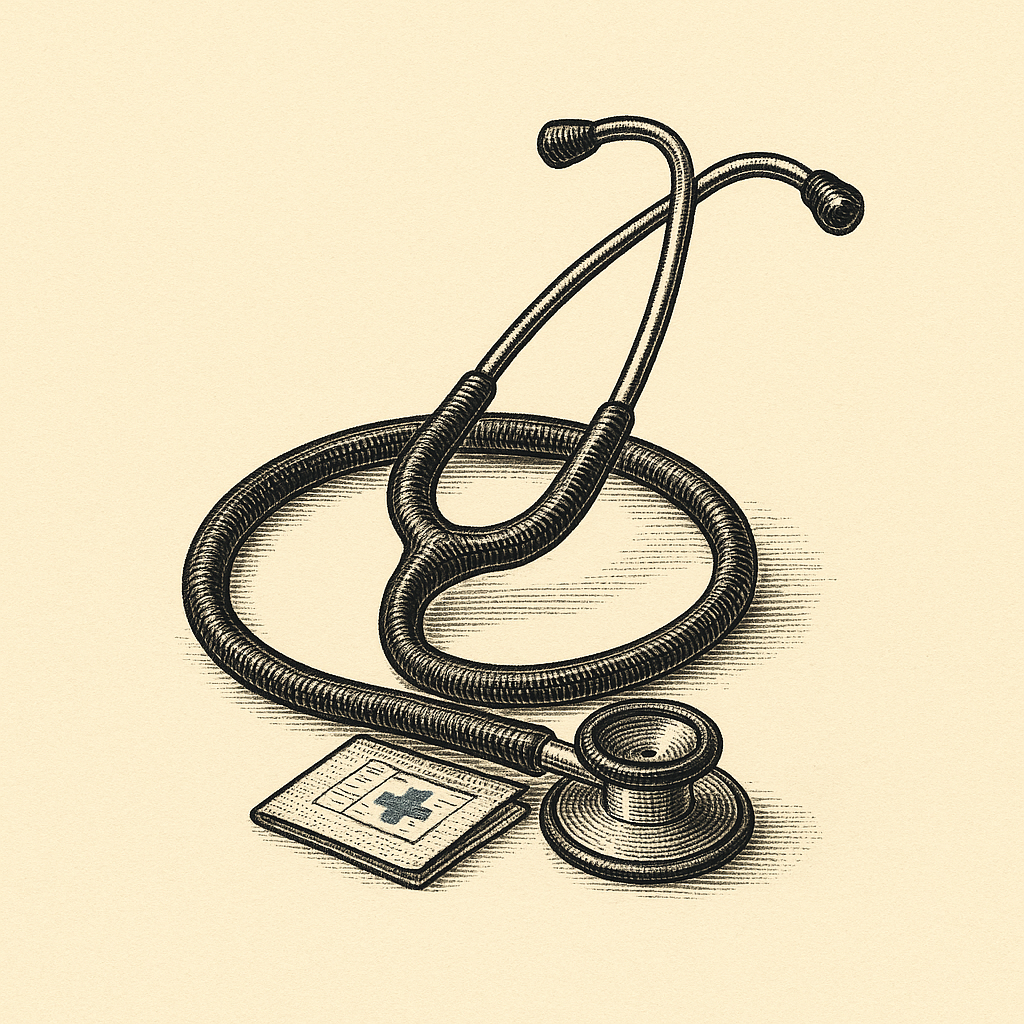
ChronoMedKG times-stamps clinical knowledge and pairs the graph with a reasoning benchmark where guideline changes and drug-label updates have explicit effective dates. Static medical KGs have quietly poisoned clinical-LLM evaluations by treating outdated facts as ground truth; this anchors a counterargument and a reference benchmark for any model claiming clinical reasoning competence.
FAIR platform closes materials-to-bio loop
AIMBio-Mat wires materials discovery to biomedical translation in a single FAIR-compliant closed loop, with agents managing synthesis, characterization, and downstream biological assays. Raises the floor for what an AI-native discovery platform should ship when the use case crosses from materials into implants, delivery vehicles, or biosensors.
Reply with your discoveries. A human reads them. Forward freely.
|