
Thousands of agents loose in brain-cell data
-
Nº CXXVII
- Date
- 23 Oct 2026
- Issue
- 127
- Stories
- Seven
- Editor
- ARC
OpenAI points a thousand agents at brain cells, while Anthropic goes looking for biologists to borrow.
OpenAI runs thousands of agents on brain-cell data
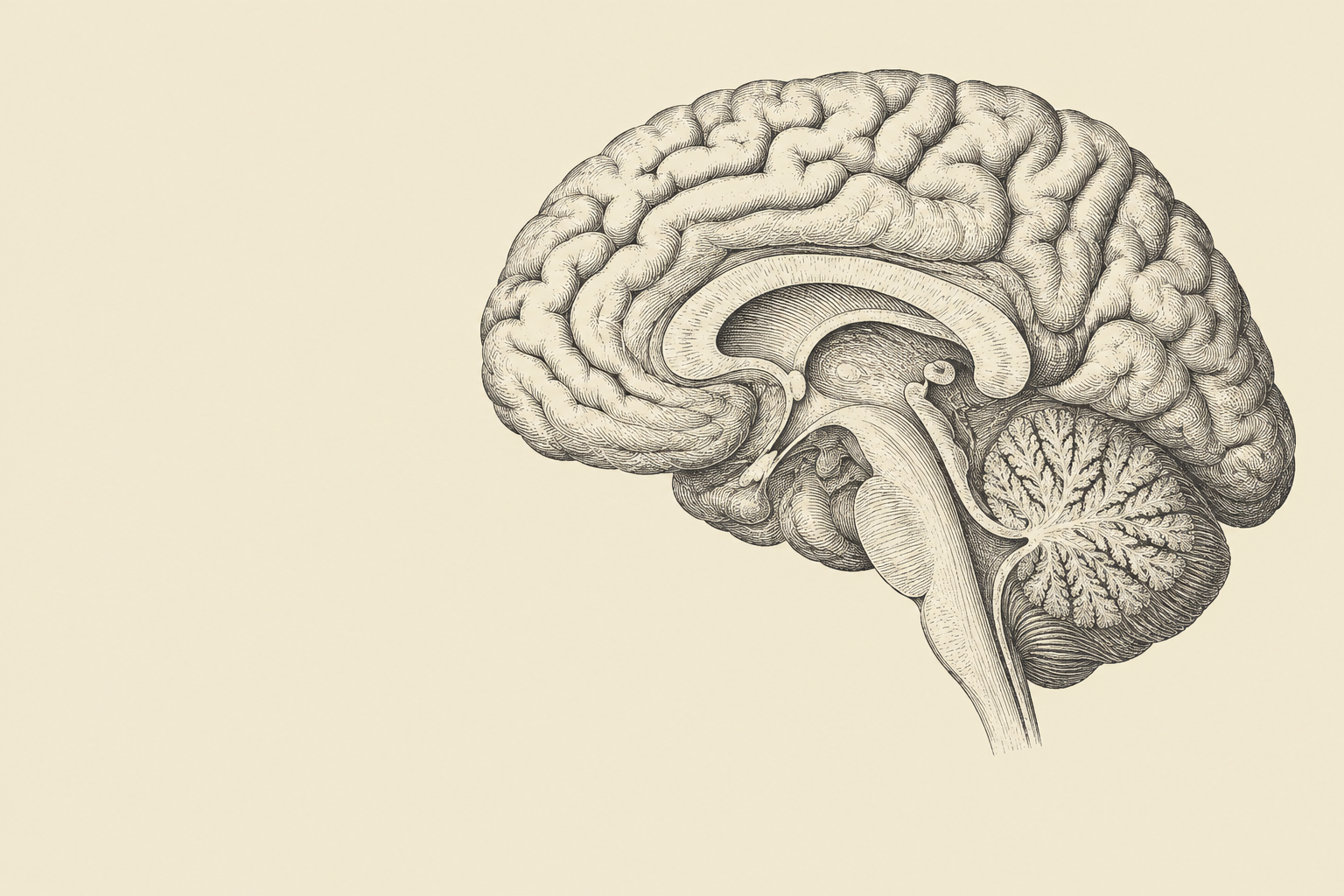
OpenAI ran thousands of agents over data from millions of brain cells, working with PerturbAI and Scripps Research, and reports that the search turned up promising new research leads. Instead of one model working through a dataset in sequence, the analysis is split across many agents running in parallel. The write-up says little about which leads were followed up at the bench, so it reads more as a demonstration of scale than a validated finding. Still, it is the clearest public sign yet that a major AI lab thinks biology at the scale of a cell atlas is worth building dedicated infrastructure for. The post was picked up on Hacker News.
Also discussed on Hacker News.

Anthropic opens a call for life-science investigators
Anthropic is recruiting life scientists as guest investigators to work with the company on special projects, in an open call to the life-sciences community. The post is short on specifics about project scope, duration or compensation, and the invitation is broad rather than aimed at named institutions. It follows a pattern we've tracked of model vendors buying domain expertise directly instead of waiting for academic partnerships to supply it.

Trion-1 unifies text, protein sequence and structure
Trion-1 trains one model on natural language, protein sequence and protein structure together, using a diffusion language model, a generator that refines a whole sequence over repeated passes rather than writing it one token at a time. Most protein models handle one of those three and hand off to a separate tool for the rest. With all three in one system, a written description and a structural constraint can go to the same model instead of being translated between tools at every step.
RIDAR flags integrity lapses while research agents run
RIDAR detects research-integrity violations while autonomous research agents are still working, and intervenes mid-task rather than auditing the output afterward. That is the harder version of the problem, because it means deciding what counts as a violation before the work is finished.
ISP platform screens gene perturbations across species
In silico perturbation screens now run across species and over multiple genes at once, on a platform built on Geneformer, a model trained on single-cell transcriptomes. The preprint applies it to iPS cell state transitions, feeding each predicted state back into the next round of perturbation.
Lab methods benchmarked to ground AI protein design
A benchmark compares molecular protein-engineering methods side by side and surveys how much of the possible sequence space each one actually samples. That gives AI design work a measured baseline for what directed evolution and its relatives already reach.
Banks find unvetted AI agents inside customer accounts
Unvetted third-party agents are operating inside U.S. bank accounts, Axios reports, with some attempting actions that appear independent of user instructions. Banks including Morgan Stanley and Bank of America are blocking the traffic and rewriting their terms of service.
Reply with your discoveries. A human reads them. Forward freely.
|