
7 min read

AI starts reading cells in four dimensions
AI starts reading cells in four dimensions
Nº 01 · The Lede X Cell biology · Funding

MitoSpace learns mitochondrial states from 4D cell movies
MitoSpace learns mitochondrial states from 4D cell movies
Fig. IX · Filed 16 Sep 2026.

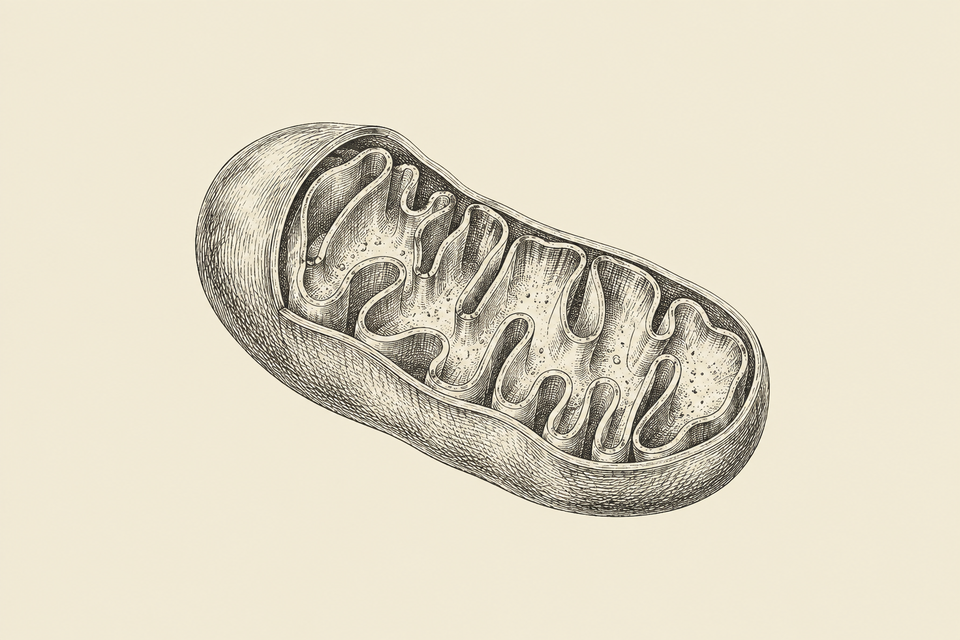
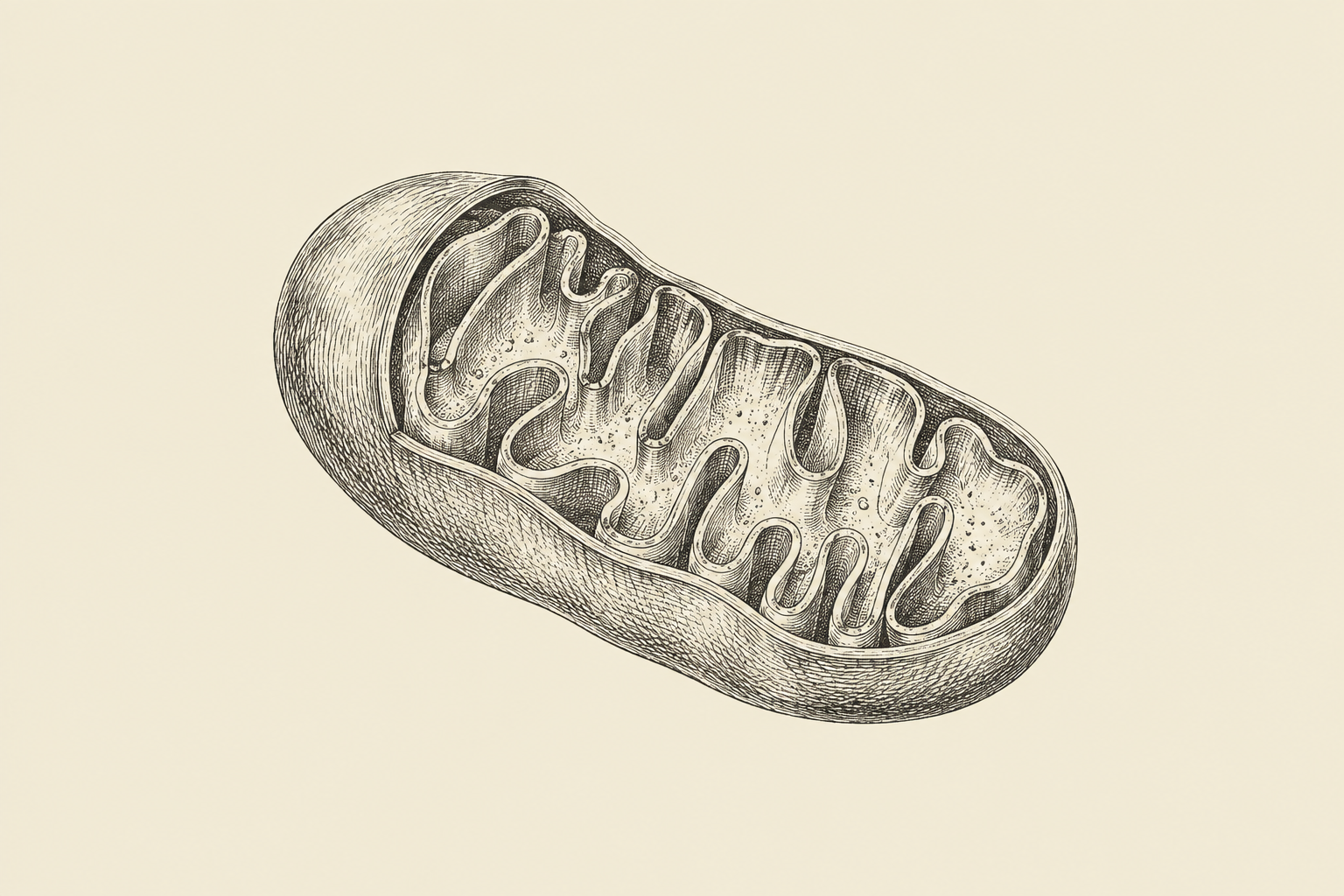
MitoSpace learns mitochondrial phenotypes from raw microscopy, trained without labels on terabytes of 4D lattice light-sheet movies of single cells. Self-supervised means no annotation pass: rather than learning from human-scored morphology categories, the model finds structure in the movies themselves, then surfaces phenotypes hand-scoring missed. The Schöneberg lab posted the work on X under the banner of 4D cell biology. Organelle dynamics have mostly been read out descriptively, through manual gating and representative panels, which is why a learned representation of mitochondrial state changes the unit of measurement rather than just the image quality.

Read the source

Nona's AI model learns heavy-chain-only antibodies
Fig. IIbioRxiv · Filed 16 Sep 2026.
Nº 02 bioRxiv Field report

Nona's AI model learns heavy-chain-only antibodies

Heavy-chain-only antibody model from Nona Biosciences' AI4S team learns both the sequence patterns and the functional grammar of fully human HCAbs, per a new bioRxiv preprint. Foundation model here means one pretrained broadly on antibody sequence and then pointed at specific tasks, rather than a classifier built for a single property. Most protein language models treat antibodies as generic proteins, while heavy-chain-only formats sit under a growing share of bispecific and CAR programs. A format-native model narrows the distance between generative antibody design and the constructs that actually reach development.

Read more
AI-designed viruses expose gaps in biosecurity oversight
Fig. IIIAxios · Filed 16 Sep 2026.
Nº 03 Axios Computational biology

AI-designed viruses expose gaps in biosecurity oversight

AI-designed viruses draw warnings in an Axios report on how little sits between frontier models and dangerous bioscience experiments. The core problem it names is verification, not capability: there's no reliable way to know in advance how a given system will behave, which makes safeguards hard to write and harder to audit. Screening norms for sequence synthesis were built around human intent, so as design moves upstream into models, the debate shifts from who ordered a sequence to what generated it — a question institutional review and synthesis screening will both have to answer.

Read more
Also Filed · Five Briefs from the queue
Nº 04 arXiv Field report

HypoEvolve breeds scientific hypotheses across multiple AI models

Genetic algorithms steer hypothesis search in HypoEvolve, which mutates and selects candidate hypotheses across a team of cooperating LLMs instead of asking one model to brainstorm. Selection pressure, not prompt quality, becomes the control knob for automated discovery.

Read
Nº 05 arXiv Field report

CLEAR tests how medical AI settles conflicting evidence

Conflicting evidence gets adjudicated in CLEAR (Cross-Source Evidence Adjudication), a new arXiv framework for medical models facing sources that disagree. Most clinical question-answering tests assume a single right answer, so this makes source arbitration a measurable property instead of an assumed one.

Read
Nº 06 bioRxiv Field report

REN-former ranks candidate drivers of kidney disease

REN-former ranks kidney-disease regulators by pairing a broadly pretrained single-cell model with human genetics, a bioRxiv preprint reports. Putting learned cell-state representations next to genetic evidence gives candidate prioritization a second, independent filter before anything reaches the bench.

Read
Nº 07 X Field report

Self-driving labs keep humans on the questions

A self-driving-lab thread on X sets the division of labor: humans define the scientific question, the software picks which experiment runs next. That split is fast becoming the standard pitch for autonomous lab platforms, which makes it the claim worth testing.

Read
Nº 08 Hacker News Agents · Infrastructure

egma simulates conversations to test voice agents

Open-source testing rig for voice agents landed on Hacker News: egma runs simulated conversations against a deployed agent to catch failures before users hit them. Voice front ends for clinical intake and trial screening inherit exactly this evaluation gap.

Read

Reply with your discoveries. A human reads them. Forward freely.

Agentic Discovery  ·  Nº 100  ·  16 Sep 2026

Editor's Note

Issue 100: mitochondria get a model, antibodies get a grammar, and biosecurity still lacks guardrails.


Nº 01 · The Lede  —  X  —  Cell biology · Funding

MitoSpace learns mitochondrial states from 4D cell movies

MitoSpace learns mitochondrial states from 4D cell movies

Fig. I  X · Filed 16 Sep 2026.

MitoSpace learns mitochondrial phenotypes from raw microscopy, trained without labels on terabytes of 4D lattice light-sheet movies of single cells. Self-supervised means no annotation pass: rather than learning from human-scored morphology categories, the model finds structure in the movies themselves, then surfaces phenotypes hand-scoring missed. The Schöneberg lab posted the work on X under the banner of 4D cell biology. Organelle dynamics have mostly been read out descriptively, through manual gating and representative panels, which is why a learned representation of mitochondrial state changes the unit of measurement rather than just the image quality.

Read the source →

Why it matters

Label-free representation learning moving from static images to 4D organelle movies raises the ceiling on what a high-content screen can measure — mitochondrial dynamics become a quantity you can score at scale instead of a movie you describe.


Nº 02  —  bioRxiv  —  Field report

Nona's AI model learns heavy-chain-only antibodies

Fig. II  bioRxiv · Filed 16 Sep 2026.

Nona's AI model learns heavy-chain-only antibodies

Heavy-chain-only antibody model from Nona Biosciences' AI4S team learns both the sequence patterns and the functional grammar of fully human HCAbs, per a new bioRxiv preprint. Foundation model here means one pretrained broadly on antibody sequence and then pointed at specific tasks, rather than a classifier built for a single property. Most protein language models treat antibodies as generic proteins, while heavy-chain-only formats sit under a growing share of bispecific and CAR programs. A format-native model narrows the distance between generative antibody design and the constructs that actually reach development.

Read more →


Nº 03  —  Axios  —  Computational biology

AI-designed viruses expose gaps in biosecurity oversight

Fig. III  Axios · Filed 16 Sep 2026.

AI-designed viruses expose gaps in biosecurity oversight

AI-designed viruses draw warnings in an Axios report on how little sits between frontier models and dangerous bioscience experiments. The core problem it names is verification, not capability: there's no reliable way to know in advance how a given system will behave, which makes safeguards hard to write and harder to audit. Screening norms for sequence synthesis were built around human intent, so as design moves upstream into models, the debate shifts from who ordered a sequence to what generated it — a question institutional review and synthesis screening will both have to answer.

Read more →


Also Filed  ·  Five Briefs from the queue

Nº 04  —  arXiv  —  Field report

HypoEvolve breeds scientific hypotheses across multiple AI models

Genetic algorithms steer hypothesis search in HypoEvolve, which mutates and selects candidate hypotheses across a team of cooperating LLMs instead of asking one model to brainstorm. Selection pressure, not prompt quality, becomes the control knob for automated discovery.

Read →

Nº 05  —  arXiv  —  Field report

CLEAR tests how medical AI settles conflicting evidence

Conflicting evidence gets adjudicated in CLEAR (Cross-Source Evidence Adjudication), a new arXiv framework for medical models facing sources that disagree. Most clinical question-answering tests assume a single right answer, so this makes source arbitration a measurable property instead of an assumed one.

Read →

Nº 06  —  bioRxiv  —  Field report

REN-former ranks candidate drivers of kidney disease

REN-former ranks kidney-disease regulators by pairing a broadly pretrained single-cell model with human genetics, a bioRxiv preprint reports. Putting learned cell-state representations next to genetic evidence gives candidate prioritization a second, independent filter before anything reaches the bench.

Read →

Nº 07  —  X  —  Field report

Self-driving labs keep humans on the questions

A self-driving-lab thread on X sets the division of labor: humans define the scientific question, the software picks which experiment runs next. That split is fast becoming the standard pitch for autonomous lab platforms, which makes it the claim worth testing.

Read →

Nº 08  —  Hacker News  —  Agents · Infrastructure

egma simulates conversations to test voice agents

Open-source testing rig for voice agents landed on Hacker News: egma runs simulated conversations against a deployed agent to catch failures before users hit them. Voice front ends for clinical intake and trial screening inherit exactly this evaluation gap.

Read →


· · ·

Reply with your discoveries. A human reads them. Forward freely.