
7 min read

Frontier models move into pharma pipelines

Frontier models move into pharma pipelines
Nº 01 · The Lede Hacker News Drug discovery · Computational

Novo Nordisk adopts Anthropic's Claude for drug discovery

Novo Nordisk adopts Anthropic's Claude for drug discovery
Fig. IHacker News · Filed 17 Sep 2026.

Novo Nordisk will run drug discovery work on Claude, the frontier model family from Anthropic, per a Euronews report picked up on Hacker News. Details are thin, but the shape of the deal matters: one of the world's largest pharmaceutical companies is betting on a general-purpose reasoning model rather than a bespoke biology-specific system. That choice puts general models in direct competition with the purpose-built discovery platforms pharma has been buying for a decade, and it sets a reference point for what a frontier-lab pharma partnership is worth. The open question is whether the work stays in literature synthesis and analysis or reaches target selection and candidate design.
Read the source

Stanford tool turns research papers into working agents
Fig. IIX · Filed 17 Sep 2026.
Nº 02 X Agents · Infrastructure

Stanford tool turns research papers into working agents

Paper2Agent converts papers into working software agents, Stanford researchers report. Feed it a paper and its codebase and it produces a tested agent that reproduces the published results, then runs the same methods on new data. Reproduction has been the field's unglamorous bottleneck — most published pipelines take days to stand up, when they run at all. Turning the published artifact into something executable on demand changes what a methods section is expected to deliver, and moves reuse of published code from aspiration toward default.
Read more
Autonomous lab formulates drugs and cites its evidence
Fig. IIIarXiv · Filed 17 Sep 2026.
Nº 03 arXiv Drug discovery · Computational

Autonomous lab formulates drugs and cites its evidence

An autonomous lab formulates drug products using agents required to ground each decision in cited evidence, according to a new arXiv preprint. The setup pairs literature-grounded reasoning with physical experiments, so a proposed excipient or process parameter arrives attached to the source that justified it and the run that tested it. Formulation has stayed stubbornly manual while target discovery got automated. Building an auditable evidence trail into the loop is what makes closed-loop chemistry defensible to a regulator, not only to a reviewer.

Read more
Also Filed · Five Briefs from the queue
Nº 04 X Field report

Anew Labs links discovery steps into one loop

Anew Labs unveiled AnewDDE , an engine that wires structure prediction, binding affinity, molecular design, and wet-lab feedback into a single loop rather than shipping another standalone model. Integration between steps, not a better model at any one step, is increasingly what discovery platforms compete on.

Read
Nº 05 arXiv Agents · Infrastructure

Rare-disease agent asks for the symptoms it needs

A rare-disease agent asks for the phenotypes it is missing: HPOQuest chooses which Human Phenotype Ontology terms to acquire next instead of scoring a fixed feature list. Active questioning moves diagnostic agents closer to how a clinical workup actually proceeds.

Read
Nº 06 Hacker News Field report

Montana builds its own path for experimental treatments

Montana's new biotech law draws an inside account on Hacker News from a participant, describing how the state assembled its own access pathway for experimental treatments. Where a therapy can legally reach patients is becoming a planning variable in translation rather than a fixed constraint.

Read
Nº 07 bioRxiv Cell biology · Funding

Small models split up single-cell annotation work

scACORN routes single-cell tasks to a set of specialized small language models under one orchestrator, rather than pushing every transcriptomic interpretation question through a single large model. Cheap specialist ensembles are a plausible answer to the cost of running frontier models over scRNA-seq at scale.

Read
Nº 08 bioRxiv Agents · Infrastructure

Agents design primers for qPCR and LAMP tests

Cooperating agents design primers for qPCR and LAMP diagnostics, splitting specificity checks, thermodynamics, and candidate selection across separate roles. Assay design joins the list of routine molecular work now getting the same agent treatment being applied upstream in discovery.

Read

Reply with your discoveries. A human reads them. Forward freely.

Agentic Discovery  ·  Nº 101  ·  17 Sep 2026

Editor's Note

Big pharma picks its model, Stanford makes papers executable, and a formulation lab runs itself.


Nº 01 · The Lede  —  Hacker News  —  Drug discovery · Computational

Novo Nordisk adopts Anthropic's Claude for drug discovery

Novo Nordisk adopts Anthropic's Claude for drug discovery

Fig. I  Hacker News · Filed 17 Sep 2026.

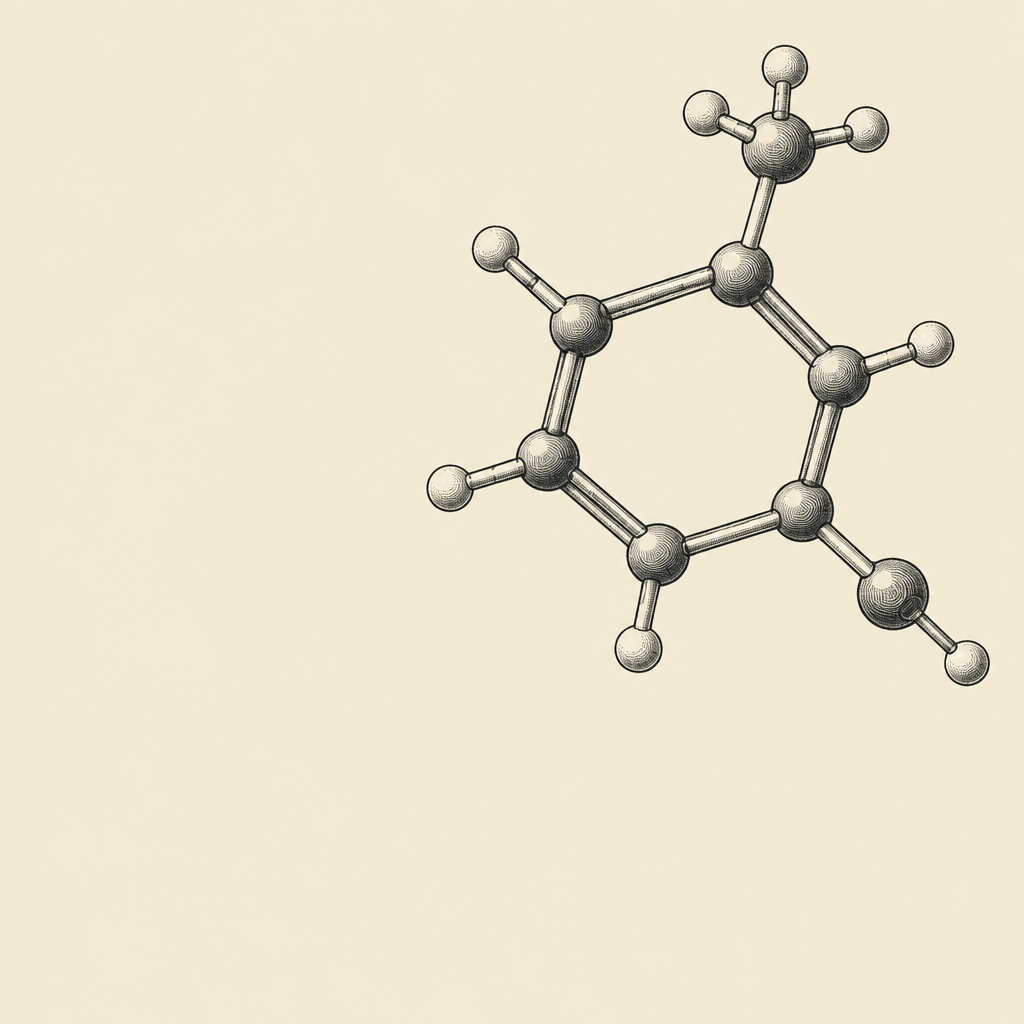
Novo Nordisk will run drug discovery work on Claude, the frontier model family from Anthropic, per a Euronews report picked up on Hacker News. Details are thin, but the shape of the deal matters: one of the world's largest pharmaceutical companies is betting on a general-purpose reasoning model rather than a bespoke biology-specific system. That choice puts general models in direct competition with the purpose-built discovery platforms pharma has been buying for a decade, and it sets a reference point for what a frontier-lab pharma partnership is worth. The open question is whether the work stays in literature synthesis and analysis or reaches target selection and candidate design.

Read the source →

Why it matters

The buy-versus-build question in pharma AI now has a third answer, renting a general model, and every discovery-platform vendor has to explain what their system does that Claude cannot.


Nº 02  —  X  —  Agents · Infrastructure

Stanford tool turns research papers into working agents

Fig. II  X · Filed 17 Sep 2026.

Stanford tool turns research papers into working agents

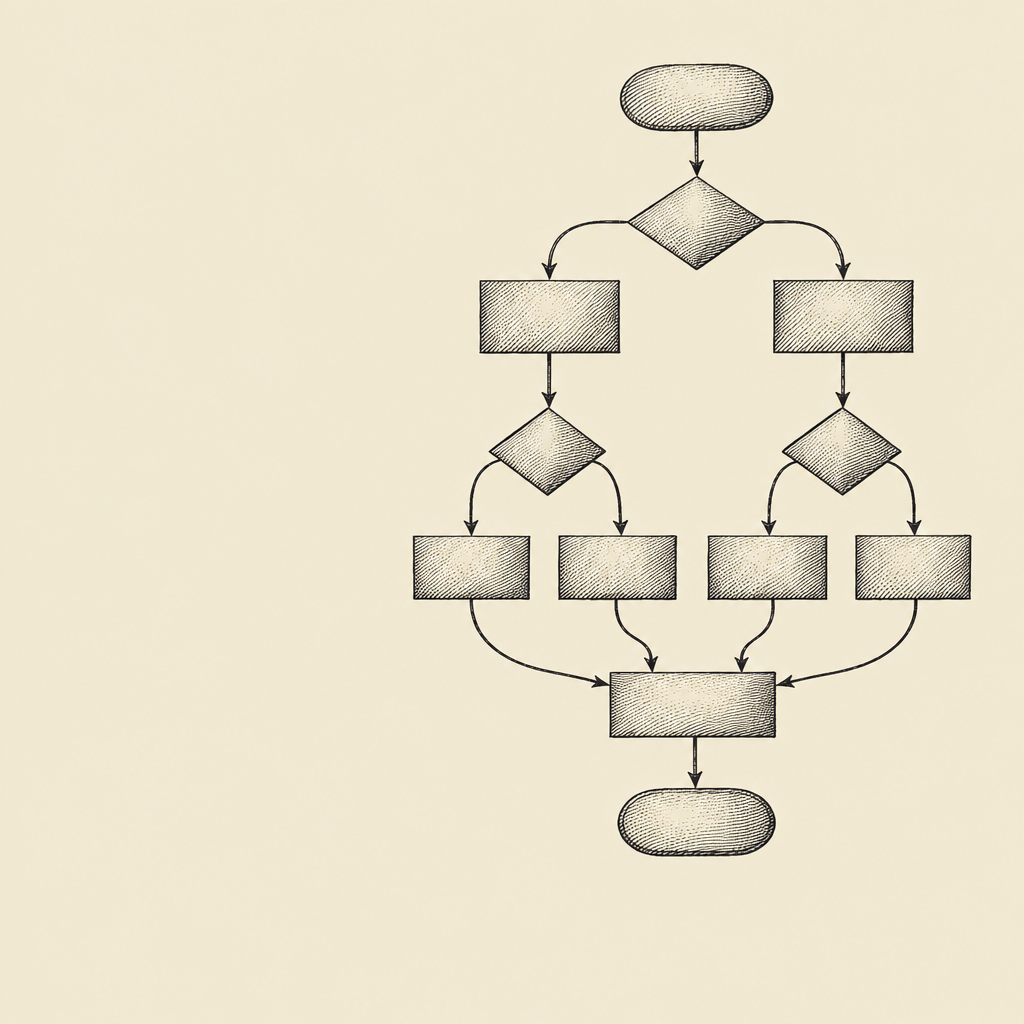
Paper2Agent converts papers into working software agents, Stanford researchers report. Feed it a paper and its codebase and it produces a tested agent that reproduces the published results, then runs the same methods on new data. Reproduction has been the field's unglamorous bottleneck — most published pipelines take days to stand up, when they run at all. Turning the published artifact into something executable on demand changes what a methods section is expected to deliver, and moves reuse of published code from aspiration toward default.

Read more →


Nº 03  —  arXiv  —  Drug discovery · Computational

Autonomous lab formulates drugs and cites its evidence

Fig. III  arXiv · Filed 17 Sep 2026.

Autonomous lab formulates drugs and cites its evidence

An autonomous lab formulates drug products using agents required to ground each decision in cited evidence, according to a new arXiv preprint. The setup pairs literature-grounded reasoning with physical experiments, so a proposed excipient or process parameter arrives attached to the source that justified it and the run that tested it. Formulation has stayed stubbornly manual while target discovery got automated. Building an auditable evidence trail into the loop is what makes closed-loop chemistry defensible to a regulator, not only to a reviewer.

Read more →


Also Filed  ·  Five Briefs from the queue

Nº 04  —  X  —  Field report

Anew Labs links discovery steps into one loop

Anew Labs unveiled AnewDDE , an engine that wires structure prediction, binding affinity, molecular design, and wet-lab feedback into a single loop rather than shipping another standalone model. Integration between steps, not a better model at any one step, is increasingly what discovery platforms compete on.

Read →

Nº 05  —  arXiv  —  Agents · Infrastructure

Rare-disease agent asks for the symptoms it needs

A rare-disease agent asks for the phenotypes it is missing: HPOQuest chooses which Human Phenotype Ontology terms to acquire next instead of scoring a fixed feature list. Active questioning moves diagnostic agents closer to how a clinical workup actually proceeds.

Read →

Nº 06  —  Hacker News  —  Field report

Montana builds its own path for experimental treatments

Montana's new biotech law draws an inside account on Hacker News from a participant, describing how the state assembled its own access pathway for experimental treatments. Where a therapy can legally reach patients is becoming a planning variable in translation rather than a fixed constraint.

Read →

Nº 07  —  bioRxiv  —  Cell biology · Funding

Small models split up single-cell annotation work

scACORN routes single-cell tasks to a set of specialized small language models under one orchestrator, rather than pushing every transcriptomic interpretation question through a single large model. Cheap specialist ensembles are a plausible answer to the cost of running frontier models over scRNA-seq at scale.

Read →

Nº 08  —  bioRxiv  —  Agents · Infrastructure

Agents design primers for qPCR and LAMP tests

Cooperating agents design primers for qPCR and LAMP diagnostics, splitting specificity checks, thermodynamics, and candidate selection across separate roles. Assay design joins the list of routine molecular work now getting the same agent treatment being applied upstream in discovery.

Read →


· · ·

Reply with your discoveries. A human reads them. Forward freely.